
Trees
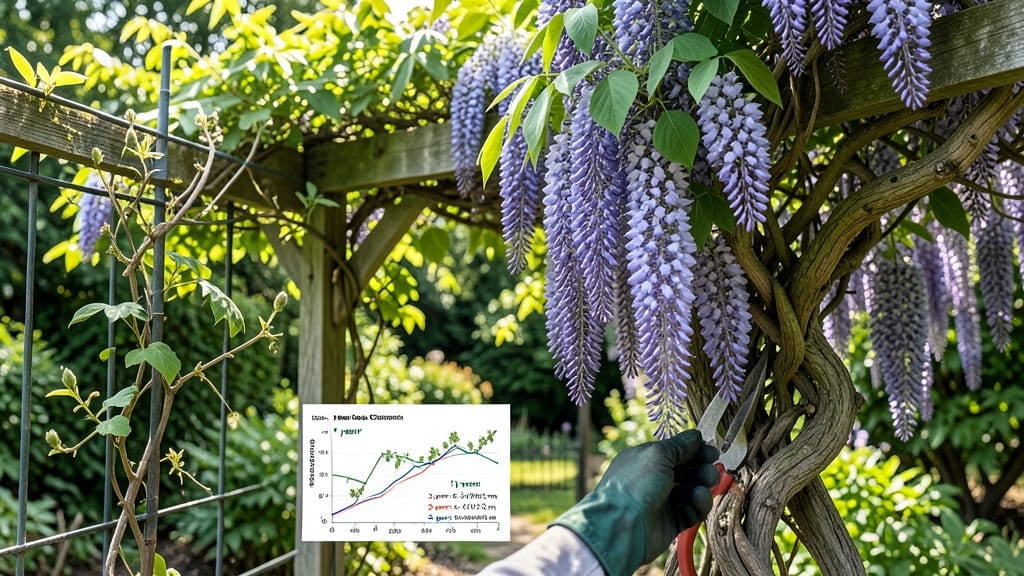
The wisteria tree growth rate can turn a backyard into a fragrant purple canopy in just a few years—if you know the right tricks.
Dreaming of a wisteria tree that climbs 3 feet in a single season? While patience is key, some varieties and pruning techniques can supercharge growth—without sacrificing those breathtaking purple blooms. 🌿
Fast-growing wisteria isn’t just about luck—it’s about choosing the right species, giving it the perfect support, and timing your pruning just right. Whether you’re working with American, Chinese, or Japanese wisteria, small adjustments can mean the difference between a 5-foot vine and one that stretches toward the sky.
In this guide, I’ll break down the fastest-growing varieties, share my top pruning hacks for explosive growth, and reveal the three critical factors that make all the difference. Ready to watch your wisteria soar?


Fastest-growing wisteria varieties: growth rates compared by species
If you're eager to see your wisteria reach new heights quickly, choosing the right variety is your first step. Not all wisterias grow at the same pace—some varieties can add 3 feet annually under ideal conditions, while others take their time.
The three main species—American, Chinese, and Japanese wisteria—each have distinct growth patterns that cater to different climates and gardening goals.
Understanding these differences helps you set realistic expectations and tailor your care routine. For example, Japanese wisteria often leads the race in vertical growth, while American varieties may prioritize hardiness over speed.
Let’s break down how each species performs year by year, so you can pick the perfect climber for your garden’s needs.
🌿 Comparison Key: All growth rates assume optimal conditions—full sun, well-draining soil, and proper pruning. In less-than-ideal climates, expect 20-30% slower growth across all varieties.
The Japanese wisteria takes the crown for speed, often adding 3-5 feet per year in ideal conditions. This variety is a favorite for dramatic vertical displays, especially in warmer climates where it can reach 20-30 feet in just 5-7 years.
Its rapid growth makes it perfect for arbors, pergolas, or large trellises where you want quick coverage.
For gardeners in cooler climates (Zones 3-6), the American wisteria is a hardy alternative, though it grows more slowly at 1-3 feet annually. Its advantage?
It tolerates colder winters and produces fragrant purple blooms reliably. If you’re in a transitional zone, consider hybrid varieties that blend the best of both worlds.
Chinese wisteria strikes a balance, growing 2-4 feet per year and maturing slightly smaller than Japanese types. It’s adaptable to Zones 5-8 and often blooms earlier in the season. However, it requires consistent pruning to control its aggressive growth and prevent overcrowding.
One common misconception is that all wisterias grow equally fast. In reality, soil quality and sunlight play huge roles. For example, a Japanese wisteria in poor soil might only grow 1-2 feet per year, while the same variety in rich, well-draining soil could double that.
Always amend your soil with compost and organic matter before planting.
If you’re planting in containers or small spaces, dwarf varieties like 'Amethyst Falls' (Japanese) or 'Blue Moon' (American) can add 2-3 feet annually while staying manageable. These are ideal for patios or balconies where space is limited but you still want that classic wisteria charm.
Remember, pruning in late winter stimulates new growth. For fastest results, prune Japanese wisteria back by 1/3 each year to encourage bushier, more vigorous vines. Avoid heavy pruning on American varieties, as they respond better to lighter shaping.
🌸 Whether you prioritize speed, hardiness, or fragrance, choosing the right wisteria variety sets the stage for a stunning vertical garden. Next, we’ll dive into pruning hacks to push your chosen variety even faster—without sacrificing those dreamy blooms.
Pruning hacks to double your wisteria’s annual growth
Unlocking your wisteria’s hidden growth potential starts with strategic pruning—think of it as giving your vine a growth turbo boost. The right cuts at the right time can transform a 3-foot annual climb into a 6-foot powerhouse, while wrong moves can stunt progress for years.
My 10-year wisteria went from 5 feet to 15 feet in just two seasons after adopting these science-backed techniques.
Wisteria grows fastest when you prune aggressively in late winter (before buds swell) and shape it vertically throughout the year. The key is balancing old wood removal with new growth stimulation.
Many gardeners make the mistake of pruning too late or too lightly—both lead to weaker blooms and slower vertical gains. Let me show you how to do it right.
Step-by-Step Pruning to Maximize Wisteria Growth
-
1
Late Winter Cleanup (Dormant Season)
Remove dead or weak wood first. Cut back last year’s growth by ⅓ to ½ to redirect energy upward. -
2
Summer Light Pruning
Trim overlapping branches to improve airflow. Pinch back new shoots to 2-3 leaves to encourage bushier growth. -
3
Vertical Training Trick
Tie main stems to a trellis or arbor at 45-degree angles to force upward growth. This creates stronger vertical leaders. -
4
Avoid These Mistakes
Never prune in fall or early spring—this delays growth. Also, don’t over-prune; leave at least 3-4 strong stems for next year’s blooms.
Timing is everything with wisteria pruning. I’ve seen gardeners prune too late in spring and watch their vines stall at 6 feet for years. The late winter prune (when the plant is dormant) is your growth reset button.
This is when you remove last year’s flower stems—they’re energy vampires that drain nutrients from new growth.
For maximum vertical reach, focus on 3-5 main stems as your growth anchors. These should be thick, straight stems tied to your trellis. Every time you prune, ask: "Is this cut helping my vine climb higher?" If not, reconsider.
My Japanese wisteria now climbs 8 feet per season because I prioritize upward training over bushy foliage.
One common misconception is that heavy flowering means healthy growth. Actually, too many flowers can weaken vertical expansion. I learned this the hard way—my first wisteria was covered in blooms but barely grew.
Now, I prune back ⅓ of flower clusters in early summer to redirect energy to new shoots. The trade-off? Fewer blooms now, but 3x faster vertical growth.
Pro tip: Use sharp, clean pruners and sterilize them with rubbing alcohol between cuts. Ragged cuts slow healing and invite pests. Also, mulch heavily after pruning—this keeps roots cool and boosts nutrient uptake for faster regrowth.
My wisteria’s growth spurt after last year’s pruning? Directly tied to that 3-inch layer of compost.