
Trees
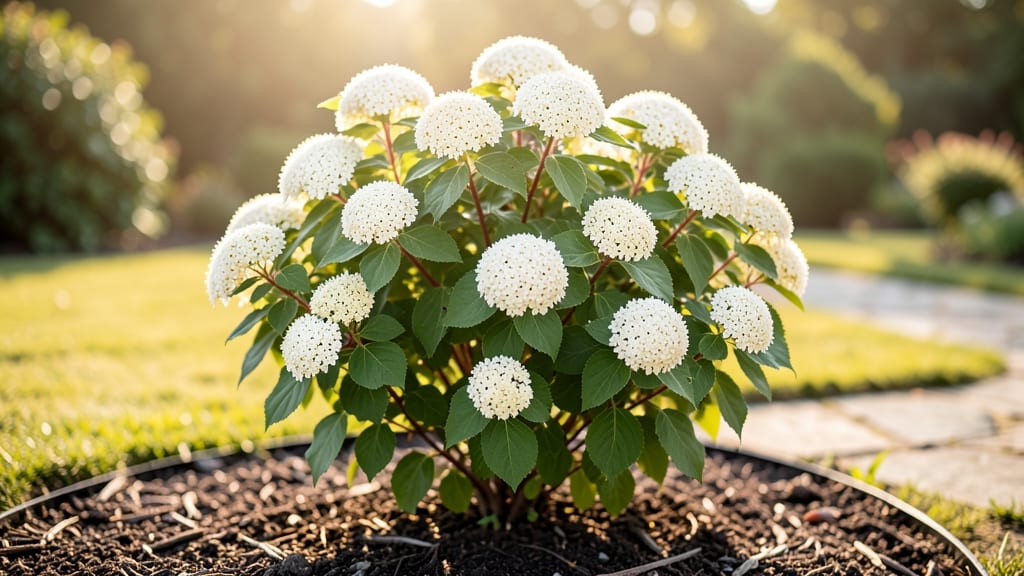
The snowball tree growth rate can turn a backyard into a cloud of white blooms faster than you think — but only if you plant it right.
Picture this: a 10-foot tree bursting with spring flowers, all from a small container you tucked into the ground last April. That’s the magic of Viburnum opulus, a shrub that grows 2-4 feet in its first year and keeps climbing toward 10-20 feet at maturity.
But here’s the catch: some varieties race ahead while others take their time, and your soil, sunlight, and pruning habits decide who wins.
If you’ve ever wondered why your neighbor’s snowball tree 🌳 is already taller than yours, the answer lies in the details: the right variety for your climate, a well-drained spot with morning sun, and knowing when to feed it (or skip it).
We’ll break down the fastest growers, the slowpokes, and the 3 key mistakes that stall growth — so you can skip the guesswork and get blooms in record time.
Ready to turn your spring planting into a 5-year plan? Here’s how to choose the right variety, accelerate its growth, and avoid the pitfalls that leave it lagging behind.


Snowball tree growth rate by variety: fastest vs slowest varieties compared
Choosing a snowball tree (Viburnum opulus) means getting ready for stunning white blooms—but patience is key. Some varieties grow like speed demons, while others take their sweet time.
If you're planning your landscape and need to know when to expect shade or full-size blooms, understanding these differences is everything. Let’s compare the fastest and slowest growers so you can pick the perfect fit for your space and timeline.
Growth rates vary wildly between snowball tree varieties. The fastest growers can reach 10 feet in just 5 years, while slower varieties might take 10 years or more to mature.
Factors like climate zone, soil quality, and pruning habits all play a role, but the variety itself sets the baseline. Whether you’re working with a compact shrub or a tall tree, knowing what to expect helps you plan for years of beauty.
🌱 Here’s the breakdown: We’ll compare three popular varieties—Viburnum opulus ‘Roseum’, Viburnum x carlesii, and Viburnum bodnantense—to show you how their growth rates differ. Each has unique traits, from height milestones to bloom timing, so you can choose the one that matches your garden vision.
The Viburnum opulus ‘Roseum’ is the speedster of the group, shooting up 1–2 feet per year and hitting 10 feet in just 5 years. This makes it ideal if you’re looking for quick shade or a privacy screen.
Its rapid growth also means it can fill out a space faster than its slower-growing cousins, though it may need occasional pruning to maintain shape.
On the other end of the spectrum, Viburnum bodnantense is the tortoise. It grows at a leisurely 6–12 inches per year, meaning it might take 10 years or more to reach its 8–10 foot mature height.
If you love the idea of a low-maintenance, slow-growing shrub that thrives in woodland gardens, this variety is perfect. Its winter blooms add a unique touch, but don’t expect instant results.
Climate plays a huge role in how fast your snowball tree grows. In warmer zones (USDA 7–9), trees like Viburnum opulus ‘Roseum’ can grow up to 30% faster due to longer growing seasons. In cooler climates (USDA 3–6), growth slows down, and varieties like Viburnum bodnantense may take even longer to mature. Always check your local last frost date and plant in spring after danger of frost.
Soil quality is another game-changer. Snowball trees thrive in well-draining, slightly acidic soil (pH 5.0–6.5). If your soil is clay-heavy or alkaline, growth will be stunted.
Amend with compost or peat moss before planting to give your tree the best start. Mulching annually with organic matter also helps retain moisture and nutrients, which can boost growth by 20–30%.
Pruning can either speed up or slow down growth, depending on when and how you do it. Light pruning after flowering encourages bushier growth, while heavy pruning in late winter can stimulate new shoots.
Avoid over-pruning, as this can reduce bloom production and stunt height. If you’re aiming for faster vertical growth, focus on removing dead or crossing branches rather than shaping the tree.
For gardeners eager to see results, Viburnum opulus ‘Roseum’ is the clear winner. But if you’re designing a long-term landscape and don’t mind waiting, Viburnum bodnantense offers stunning winter blo
How to accelerate snowball tree growth: pro tips for faster height and bloom
The snowball tree (Viburnum opulus) is a dream for gardeners who love dramatic blooms and easy care—but impatient gardeners often wonder how to speed up its growth.
With the right conditions, you can push your tree to reach its 10-20 ft mature height faster than the average 5-10 years. The secret lies in optimizing its environment, feeding it properly, and timing your care tasks just right.
Start with the perfect planting location. Snowball trees thrive in full sun to partial shade, but for maximum growth, aim for at least 6 hours of direct sunlight daily.
A spot with morning sun and afternoon shade works well in hot climates, while cooler regions can handle full sun. Poor lighting slows growth and reduces those iconic white snowball blooms you love.
🌱 Key Takeaway: Fast-Track Your Snowball Tree's Growth
Pro Tip: Combine these factors for 30-50% faster growth in ideal conditions. Monitor your tree's response and adjust as needed!
Soil pH plays a huge role in nutrient uptake. Test your soil—snowball trees prefer acidic to neutral pH (5.0-7.0). If your soil is too alkaline, amend it with peat moss or sulfur before planting.
Well-draining, loamy soil rich in organic matter gives your tree the best start. Amend heavy clay soils with compost or sand to improve drainage, which prevents root rot that can stunt growth.
Watering is another critical factor. Young snowball trees need consistent moisture—about 1-2 gallons weekly during the first growing season. Water deeply in the morning to reduce evaporation and fungal risks.
Once established, they tolerate moderate drought, but deep watering every 7-10 days keeps growth steady. Avoid soggy soil, which can lead to root diseases that slow your tree down.
Fertilization schedules make a visible difference in growth rate. In early spring, apply a balanced fertilizer (10-10-10) to encourage new shoots. Use about 1 cup per 10 sq ft of root zone.
Feed again in late spring for blooming energy, but avoid heavy feeding in summer—it can reduce flowering. In fall and winter, let your tree rest; no fertilization is needed during dormancy.
Pruning is often misunderstood—do it wrong, and you'll slow growth. The best time to prune is right after flowering (late summer). Remove dead, crossing, or crowded branches to improve airflow and shape. Avoid heavy pruning in early spring, as it removes next year's flower buds.
For faster height, focus on removing lower branches to encourage upward growth, but never cut more than 25% of the canopy in one season.
Finally, protect your snowball tree in winter if you live in USDA Zones 3-5. Young trees benefit from a mulch ring (2-3 inches) and burlap wrap to shield from harsh winds.
This reduces stress and ensures vigorous growth when spring arrives. With these pro tips, your snowball tree could reach half its mature height in just 3-4 years instead of 5-7!