
Pruning
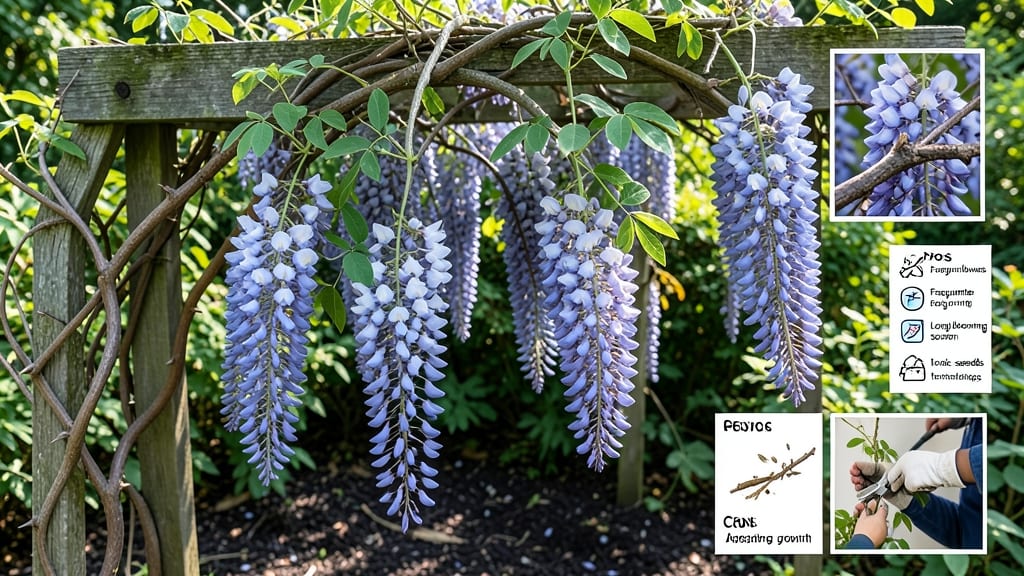
The blue Chinese wisteria tree offers stunning pros and cons that every gardener should weigh before planting. Its dramatic purple blooms come with serious trade-offs. 🌿 I planted mine three years ago—now it climbs my pergola like a living waterfall, but the pruning alone takes full days twice a year.
The fragrance? Unmatched. The maintenance? A full-time job for some gardeners.
This vine thrives in zones 5-9, where it can reach 30+ feet if unchecked, making it perfect for trellises or arbors—but its aggressive growth means it’ll smother smaller plants if left unpruned.
The flowers arrive in late spring, creating a breathtaking canopy, but they drop messily, leaving a carpet of seed pods that can sprout unwanted volunteers.
What you’ll love: the vibrant color, intoxicating scent, and rapid growth that transforms bare structures into living art. What you’ll hate: the relentless pruning, potential invasiveness, and toxic seeds that can harm pets or kids. Even experienced gardeners call it a "beautiful beast" that demands respect.
If you’re up for the work, it’s a showstopper. If not, consider a less demanding wisteria variety—or save this one for a dedicated trellis where it can’t escape. Here’s how to tame it before it tames you.
The first product explained
Meet the Blue Chinese Wisteria (Wisteria sinensis 'Amethyst Falls')—a stunning, fast-growing vine that brings bursts of vibrant purple-blue blooms to gardens, trellises, and pergolas! 🌸✨ This cultivar is a standout in the wisteria family, prized for its longer bloom season and disease-resistant traits compared to traditional varieties. Whether you're a seasoned gardener or a beginner eager to add drama to your outdoor space, this wisteria is a showstopper—but it comes with a few quirks to consider.
🌿 Key Specs & Features
- Growth Rate: Fast-growing—expect 10-15 feet per year with ideal care! (Yes, it’s a vine that needs space.)
- Mature Size: 20-30 feet tall (or longer if left unpruned) with a 10-15 foot spread when trained on a trellis or arbor.
- Bloom Time: Late spring to early summer (longer than many wisteria varieties, with reliable reblooming if pruned correctly).
- Flower Color: Rich, deep blue-purple clusters (up to 12 inches long) that perfume the air with a sweet, intoxicating fragrance.
- Foliage: Dark green, semi-evergreen (depending on climate), with glossy leaves that add year-round interest.
- Hardiness Zones: 5-9 (thrives in USDA zones with cold winters and hot summers).
- Sunlight Needs: Full sun (6+ hours daily) for optimal blooms.
- Soil Preferences: Well-draining, slightly acidic to neutral soil (avoid soggy roots!).
🎯 Who’s It For?
This wisteria is perfect for:
- 🏡 Homeowners with space for a climbing vine (think pergolas, fences, or sturdy trees).
- 🌿 Gardeners seeking drama—its bold blooms and fragrance make it a conversation piece.
- 🐝 Pollinator lovers—wisteria attracts bees and butterflies like a magnet!
- 💪 Intermediate gardeners willing to commit to pruning (it’s not for the faint of heart!).
💰 Price Point & Where to Buy
The Blue Chinese Wisteria isn’t your average nursery plant—it’s a specialty vine with a higher price tag due to its popularity and growth habits. Here’s what to expect:
- Young Plants (1-3 years old): $50–$150 per plant (often sold as bare-root or potted).
- Mature Specimens (5+ years): $200–$500+ (if available at nurseries or online).
- Where to Shop:
- 🌱 Online: Fast-Growing-Trees.com, Nature Hills Nursery, or Etsy (for rare varieties).
- 🏺 Local Nurseries: Specialty or arboretum-focused gardens (call ahead—stock varies!).
Pro Tip: 💡 Buy from reputable sellers—this vine can be sold as "wisteria" without specifying the type, so ask for 'Wisteria sinensis 'Amethyst Falls' to ensure you get the blue blooms you’re dreaming of!
The second product explained
Meet the Wisteria floribunda—the Japanese Blue Wisteria, a stunning cousin to the Chinese variety that brings even more drama to your garden! 🌸✨ While it shares the same breathtaking cascades of blue-violet blooms, this variety is prized for its earlier spring flowering and slightly more manageable growth habits. Let’s dive into what makes this vine a showstopper (and whether it’s the right fit for your space).
🌿 Key Specs & Features
If you’re dreaming of a fast-growing vine with gorgeous, fragrant flowers, the Wisteria floribunda delivers—but with a few twists. Here’s what you need to know:
- Growth Rate: Aggressive but slightly slower than Chinese wisteria (3–5 feet per year). Still, expect it to climb 30–50 feet if left unchecked!
- Flower Color: Classic blue-violet blooms, often in long, pendulous clusters (up to 12 inches!).
- Fragrance: Heavily sweet-scented—a magnet for bees and butterflies! 🐝
- Hardiness: Thrives in USDA Zones 5–9, making it versatile for most U.S. climates.
- Light Needs: Full sun (6+ hours daily) for optimal blooming.
- Soil Preference: Well-draining, slightly acidic to neutral soil. Tolerates clay but hates waterlogged roots.
🎯 Who’s It For?
This beauty is a dream for gardeners who love:
- 🌿 Vertical gardens—perfect for trellises, arbors, or pergolas.
- 🎨 Romantic, cottage-style landscapes (think fairy-tale vibes!).
- 🐝 Pollinator-friendly gardens—bees and hummingbirds adore it!
- 🌸 Early spring color (blooms 2–3 weeks earlier than Chinese wisteria).
⚠️ But be warned: It’s not for small yards or those who dislike regular pruning. This vine demands training and maintenance to stay in check!
💰 Price Point & Availability
Ready to bring home a Wisteria floribunda? Here’s the scoop on costs:
| Form | Price Range | Where to Buy |
|---|---|---|
| Young plant (1–3 gallons) | $40–$80 | Local nurseries, Etsy, or Fast-Growing-Trees.com |
| Mature plant (5+ gallons) | $100–$250+ | Specialty growers, Arbor Day Foundation |
| Grafted varieties (e.g., 'Amethyst Falls') | $120–$300 | Online plant shops, Plant catalogs |
💡 Pro Tip: Buy from reputable nurseries to avoid wisteria wilt (a fungal disease). Always check for healthy, disease-free roots!
Head-to-head comparison
Curious about how the Blue Chinese Wisteria stacks up against other popular wisteria varieties—or even against alternatives like climbing roses or clematis? Let’s break it down in a side-by-side comparison that highlights what makes this vine stand out (or fall short) in key areas.
Whether you’re a gardener weighing options or a homeowner planning a vertical garden, this breakdown will help you decide if the blue-tinged beauty is the right fit for your space. 🌿✨
🌱 Growth Performance: Speed vs. Control
The Blue Chinese Wisteria is famous for its rapid growth, but that speed comes with trade-offs. Here’s how it compares to other fast-growing vines and slower, more manageable options:
| Metric | Blue Chinese Wisteria | Japanese Wisteria | Climbing Roses | Clematis |
|---|---|---|---|---|
| Growth Rate | ⚡ Very fast (10–20 ft/year with ideal care) | ⚡ Fast (8–15 ft/year, slightly slower than Blue) | 🐢 Moderate (3–8 ft/year, depends on variety) | 🐢 Moderate to Fast (5–12 ft/year, varies by species) |
| Mature Size | 🏗️ Large (30–50+ ft long, aggressive spread) | 🏗️ Large (20–40 ft, slightly less aggressive) | 🏠 Medium (10–20 ft, compact varieties available) | 🏠 Medium (6–15 ft, depends on pruning) |
| Pruning Demand | ⚠️ High (requires annual heavy pruning to control growth and shape) | ⚠️ High (similar demands, but slightly less vigorous) | ✂️ Moderate (seasonal pruning for blooms and shape) | ✂️ Moderate to High (depends on variety; some need deadheading) |
| Invasiveness | 🚨 Very High (can smother nearby plants and damage structures if unchecked) | 🚨 High (less aggressive than Blue but still risky) | 🟢 Low to Moderate (stays on trellises if trained properly) | 🟢 Low (non-invasive, stays contained with pruning) |
Pro Tip: 💡 If you love the Blue Chinese Wisteria’s dramatic blooms but hate the hassle, consider dwarf varieties or container training to tame its wild side. Just be prepared for regular pruning—this isn’t a "plant and forget" vine!
🌸 Blooms & Aesthetics: Beauty with a Blue Twist
The Blue Chinese Wisteria’s vibrant lavender-blue flowers are its star feature, but how do they compare to other show-stopping vines? Let’s dive into color, fragrance, and seasonal impact:
| Metric | Blue Chinese Wisteria | Japanese Wisteria (e.g., 'Amethyst Falls') | Climbing Roses (e.g., 'New Dawn') | Clematis (e.g., 'Jackmanii') |
|---|---|---|---|---|
| Flower Color | 💜 Deep lavender-blue (unique and striking) | 💜 Purple-blue to white (varies by cultivar) | 🌹 Pink, red, white, or yellow (wide variety) | 💮 Purple, pink, white, or blue (depends on species) |
| Fragrance | 👃 Mildly sweet, pleasant (not overpowering) | 👃 Strongly sweet, intoxicating (highly fragrant) | 🌸 Variable (many are highly fragrant; some are scentless) | 🌸 Mild to moderate (some varieties are fragrant) |
| Bloom Season | 🌸 Spring (late April–May) (short but spectacular) | 🌸 Spring (April–June) (longer bloom time) | 🌹 Spring to Fall (continuous blooms with care) | 💮 Spring to Fall (some rebloom if deadheaded) |
| Foliage Appeal | 🍃 Dark green, glossy (attractive but not a focal point) | 🍃 Dark green, lush (similar to Blue) | 🌿 Highly variable (some have ornamental leaves) | 🌿 Decorative (some have silvery or variegated leaves) |
| Seasonal Interest | ❄️ Moderate (loses leaves in winter; no winter interest) | ❄️ Moderate (similar to Blue) | 🍂 High (some roses have fall color or hip fruit) | ❄️ Low (mostly dormant in winter) |
Pro Tip: 🎯 If you want year-round color, pair the Blue Chinese Wisteria with evergreen climbers like Ivy or Star Jasmine to fill gaps when it’s dormant. For longer bloom times, clematis or repeat-blooming roses might be better choices.
💰 Cost & Maintenance: Investment vs.
Which one should you choose?
So, is the blue Chinese wisteria (Wisteria sinensis) the right choice for your garden? The answer depends on your priorities, patience, and willingness to tackle its quirks. Here’s a clear verdict and recommendation to help you decide:
✅ Best For:
- Patience and Vision: If you love dramatic, long-term transformations and don’t mind waiting 3–5 years for full blooms, this vine is a showstopper. 🌸 Its cascading blue-purple flowers in spring are unmatched!
- Vertical Spaces: Perfect for pergolas, trellises, or arbors where you want a romantic, vine-covered backdrop. Think fairy-tale gardens!
- Low-Maintenance (After Establishment): Once mature, it thrives with minimal care—just prune aggressively and enjoy the rewards.
- Climate Compatibility: Ideal for USDA Zones 5–9 (cold-hardy but needs winter protection in colder areas).
⚠️ Think Twice If:
- You Crave Instant Gratification: This isn’t a "plant and forget" vine. Early years require daily pruning to manage aggressive growth. ⏳
- Space is Limited: Its sprawling habit (30+ feet!) demands strong support structures and plenty of room to roam.
- You Dislike Mess: Dropped flowers, seed pods, and self-seeding can turn your garden into a wisteria jungle if unchecked.
- Local Regulations Exist: Some areas ban wisteria due to its invasive tendencies. Check before planting! 📜
🌿 Final Recommendation:
For the right gardener, the blue Chinese wisteria is a dream vine—but it’s not a "set it and forget it" plant. Here’s how to decide:
| Scenario | Verdict | Action |
|---|---|---|
| You have space, time, and a trellis. | ✅ Go for it! | Plant in full sun, prune like a pro, and enjoy the spectacular blooms. |
| You want low-maintenance beauty. | ❌ Skip it. | Try Japanese wisteria (Wisteria floribunda) or clematis for easier care. |
| You’re in a small yard or urban area. | ⚠️ Proceed with caution. | Consider container growing (with heavy-duty pots) or opt for dwarf varieties. |
| You love challenges and romance. | 💖 Perfect match! | Invest in training tools, study pruning techniques, and prepare for a lifetime of beauty. |
Pro Tip: 💡 If you’re still unsure, start with a small cutting in a pot to test its growth habits before committing to a full garden installation!