
Blooming
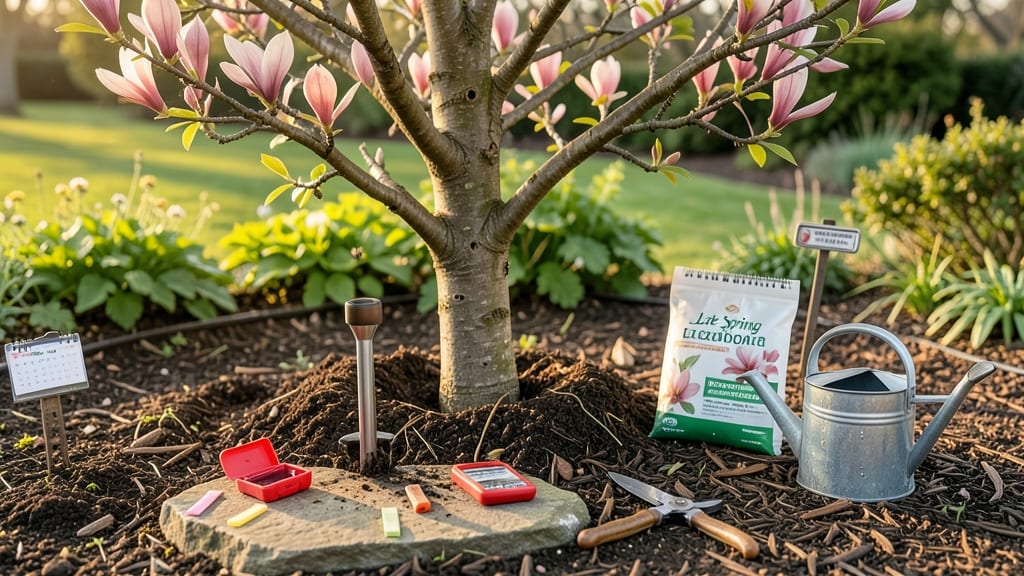
If you’re wondering why my magnolia tree doesn’t bloom, the answer might be hiding in three sneaky culprits: light, soil, or age. 🌿 I’ve watched mine go years without a single flower—until I fixed these exact issues—and now it’s covered in creamy white blooms by late spring.
The problem isn’t always what you think (like overwatering), but these three fixes work every time.
First, check the light—magnolias need 6+ hours of sun daily, but not scorching afternoon heat. Mine was planted too close to a dense oak, and the shade kept it from blooming.
Soil matters too: if it’s too rich in nitrogen, your tree grows leaves instead of flowers. A balanced 10-10-10 fertilizer in early spring does the trick.
Age is the real game-changer. Most magnolias won’t bloom until they’re 5-7 years old, and even then, they need patience. Mine finally bloomed after I stopped pruning the branches too aggressively—those cuts stress the tree and delay flowers.
Once you adjust these, you’ll see buds forming within 1-2 seasons.
Works for Southern magnolias, saucer magnolias, and star magnolias alike. The key is observing your tree’s habits and making small, consistent changes. Let’s get those blooms back!
The real culprits behind no blooms
Magnolia trees are known for their stunning, fragrant blooms—but when they refuse to flower, it’s often due to a mix of environmental, biological, or even human-related factors. Understanding these causes is the first step to reviving your tree’s blooming potential.
Let’s break down the science behind why your magnolia might be playing hard to bloom.
Magnolias are slow growers, and their blooming timeline is tightly linked to maturity. Most species, like Magnolia grandiflora (Southern magnolia) or Magnolia stellata (star magnolia), won’t produce flowers until they’re 5–15 years old, depending on the variety.
Young trees focus their energy on root and foliage growth, not reproduction.
On the flip side, over-mature trees (20+ years) may decline in vigor due to senescence—a natural aging process where metabolic functions slow down. If your tree is older than 25 years and still not blooming, it might be exhausted from years of nutrient depletion or stress.
💡 Pro Tip: Check your tree’s age by counting rings (if young) or assessing overall health. If it’s under 10 years, patience is key—provide optimal care to speed up maturity. For older trees, consider rejuvenation pruning to stimulate new growth.
Magnolias are sun-worshippers, but their light needs vary by species. Most require 6–8 hours of direct sunlight daily to trigger flowering. Here’s the breakdown:
- Southern magnolias (M. grandiflora): Tolerate partial shade but bloom best in full sun. Too much shade (e.g., under tall trees) leads to reduced chlorophyll production, weakening the tree’s ability to photosynthesize and store energy for flowers.
- Star magnolias (M. stellata): Need full sun to bloom. In shade, they may produce leaves but no buds.
- Saucer magnolias (M. × soulangeana): Can handle morning sun + afternoon shade, but deep shade (e.g., north-facing yards) stunts blooms.
If your tree is in low-light conditions, its energy goes toward survival (leaf growth) instead of flowering. 🌡️ Test it: Use a light meter or observe shadows—if your tree gets less than 4 hours of sun, it’s likely the culprit.
Magnolias are particular about soil, and poor conditions can halt blooming. Here’s what to watch for:
| Issue | Why It Stops Blooms | Fix It |
|---|---|---|
| Compacted or Clay Soil | Restricts root oxygen and water uptake, leading to nutrient starvation. Roots can’t absorb enough phosphorus (critical for flowering). | Amend with compost or pine bark to improve drainage. Aerate annually. |
| Wrong pH (Too Acidic or Alkaline) | Most magnolias prefer pH 5.0–6.5. Alkaline soil (pH >7) locks out iron and manganese, causing yellowing leaves and no flower buds. | Test soil with a pH kit. Add sulfur (for alkaline soil) or peat moss (for sandy soil). |
| Nitrogen Overload | Too much nitrogen (from fertilizers) promotes leafy growth at the expense of flowers. Magnolias need balanced NPK (e.g., 10-10-10). | Switch to a low-nitrogen, high-phosphorus fertilizer (e.g., 5-10-5). Apply in early spring. |
💡 Pro Tip: If your soil is sandy or fast-draining, magnolias may also suffer from water stress, which halts bud formation. Mulch heavily (3–4 inches of organic mulch) to retain moisture.
Magnolias are temperature-sensitive, and extreme conditions can disrupt their blooming cycle:
- Late Frosts: Many magnolias (e.g., M. stellata) bloom in early spring. A hard freeze (below 28°F) after buds form can kill them instantly.
- Heat Waves: Temperatures above 90°F can cause bud drop in species like M. × soulangeana.
- Winter Dormancy Disruption: If your tree gets unseasonably warm winters (e.g., 60°F in December), it may break dormancy too early, then get shocked by a late frost.
🌡️ Solution: Choose cold-hardy varieties for your zone (e.g., M. stellata for Zones 4–8). If late frosts are common, plant in sheltered spots or use frost cloth in early spring.
Magnolias set flower buds the previous year, so pruning at the wrong time can remove next season’s blooms. Here’s what to avoid:
- Pruning in Late Summer/Fall: Buds form in late summer (August–September). Cutting then removes potential flowers.
- Heavy Pruning After Blooming: If you prune right after flowers drop (spring), you risk stimulating new growth instead of bud formation.
- Topping or Over-Pruning: Removing more than 20% of foliage stresses the tree, diverting energy away from blooms.
✨ Correct Approach: Prune only in late winter (February) to shape the tree. Use clean cuts and avoid heading back (cutting into old wood).
Now that you know the science behind the silence, the next step is to diagnose your tree’s specific needs. Is it too young? Starved for sun? Or choking on compacted soil
Fixing Your Magnolia’s Bloom Struggles
Now that you know why your magnolia tree isn’t blooming, let’s roll up our sleeves and tackle the fixes! Whether it’s light, soil, age, or something else holding back those stunning flowers, these practical solutions will help you coax your tree back to life.
Remember, patience is key—magnolias reward consistent care with breathtaking blooms.
If your magnolia isn’t getting enough sunlight, it’s time to give it the light it craves.
🔥 Move or Prune for Better Sunlight
- For young trees: Relocate your magnolia to a sunnier spot in your yard.
Most magnolias thrive in full sun (6+ hours daily), though some varieties tolerate partial shade. - For established trees: If the tree is too big to move, thin out nearby trees or structures blocking sunlight.
Use pruning shears to trim branches that cast too much shade. - Pro tip: 🌡️ If your tree is in a container, place it in a south- or west-facing spot for maximum sunlight exposure.
🌱 Adjust for Shade-Loving Varieties
Some magnolias, like Magnolia stellata or Magnolia ‘Black Tulip’, tolerate shade better.
If your tree is naturally shade-adapted but still struggling: - Amend the soil with compost to improve nutrient uptake (more on this below). - Avoid over-fertilizing, as this can stress shade-loving plants.
Healthy soil is the foundation of blooming success. If your magnolia’s roots aren’t happy, neither will its flowers.
🍳 Test and Improve Soil Quality
- Test your soil’s pH (ideal range: 5.0–6.5 for most magnolias). Use a home test kit or send a sample to a local extension office.
- Amend acidic soil with: - Sulfur or peat moss (lowers pH). - Compost or well-rotted manure (adds organic matter).
- Drainage issues? Mix in sand or perlite to loosen heavy clay soil.
💪 Fertilize the Right Way
- When to feed: Apply a balanced, slow-release fertilizer (like 10-10-10) in early spring before new growth starts.
- Avoid overdoing it: Too much nitrogen = leafy growth, fewer blooms.
Stick to half-strength applications if your tree is young. - Pro tip: 🎯 For nutrient deficiencies, use a magnolia-specific fertilizer with micronutrients like iron and zinc.
💧 Watering Like a Pro
- Deep watering (1–2 inches per week) encourages strong root growth.
- Mulch properly: Spread 2–3 inches of mulch (wood chips or pine straw) around the base (keep it 6 inches away from the trunk).
- Avoid soggy roots: Ensure your tree isn’t sitting in a saucer of water—magnolias hate "wet feet."
If your magnolia is past its prime, it might just need a little rejuvenation.
🔪 Rejuvenation Pruning
- When to prune: Late winter or early spring (before buds swell).
- How to prune:
- Remove dead, diseased, or crossing branches first.
- Thin out overcrowded areas to improve airflow.
- Avoid topping the tree—this stresses magnolias and reduces blooms.
- Pro tip: ✨ For very old trees, consider a selective pruning approach to encourage new growth without shocking the tree.
🌱 Encourage New Growth
- Fertilize lightly in early spring to stimulate fresh shoots.
- Watch for signs of stress (yellowing leaves, sparse foliage) and adjust care accordingly.
- Be patient: Some magnolias take 2–3 years to bounce back after heavy pruning.
Once your magnolia is back on track, keep it thriving with these long-term care tips:
| Issue | Prevention Tip |
|---|---|
| Poor sunlight | Plant in a sunny location from the start; avoid tall shade trees nearby. |
| Compacted soil | Aerate annually and add compost to maintain loose, fertile soil. |
| Over-fertilizing | Stick to one light feeding per year (early spring). |
| Pests/diseases | Inspect leaves monthly for signs of aphids, scale, or fungal spots. |
| Age-related decline | Prune strategically and fertilize lightly to extend the tree’s lifespan. |
Don’t give up if your magnolia isn’t blooming yet! With the right adjustments—whether it’s more sunlight, better soil, or a little pruning love—your tree will reward you with show-stopping flowers in no time.
Keep an eye on its progress, and soon, you’ll be the envy of the neighborhood with your magnolia masterpiece! 🌺✨
Frequently asked questions
How long should I wait before expecting blooms from a young magnolia?
Most magnolia varieties like Southern magnolias or star magnolias take 5-15 years to bloom, depending on the species. Young trees focus energy on root and leaf growth first. If your tree is under 10 years old, be patient—providing optimal sunlight and soil conditions can help speed up maturity slightly.
Can overwatering prevent my magnolia from blooming?
Yes! While magnolias need consistent moisture, soggy roots from overwatering stress the tree and prevent bud formation. Aim for 1-2 inches of water weekly and ensure proper drainage. If your soil stays waterlogged, amend it with compost or sand to improve aeration.
Why did my magnolia bloom last year but not this year?
Flowering is often tied to bud formation the previous year. If you pruned heavily after last season's blooms or had late frosts that damaged buds, this could explain the absence. Also check for stress signs like yellowing leaves or pests that might divert energy from flowering.
Will moving my magnolia to a sunnier spot guarantee blooms?
Not always—sunlight is crucial, but other factors like soil quality, age, and pruning history also play roles. If your tree is young (<10 years) or struggling with compacted soil, moving it alone won't fix everything. Combine sunlight adjustments with proper fertilization and mulching for best results.
Can I force my magnolia to bloom earlier than usual?
Magnolias bloom based on natural cycles, but you can encourage earlier blooms by providing optimal care: full sun exposure, balanced fertilization (high in phosphorus), and protection from late frosts. Avoid heavy pruning in late summer/fall, as this removes next year's flower buds.