
Plants
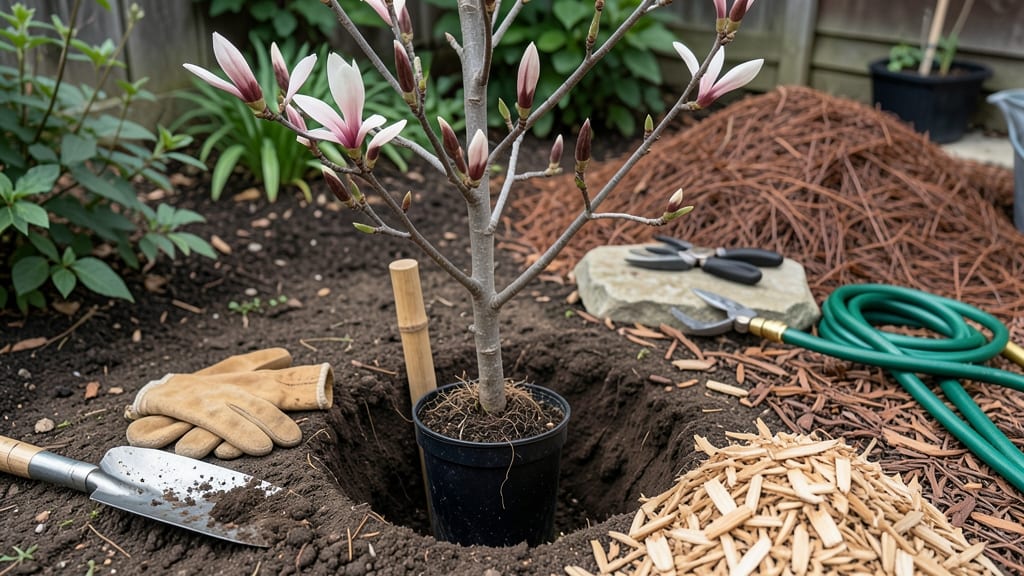
Planting a magnolia tree in Zone 7 during the right season is the key to seeing it thrive for decades with stunning 🌸 blooms—aim for fall or early spring when the soil is cool but not frozen.
Picture this: You’ve spent $150 on a beautiful magnolia sapling, only to watch it struggle because you planted it too late in the year. That’s why timing matters—Zone 7’s mild winters and occasional early frosts mean you’ve got a narrow window to get it right.
Fall planting, between September and November, gives roots time to establish before winter, while early spring (March or April) avoids summer heat stress. But here’s the catch: if you’re in a cooler microclimate, like the mountains of Virginia, you might push planting into December.
In this guide, I’ll break down the exact months to plant, how to prep your soil, and what to watch for in Zone 7’s climate—so your magnolia grows strong, not stressed.
Ideal planting months for magnolia trees in Zone 7 (with climate adjustments)
Planting your magnolia tree in Zone 7 at the right time makes all the difference between a thriving specimen and a struggling one. Unlike some plants, magnolias prefer cool soil and mild temperatures to establish roots before dormancy.
In my experience, late fall is the gold standard for Zone 7 gardeners, but spring planting works too—with key adjustments.
Zone 7 spans diverse climates, from Richmond’s humid subtropical to Atlanta’s cooler highlands. These variations mean your optimal planting window might shift by weeks depending on your exact location.
For example, northern Zone 7 (like Lexington) can handle November planting, while southern areas (like Savannah) should plant by October 15 to avoid early freezes.
The best time to plant magnolias in Zone 7 is September through November or March through early April.
These windows align with cooler soil temperatures (below 70°F) and reduced stress on the tree. Fall planting gives roots time to establish before winter, while spring planting avoids summer heat stress. Here’s how these seasons compare:
If you’re in northern Zone 7 (like Lexington or Asheville), aim for October planting. These areas experience earlier freezes (often by mid-October), so giving your magnolia 6-8 weeks of root growth before winter is critical.
I once planted a Southern Magnolia in late November here, and it struggled through the winter—lesson learned!
For southern Zone 7 (e.g., Savannah or Augusta), you’ve got a slightly longer window. Plant by October 15 to avoid early freezes, but don’t wait past November 1—the soil cools too quickly.
In my Richmond garden, I’ve had success with October 1-15 planting, as the humidity keeps soil temperatures stable longer.
Spring planting in Zone 7 works best from March through early April. The goal is to plant 4-6 weeks before your last frost date (typically April 15 in most of Zone 7).
This gives roots time to establish before summer heat arrives. If you miss this window, avoid planting in May or June—the intense heat and drought risk can shock young magnolias.
Adjust your planting timeline based on local frost dates and soil temperature. Use a soil thermometer to confirm conditions—ideal temps are 50°F-65°F. In my Atlanta garden, I wait until soil temps drop below 70°F before planting in fall.
This simple tool has saved me from root burn in past seasons.
One common mistake in Zone 7 is planting magnolias in early spring (February). While the weather may seem mild, late frosts can still occur, damaging tender new growth. I’ve seen Southern Magnolias planted in February suffer blackened leaves after a 28°F night in March.
Always check your local frost calendar and plant after the last average frost date.
If you must plant in winter (December-February), do so during dormancy and protect the root ball with extra mulch. This is a last-resort option—your tree will establish more slowly, but it can still thrive with proper care.
In humid southern Zone 7, winter planting carries a higher risk of fungal diseases due to wet conditions.
Remember, the key to success is root establishment before stress factors kick in. Whether you choose fall or spring, prioritize well-draining
How to prepare your magnolia tree for Zone 7 planting (soil, location, and aftercare)
Once you’ve chosen the right planting window for your Zone 7 magnolia, preparing the soil and location ensures your tree thrives for decades. Magnolias demand well-draining, slightly acidic soil (pH 5.0–6.5) to prevent root rot—a common issue in Zone 7’s humid summers.
If your native soil is clay-heavy, amend it with peat moss or compost to improve aeration and moisture retention.
Select a sunny location with afternoon shade, especially in hotter Zone 7 sub-regions like Atlanta. Magnolias tolerate morning sun exposure but can scorch in intense afternoon heat. Avoid low-lying areas where cold air pools, as magnolias are sensitive to late spring frosts that can damage emerging buds.
🌱 Key Takeaway: When to Plant Magnolia Tree in Zone 7
After planting, mulch heavily (3–4 inches) with pine straw or shredded bark to retain moisture and regulate soil temperature. Keep mulch 6 inches away from the trunk to prevent rot. Water deeply once weekly during the first year, soaking the root zone to encourage deep root growth.
In Zone 7’s hot summers, increase watering to bi-weekly deep soaks if rainfall is scarce.
Young magnolias are vulnerable to winter windburn in Zone 7, so shield them with a burlap windbreak or plant near a natural barrier like a fence or shrub row. Prune only to remove dead branches—avoid shaping or heavy pruning, as magnolias bloom on old wood.
Apply a balanced fertilizer (10-10-10) in early spring to support new growth, but skip fall fertilization to let the tree harden off.
Monitor for powdery mildew or scale insects, common in Zone 7’s humidity. Treat early with neem oil or horticultural oil to protect your magnolia’s delicate foliage. With proper soil prep, location, and aftercare, your Zone 7 magnolia will reward you with show-stopping blooms for years to come. 🌸