
Pruning
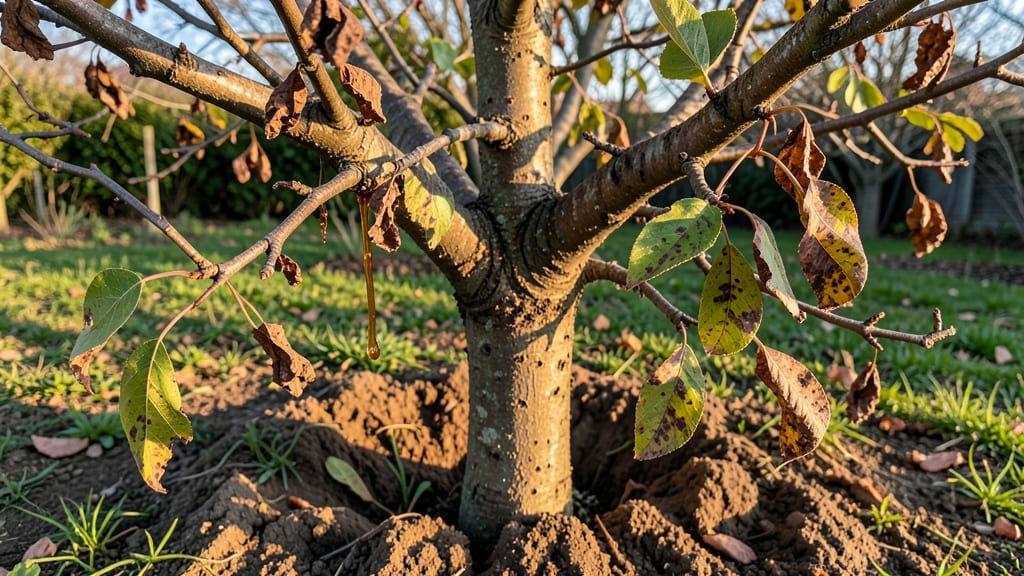
Your peach tree isn’t just struggling—why is my peach tree dying?—it’s sending out desperate SOS signals through wilted leaves and cracked bark. 🌳 The good news?
Most dying peach trees can be saved with the right diagnosis and a few targeted fixes, and I’ve helped revive more than a few over the years.
First, rule out the big three: fungal diseases (like peach leaf curl), pests (such as borers or aphids), and environmental stress (drought or improper watering). Each leaves distinct clues—yellowing leaves, sawdust-like frass, or sunken bark—so we’ll walk through how to spot them and what to do next.
By the end, you’ll know exactly where to focus—whether it’s pruning dead branches, adjusting your watering schedule, or applying a targeted treatment. The key is acting fast, because peach trees are tougher than they look when given the right care.
This isn’t just about saving your tree—it’s about setting it up for a bountiful harvest next summer. Let’s get to the root of the problem.
The Hidden Culprits Killing Your Tree
Peach trees are resilient, but they’re not invincible. When your tree starts wilting, dropping leaves, or showing signs of decay, the issue is almost always tied to one (or more) of these five root causes—each with a clear scientific explanation.
Let’s break down why your peach tree might be on its last limbs and what’s really going wrong under the bark.
Peach trees thrive in USDA Hardiness Zones 5–9, but they’re sensitive to sudden temperature swings, especially in early spring or late fall. Here’s how it happens:
- Late Frost Damage: Peach blossoms are extremely frost-sensitive—even a light freeze (below 28°F) can kill them, leading to poor fruit set.
Without flowers, no peaches = no energy for the tree’s survival. - Heat Stress: Prolonged drought-like conditions (soil temps above 95°F) disrupt root function, causing wilting and leaf scorch.
High temps also attract spider mites, which weaken the tree further. - Winter Burn: Cold, dry winds in winter can desiccate leaves and bark, especially on young trees. The tree’s energy is diverted to repairing damage instead of growth.
💡 Pro Tip: Monitor your local frost dates and use frost cloth if blooms appear before the last expected frost. Mulch heavily in winter to insulate roots.
Peach trees hate soggy roots and drought stress, but both can kill them—just in different ways.
| Issue | How It Happens | Signs to Watch For |
|---|---|---|
| Overwatering | Poor drainage + compacted soil = root rot (fungal infection). Roots suffocate, starving the tree. | Mushy, black roots; yellowing leaves; tree leaning (unstable). |
| Underwatering | Drought causes vascular system collapse—the tree can’t transport water/nutrients. | Crispy, curled leaves; leaf drop; trunk cracks (from extreme stress). |
| Irregular Watering | Uneven moisture stresses roots, making them vulnerable to disease. | Stunted growth; brown, brittle branches. |
⚠️ Warning: Peach trees need 1–1.5 inches of water per week (deep watering, not light sprinkles). Test soil moisture 2 inches below the surface—if it’s dry, water deeply.
Peach trees are a buffet for pests and pathogens. Here’s what’s likely gnawing away at yours:
- Peach Tree Borer 🐜: Larvae burrow into the cambium layer (the tree’s "plumbing"), disrupting nutrient flow. Signs: Sawdust-like frass at the base; oozing sap; dying branches. - Brown Rot Fungus 🍄: Thrives in wet, warm conditions, rotting fruit and cankers on branches. Signs: Mummy fruit (mummified peaches); dark, sunken lesions on bark. - Aphids & Scale Insects 🐜: Sap-sucking pests that weaken leaves, causing yellowing and curling.
They also attract sooty mold (a black fungal growth).
🔥 Fix It: Prune infected branches 6+ inches below cankers (sterilize tools with 70% alcohol). Apply neem oil for pests or copper fungicide for brown rot.
Peach trees are heavy feeders and need balanced nutrients to fight off stress. Common deficiencies include:
- Nitrogen (N) Deficiency 💚: Leads to yellowing leaves (chlorosis) starting at the oldest leaves. The tree can’t produce enough chlorophyll for energy. - Potassium (K) Deficiency 🍂: Causes weak wood, making branches prone to breakage.
Leaves develop brown edges (like scorching). - Zinc or Iron Deficiency 🔄: Shows as interveinal chlorosis (yellow between veins) on new growth. Common in alkaline soils.
📊 Soil Test First: Use a home test kit or send a sample to a lab. Amend soil with compost, sulfur (for alkalinity), or a balanced fertilizer (like 10-10-10).
Incorrect pruning (or none at all) can stress the tree and invite disease. Common mistakes:
- Over-Pruning ❌: Removing >25% of foliage in one go shocks the tree, reducing its ability to photosynthesize.
- Wrong Cuts ❌: Topping (cutting back to a stub) or fluted cuts (leaving a tear in the bark) create entry points for bacteria/fungi.
- Timing Issues ⏰: Pruning during dormancy (late winter) is best—never prune in fall (invites fungal infections) or summer (stresses the tree).
👨🍳 Do It Right:
- Use clean, sharp pruners (sterilize with bleach or rubbing alcohol).
- Make cuts just outside the branch collar (the swollen area where the branch meets the trunk).
- Thin out (remove entire branches) rather than heading back (cutting stems).
Healthy roots = a healthy tree. If yours are struggling, check for:
- Compacted Soil 🪨: Prevents oxygen and water penetration, leading to root suffocation. Signs: Slow growth; water pooling after rain.
- Poor Drainage 💦: Peach trees hate "wet feet"—soggy soil = root rot. Test: Dig a hole; if water doesn’t drain in 4–6 hours, amend with sand or gravel.
- Girdling Roots 🔄: Roots that loop around the trunk (often from container-grown trees) strangle the tree by cutting off nutrient flow.
✨ Solution: Aerate compacted soil with a garden fork or plant in well-draining soil (mix in compost + perlite). If roots are girdling, prune them carefully (only if necessary).
Reviving Your Peach Tree Step by Step
Now that you’ve identified the root of the problem, it’s time to roll up your sleeves and give your peach tree the care it desperately needs.
Below, we’ve mapped out practical, actionable fixes for each common cause of decline—plus prevention tips to keep your tree thriving long-term. Let’s turn this around!
If your tree is struggling due to compacted, nutrient-poor, or improperly balanced soil, here’s how to nurse it back to health:
🔥 Step 1: Test Your Soil
Before amending, grab a soil test kit (available at garden centers) or send a sample to your local Cooperative Extension Service. This will reveal pH levels and missing nutrients like nitrogen, potassium, or magnesium.
🍳 Step 2: Loosen and Aerate the Soil
- Use a garden fork or tiller to break up compacted soil around the root zone (avoid digging too deep—peach trees have shallow roots!).
- Mix in 2–3 inches of compost or well-rotted manure to improve drainage and fertility.
👨🍳 Step 3: Apply the Right Fertilizer
- For acidic soil (pH < 6.0): Sprinkle wood ash or lime (follow package instructions) to raise pH.
- For deficient soil: Use a balanced, slow-release fertilizer (like 10-10-10) in early spring or a fruit-tree-specific formula with micronutrients.
- For yellowing leaves (nitrogen deficiency): Apply blood meal or fish emulsion as a quick fix.
🥘 Step 4: Mulch Properly
- Spread 2–4 inches of organic mulch (straw, wood chips, or pine needles) 3 inches away from the trunk to retain moisture and block weeds.
- ⚠️ Avoid piling mulch against the trunk—this can cause rot.
💡 Prevention Tips
- Test soil every 2–3 years to catch deficiencies early.
- Avoid over-fertilizing—peach trees prefer moderate nutrients, not a heavy hand.
- Plant companion crops like clover or beans nearby to naturally enrich the soil.
Peach trees hate soggy roots but also wilting from neglect. Here’s how to strike the right balance:
🌡️ Step 1: Check Moisture Levels
- Stick your finger 2–3 inches into the soil—if it’s dry, it’s time to water.
- Overwatered soil? It’ll smell musty and feel squishy (like a sponge).
💧 Step 2: Adjust Your Watering Routine
- Deep watering is key! Water slowly and deeply (1–2 inches per week) rather than frequent shallow sprinkles.
- Use a soaker hose or drip irrigation to deliver water directly to the roots.
- Avoid wetting the leaves to prevent fungal diseases.
🔄 Step 3: Improve Drainage (If Needed)
- If your yard holds water, raise the tree’s root zone by mounding soil or creating a swale (a shallow trench) to redirect water.
- Avoid planting in low spots where water pools.
✨ Prevention Tips
- Water in the morning to reduce evaporation and fungal risks.
- Mulch heavily to lock in moisture during dry spells.
- Monitor during extreme weather—adjust frequency in heatwaves or droughts.
If insects, fungi, or bacteria are to blame, act fast with these targeted solutions:
🐛 Step 1: Identify the Culprit
- Aphids/Scale: Sticky leaves, curled foliage.
- Borers: Sawdust-like frass at the base or in bark crevices.
- Fungal diseases (brown rot, leaf spot): Dark spots, wilting, or oozing cankers.
🔪 Step 2: Remove Infested Parts
- Prune away dead/diseased branches with sterilized shears (wipe with rubbing alcohol between cuts).
- Rake up fallen leaves to prevent reinfection.
💊 Step 3: Apply Organic or Chemical Treatments
| Pest/Disease | Organic Fix | Chemical Fix (Last Resort) |
|---|---|---|
| Aphids/Scale | Neem oil spray (repeat weekly) | Horticultural oil or insecticidal soap |
| Borers | Beneficial nematodes (soil-dwelling) | Imidacloprid systemic insecticide |
| Brown Rot | Copper fungicide (preventative) | Myclobutanil (post-infection) |
| Leaf Spot | Baking soda spray (1 tbsp/L water) | Chlorothalonil fungicide |
🎯 Prevention Tips
- Prune for airflow—thin out dense branches to reduce humidity (which fungi love).
- Clean tools after each use to prevent spreading disease.
- Plant disease-resistant varieties (e.g., ‘Redhaven’ or ‘Elberta’ peaches).
If over-pruning, wrong timing, or poor cuts are the issue, here’s how to undo the damage:
🌿 Step 1: Assess the Damage
- Too many cuts? Look for thin, spindly growth or bare branches.
- Wrong time? Late pruning (after dormancy) can invite disease.
🔄 Step 2: Prune Correctly This Time
- Best time: Late winter/early spring before buds swell.
- Cut back to:
- 1/4-inch above a bud (at a 45° angle).
- A healthy branch (not a stub or dead wood).
- Remove:
- Crossing branches (rubbing creates wounds).
- Suckers (shoots at the base).
- Dead/diseased wood (cut back to healthy tissue).
🌟 Prevention Tips
- Follow the “3-cut rule” for large branches: Under-cut, then top-cut, finally remove.
- Avoid topping (cutting back to a flat surface)—it encourages weak growth.
- Use sharp, clean tools to prevent tearing bark.
Final Thought: Revival takes patience and consistency, but with these fixes, your peach tree can bounce back—and even reward you with juicy fruit next season! 🍑🌟 Start with one or two fixes (like soil testing + watering adjustments) before tackling pests or pruning.
Frequently asked questions about a dying peach tree
Why are my peach tree leaves turning yellow?
Yellowing leaves (chlorosis) usually signal nutrient deficiencies or overwatering. Check if the yellowing starts on older leaves (nitrogen deficiency) or new growth (iron/zinc deficiency). Test your soil—peach trees thrive in slightly acidic soil (pH 6.0-7.0). If the soil is soggy, you may have root rot from overwatering.
What does peach tree borer damage look like?
Look for sawdust-like frass (insect droppings) at the tree base or in bark crevices, plus oozing sap or dying branches. Borers tunnel into the cambium layer, disrupting the tree’s nutrient flow. If you see these signs, act fast—borers can kill a tree in 1-2 years if untreated.
Can I save my peach tree if it's completely leafless?
Not always—but don’t give up! Leafless trees often suffer from drought stress, frost damage, or severe pest infestations. First, check for new buds (signs of life). Water deeply if the soil is dry, and apply mulch to protect roots. If the trunk is still firm (not soft or hollow), there’s hope—prune dead branches and fertilize in early spring.
How often should I water a struggling peach tree?
Peach trees need 1-1.5 inches of water per week, but struggling trees may need more. Water deeply 2-3 times per week during droughts, ensuring moisture reaches 12-18 inches deep. Avoid wetting leaves to prevent fungal diseases. Use a soaker hose or drip irrigation for best results.
Is it too late to fix my peach tree if it's been dying for months?
It’s never too late to try! Even severely stressed trees can recover with proper care. Start by pruning dead branches, improving soil drainage, and applying a balanced fertilizer. If the trunk is still alive (tap it—it should sound solid), focus on root health and pest control. Revival takes time, but peach trees are resilient!