
Plants
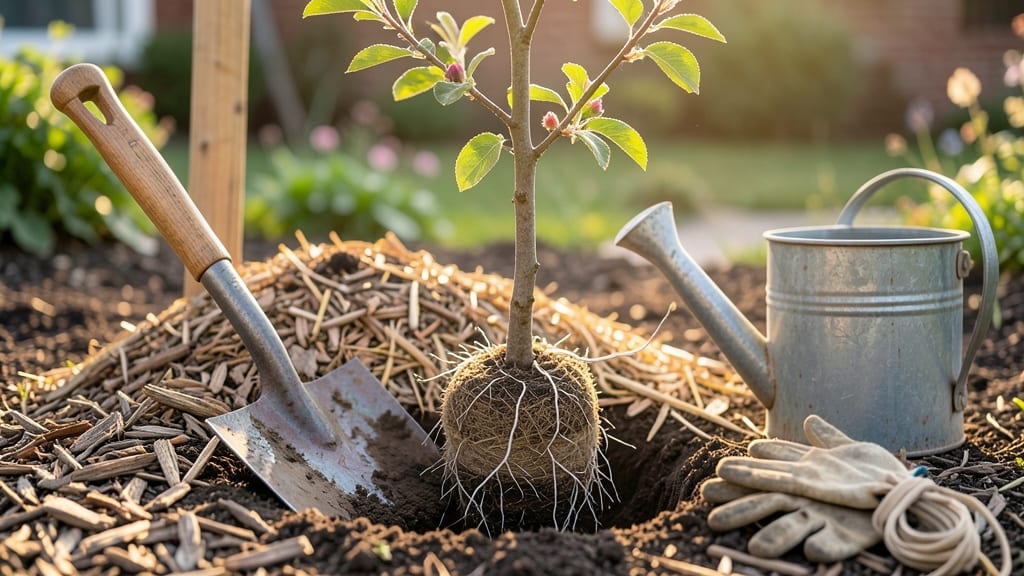
Planting a tree in the ground at the right time ensures it thrives for decades 🌳 — and getting that window wrong can leave your tree struggling for years.
If you’ve ever watched a newly planted tree wilt under summer heat or freeze in a late frost, you know how critical timing is. The best months depend on your climate zone, whether you’re planting bare-root or container-grown, and even the type of tree.
In most regions, early spring or fall—when soil is workable but not frozen—gives roots the ideal start. But exceptions exist: Mediterranean climates favor winter planting, while Pacific Northwest zones stretch the window longer.
Below, we break down the science behind soil temps, frost dates, and how to read your tree’s readiness cues.
You’ll learn the exact planting windows for your zone, how to prep the soil, and the one mistake that kills 70% of new trees—plus how to avoid it. Let’s get your tree off to the strongest possible start.
Best planting months by u.s. climate Zones (zone 3-10 guide)
Timing your tree planting is one of the most critical decisions for long-term success. In USDA Zones 3-10, the best planting windows vary dramatically—from late winter in Zone 10 to early fall in Zone 3.
The key is aligning with soil temperatures, rainfall patterns, and your tree's type (bare-root vs. container-grown).
Bare-root trees thrive when dormant, while container-grown trees adapt better to warmer soil. Regional exceptions exist too—Mediterranean climates (like Southern California) favor winter planting, while the Pacific Northwest's mild winters extend the window. Let's break down the ideal months for each zone to maximize root establishment.
⚠️ CRITICAL RULE: Never plant when soil temps are below 50°F (10°C) or above 85°F (29°C). Use these zone-specific guidelines to avoid stunted growth or transplant shock.
For Zone 3-5, focus on early spring planting (after frost) to give roots time to establish before winter.
In Zones 6-7, you can extend into early fall (4-6 weeks before first frost) for a second planting window. Zone 8-10 gardeners enjoy longer seasons—planting bare-root trees in winter (when dormant) and container-grown trees year-round.
Container-grown
5 Critical signs your tree is ready for ground planting (beyond the calendar)
Timing your tree planting isn't just about checking a calendar—it's about reading your soil and tree's signals. While most guides suggest early spring or fall, your local conditions might tell a different story. Pay attention to these practical indicators to ensure your tree thrives from day one.
Don't rely solely on frost dates or generic planting windows. Instead, observe your soil temperature, moisture levels, and the tree's natural growth cues. These signs often provide clearer guidance than a calendar ever could.
For example, a 50°F soil temperature consistently for a week is a reliable green light for planting.
🌱
To test soil temperature without a thermometer, press your finger into the ground. If it feels cool but not freezing, it's likely in the 50°F range. For moisture levels, grab a handful of soil—it should hold together but not feel wet or sticky.
This ideal moisture prevents root rot while keeping the soil workable.
Watch for bud break on deciduous trees, like maples or oaks. When buds swell but haven't yet opened, it's a perfect window for planting. Evergreens, however, don't have this cue—focus instead on soil warmth and root activity.
Gently remove a containerized tree from its pot and check for white, fibrous roots circling the edges.
Finally, always check the 10-day weather forecast. Planting a tree just before a hard frost can shock its roots, even if the soil feels warm. Aim for a stretch of mild, dry weather to give your new tree the best possible start.
These signs work together to give you confidence that your tree is ready for ground planting.
🌳