
Plants
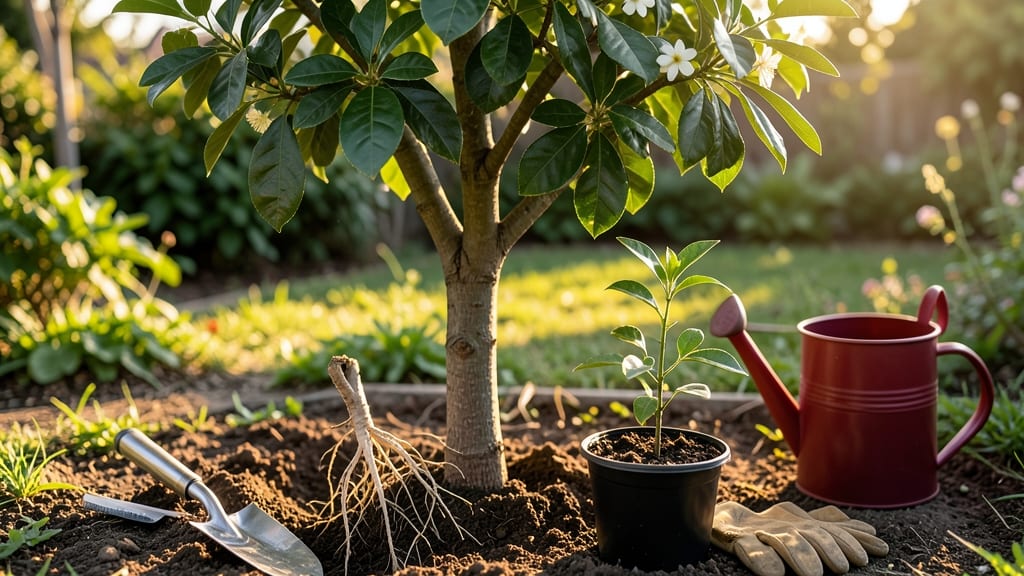
Planting a lemon tree in the ground at the right time is the difference between a thriving citrus tree and one that struggles to survive.
Timing is everything when planting a lemon tree—get it wrong, and your citrus dream could wither before it even takes root. But plant it at the perfect moment, and you’ll enjoy fresh lemons for years to come.
In USDA Zones 9a-10a, where frost is rare, you can plant year-round, but late spring to early summer gives your tree the best start. For colder zones like Zone 6, wait until after the last frost—typically late May or June—to avoid winter damage.
Below, I’ll break down the best months for your climate, how to prep the soil, and the key signs your lemon tree is ready to call its new home, ground.
Best months to plant a lemon tree by USDA climate Zone
Planting a lemon tree at the right time ensures strong root establishment and bountiful harvests. In USDA Zones 8-11, where frost is rare or nonexistent, timing focuses on soil warmth and rainfall patterns.
For example, in Zone 10 (like Southern California), you can plant almost year-round, while Zone 8 (like parts of Georgia) demands precise timing to avoid late-spring frosts.
Lemon trees thrive when soil temperatures stay above 60°F (15°C)—critical for root growth. In warmer zones, aim for early spring (March-April) or early fall (September-October) to avoid summer heat stress or winter chills.
Regional variations matter too: Florida’s humidity requires extra vigilance against fungal diseases, while Arizona’s dry heat means prioritizing deep watering.
Here’s a breakdown of ideal planting windows by zone, including soil temp, frost risk, and regional tips:
In Zone 8, where late frosts linger, prioritize March-April planting to give roots time to establish before summer heat. If planting in fall, choose September to avoid winter chills. For Zone 9, like Southern California, February-March is ideal—soil warms quickly, and frost risk is minimal.
In Zone 10 and 11, where frost is nonexistent, timing shifts to avoiding extreme heat (e.g., mid-summer in Florida).
Soil temperature is non-negotiable: lemon trees refuse to thrive below 60°F (15°C). Use a soil thermometer to confirm warmth before planting. In cooler zones, mulch heavily (4-6 inches of straw or wood chips) to insulate roots.
For container-grown trees, wait until nighttime temps stay above 55°F (13°C)—critical for Meyer lemons, which are slightly cold-hardier.
Regional quirks matter: In Florida, plant in early fall to escape hurricane season’s fungal risks. In Arizona, September planting
How to prepare your lemon tree for planting season
Preparing your lemon tree for planting season is the secret to avoiding transplant shock and giving it the best start. Whether you're moving a container-grown seedling or planting a nursery-bought tree, the right prep makes all the difference.
I’ve learned the hard way that skipping these steps can lead to yellowing leaves and stunted growth—so let’s do this right.
First, check your local frost dates. Lemon trees thrive in warmth, so aim to plant after your last expected frost in spring or before the first chill of fall in warmer climates.
For most of the U.S., that means late May to early July for spring planting. If you’re in a frost-free zone like Florida or California, early fall (September-October) works too.
⚠️ Critical Mistake: Planting Too Early
Planting a lemon tree before soil temperatures hit 60°F (15°C) can stunt root growth. Cold soil shocks the roots, causing them to struggle for months. Use a soil thermometer to confirm—wait until the ground is consistently warm at least 6 inches deep. In USDA Zones 8-10, this is usually mid-April to early June.
Next, focus on soil preparation. Lemon trees demand well-draining soil with a slightly acidic pH (6.0–7.0). Test your soil’s pH using a kit—if it’s too alkaline (above 7.0), amend it with sulfur or peat moss.
For drainage, mix in compost and perlite to loosen heavy clay soils. I once planted mine in unamended soil, and the roots suffocated—don’t make that mistake!
If your lemon tree is still in a container, harden it off before planting. Move it outdoors for 2–3 hours daily over 1–2 weeks, gradually increasing exposure to sunlight and wind. This mimics natural conditions and reduces stress.
Skip this step, and your tree might drop leaves or refuse to thrive. Pro tip: Water the container thoroughly 24 hours before transplanting to encourage root expansion.
When digging the hole, make it twice as wide as the root ball but no deeper. This encourages roots to spread outward instead of circling.
Gently remove the tree from its container, loosen any tangled roots with your fingers, and place it in the hole so the graft union (the bump near the base) sits 1–2 inches above soil level. Backfill with native soil mixed with compost, then water deeply to settle everything.
After planting, mulch around the base with 2–3 inches of organic mulch (like straw or wood chips) to retain moisture and regulate soil temperature. Avoid piling mulch against the trunk—keep it 3 inches away to prevent rot.
Water lightly every 2–3 days for the first month, focusing on deep soaks rather than surface watering. This helps roots establish without drowning.
Finally, shield your lemon tree from direct afternoon sun for the first week or two using shade cloth. This gives it time to adjust without burning. Once it’s settled, you’re ready to enjoy years of lemons—just remember, patience is key! 🌱