
Plants
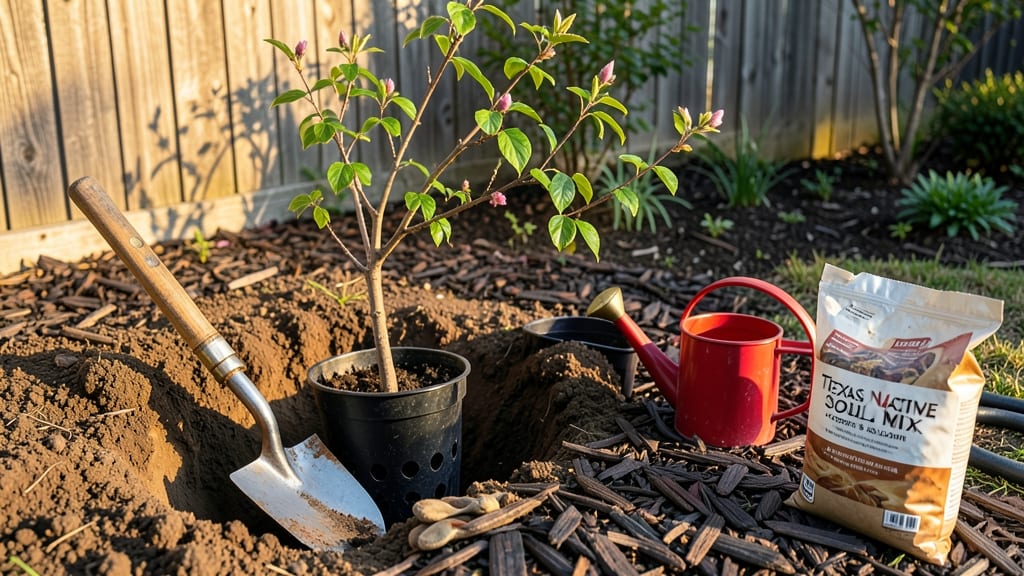
The best time to plant a tree in Texas is during late fall to early spring—specifically November through March—when temperatures are mild, soil moisture is stable, and stress from extreme heat is avoided. Adjust timing based on your region’s frost dates and rainfall patterns for optimal root establishment.
Texas's cool-season planting window exists to give young trees time to develop strong roots before summer's brutal heat arrives. 🌳 In North Texas, where frosts linger into March, you can plant as late as early April, while South Texas's longer growing season allows for planting into February.
The key is avoiding the dog days of summer when soil temperatures can exceed 90°F, which stresses tender root systems. I always check my local Cooperative Extension Service for precise frost date maps—these vary dramatically even between neighboring counties.
Beyond timing, soil prep makes all the difference in Texas's variable conditions. The state's clay-heavy soils in East Texas need ample compost and gypsum to improve drainage, while West Texas's sandy soils benefit from organic matter retention.
Native species like live oaks or cedar elms thrive with minimal intervention, but non-native varieties often require deep watering schedules—think 15-20 gallons per week for the first year. Mulching with 3-4 inches of wood chips helps conserve moisture and regulate soil temperature.
💡 In This Article
- Texas Tree Planting Seasons by Region: Frost Dates and Microclimates
- Soil Preparation and Tree Planting Checklist for Texas Gardens
Texas tree planting seasons by region: frost dates and microclimates
Texas's planting seasons vary dramatically by region due to its diverse microclimates. In North Texas, where average last frost dates range from March 15-30, you can plant trees as late as early April, but the ideal window remains November through February.
The Hill Country experiences slightly cooler nights, extending the planting window into early March, while Central Texas typically follows North Texas patterns with minor variations. South Texas's subtropical climate allows for planting into late February, as frost events are rare outside of January.
The critical factor is soil temperature—roots struggle to establish when ground temps exceed 85°F. In West Texas, where summer heat arrives earlier, planting in late fall gives roots time to develop before soil temperatures climb above 90°F by May.
Rainfall patterns also play a role: East Texas's humid climate provides natural moisture, while West Texas requires supplemental watering to compensate for lower humidity and higher evaporation rates.
For example, El Paso averages only 8 inches of rain annually, compared to Houston's 50 inches, making irrigation essential for survival.
Microclimates within regions further refine planting timing. Urban areas like Dallas experience heat islands that can raise soil temperatures by 5-10°F compared to rural areas, potentially pushing planting deadlines earlier. Coastal regions benefit from moderating ocean breezes, while inland areas face more extreme temperature swings.
For instance, Austin's average last frost is March 1, but microclimates in the city's Hill Country foothills can delay frost until March 15, creating a two-week planting buffer for those areas.
Native species adapt naturally to these variations. Live oaks thrive in both East and Central Texas, while mountain cedars dominate the Hill Country's rocky soils. Non-native trees like London planetrees require more precise timing and care, as they're less drought-tolerant.
The Texas A&M AgriLife Extension recommends planting bare-root trees in winter (when they're dormant) and container-grown trees in fall or early spring for flexibility in microclimates.
Consider these regional adjustments for optimal success:
- North Texas: Plant from November 1-February 28; avoid April-May due to rapid soil warming
- Central Texas: Extend to March 15 in protected microclimates; prioritize deep watering in limestone soils
- South Texas: Last chance by February 28; monitor for unpredictable frost in January
- West Texas: Finish by February 15; use drip irrigation for sandy soils
What most gardeners overlook is how wind patterns affect transplant shock. Coastal areas experience prevailing southeasterly winds that dry out young trees faster, while inland regions face northerly winds that can cause winter desiccation. Adjusting planting orientation and using windbreaks can improve survival rates by 20-30% in exposed sites. 🌬️