
Plants
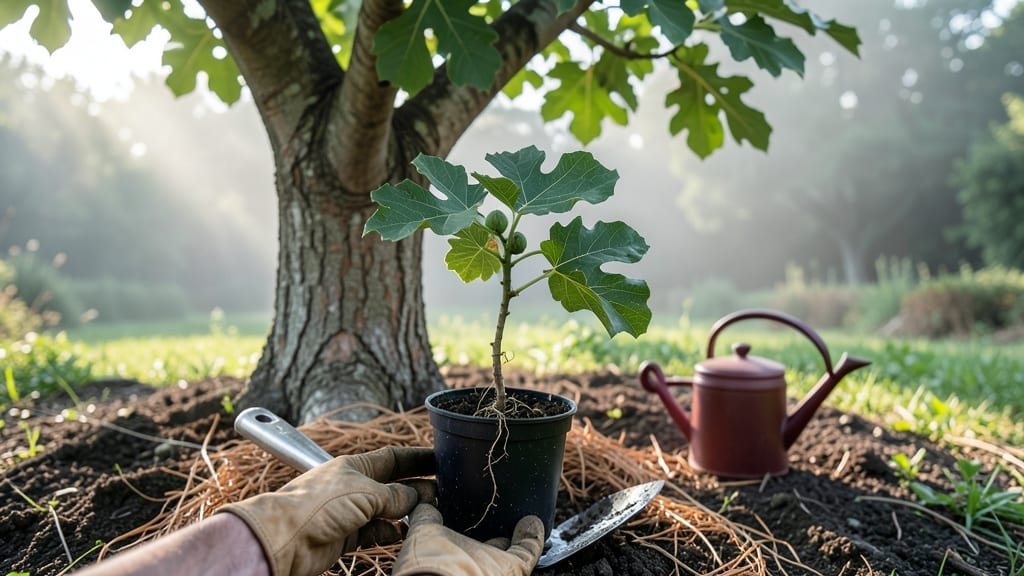
Planting a fig tree in New York after the last frost—typically late April to early May—sets the stage for a bountiful harvest 🍈, but timing is everything when frost can still sneak in.
New York’s unpredictable climate can make planting a fig tree a gamble—unless you know the exact frost-free windows for your zone and the best varieties to thrive in heatwaves and humidity.
Whether you’re in the 5b-7b zones or an urban garden in NYC, the wrong timing means young trees struggling or even dying when temperatures dip unexpectedly.
In this guide, I’ll break down the best planting windows by region, the hardiest varieties for NY’s swings from frost to summer heat, and pro tips to protect your tree—so you can enjoy sweet figs from August through October.
NY planting Zones & frost-free dates for fig trees (2024 guide)
Fig trees thrive in New York’s climate, but timing is everything.
With USDA zones 4-8 across the state, your last frost date can vary by 3-4 weeks—meaning planting too early in Upstate NY (Zone 5) could fry tender roots, while Long Island (Zone 7) might see frost as late as May 15.
Let’s break down the exact windows for your zone and how to adjust for your microclimate.
First, check your USDA zone—most of New York falls between Zone 5b and 7b. For example, Buffalo (Zone 6a) has an average last frost date of April 20, while New York City (Zone 7b) typically sees its last frost by April 15.
These dates shift earlier in the south (e.g., Albany, Zone 5b) and later in the north (e.g., Syracuse, Zone 5a).
Here’s the critical rule: Plant your fig tree 2-4 weeks after your average last frost date. This gives the soil time to warm to 60°F+, which figs need to root successfully. Use local Almanac frost charts or NOAA data to pinpoint your exact date—don’t rely on generalizations!
🌱 Pro Tip: If you’re in Zone 4-5, opt for cold-hardy varieties like ‘Chicago Hardy’ and plant in containers for winter protection. For Zones 6-8, in-ground planting works, but mulch heavily to insulate roots.
| USDA Zone | Avg. Last Frost | Planting Window | Microclimate Notes |
|---|---|---|---|
| Zone 4-5 (Upstate NY) | April 25 - May 10 | May 15 - June 1 | Use containers; protect with frost cloth until June. |
| Zone 5b-6a (Syracuse, Rochester) | April 15 - April 25 | May 1 - May 15 | Urban areas (e.g., Buffalo) may frost later—wait until May 10. |
| Zone 6b-7a (Albany, Hudson Valley) | April 10 - April 20 | April 25 - May 10 | South-facing slopes warm faster—plant 1-2 weeks earlier. |
| Zone 7b (NYC, Long Island) | April 1 - April 15 | April 15 - April 30 | Heat islands in cities delay frost—monitor local data. |
Your microclimate matters more than your zone. For example, NYC’s heat island effect can push last frosts 2 weeks later than rural areas nearby. If you’re in a valley or low-lying area, frost lingers longer—add 1-2 weeks to the table above.
Conversely, south-facing walls or paved surfaces warm up faster, letting you plant 10-14 days earlier.
For container gardening, you can plant 2-3 weeks earlier than in-ground because pots warm up faster. Just ensure your container has drainage holes and use a lightweight potting mix. Move containers indoors or to a garage if nighttime temps drop below 40°F.
🌿 Warning: Late frosts in May are common in Upstate NY. If your fig tree sprouts leaves before your last frost, cover it with frost cloth or a lightweight blanket at night. Young leaves are extremely frost-sensitive—even 28°F can kill them.
Fall planting is risky but possible in Zones 7-8. Aim for late August to early September, giving roots 6-8 weeks to establish before winter. In Zones 4-6, skip fall planting—figs need active growth to harden off for winter.
🪴 Action Step: Check your local frost dates (use Almanac.com or NOAA), then add 2-4 weeks for your planting window. If you’re unsure, start with containers—they give you flexibility to move your tree if frost threatens.
Best fig tree varieties for New York’s climate (cold-hardy vs. heat-loving)
New York’s climate throws a curveball with its hot, humid summers and freezing winters, but the right fig tree varieties can thrive in both extremes.
Some varieties, like 'Chicago Hardy', are bred to survive Zone 5 winters with minimal protection, while others, like 'Brown Turkey', need winter wraps to avoid frost damage. The key is matching your microclimate—whether you're in Upstate NY or the NYC metro area—to the fig’s tolerance.
For sweetest fruit in New York’s summer humidity, varieties like 'Celeste' and 'Osborn Prolific' shine, producing honey-like figs that ripen reliably. However, their cold-hardiness lags behind others, so they’re better suited for Zone 6 and above.
If you’re in Zone 5 or colder, 'Little Miss Figgy' or 'Desert King' are compact, cold-tolerant options that still deliver rich, flavorful fruit.
🌱 Cold-Hardy Fig Varieties (Zones 5-6)
'Chicago Hardy'
✅ Survives -20°F with no protection
✅ Dwarf size (8-10 ft), great for containers
⚠️ Smaller fruit, slower to bear
'Little Miss Figgy'
✅ Zone 5 hardy, compact (6-8 ft)
✅ Sweet, red-skinned figs
⚠️ Needs winter mulch for best results
☀️ Heat-Loving & Humidity-Tolerant Varieties (Zones 6-8)
'Celeste'
✅ Honey-sweet figs, prolific producer
✅ Thrives in humidity, Zone 7+
⚠️ Needs winter protection in Zone 6
'Brown Turkey'
✅ Classic flavor, large fruit
✅ Drought-tolerant, heat-loving
⚠️ Needs winter wraps in NY
If you’re in Upstate NY (Zones 5-6), prioritize 'Chicago Hardy' or 'Little Miss Figgy' for low-maintenance cold survival. These varieties re-sprout from the ground after winter dieback, making them ideal for first-time fig growers.
In contrast, NYC and Long Island (Zones 7-8) gardeners can push their luck with 'Celeste' or 'Osborn Prolific', which reward you with bountiful harvests if you provide light winter protection like burlap wraps or mulch piles.
For urban gardeners with limited space, 'Desert King' is a dwarf variety that produces golden, honey-flavored figs and tolerates container life well. Plant it in a large pot (15+ gallons) and move it to a sunny balcony or protected patio when temperatures dip below 20°F.
This variety is also disease-resistant, a plus in New York’s humid summers.
No matter which variety you choose, spring pruning is critical to encourage fruit production. Cut back dead or weak branches in late March or early April, just as new growth begins.
This timing ensures your fig tree has plenty of energy to rebound after winter and produce fruit by mid-summer. Pair this with a thick layer of mulch around the base to insulate roots during late frosts.
Remember, fig trees are patient—they may take 2-3 years to bear fruit, but once established, they’ll reward you with harvests for decades. In New York, the