
Blooming
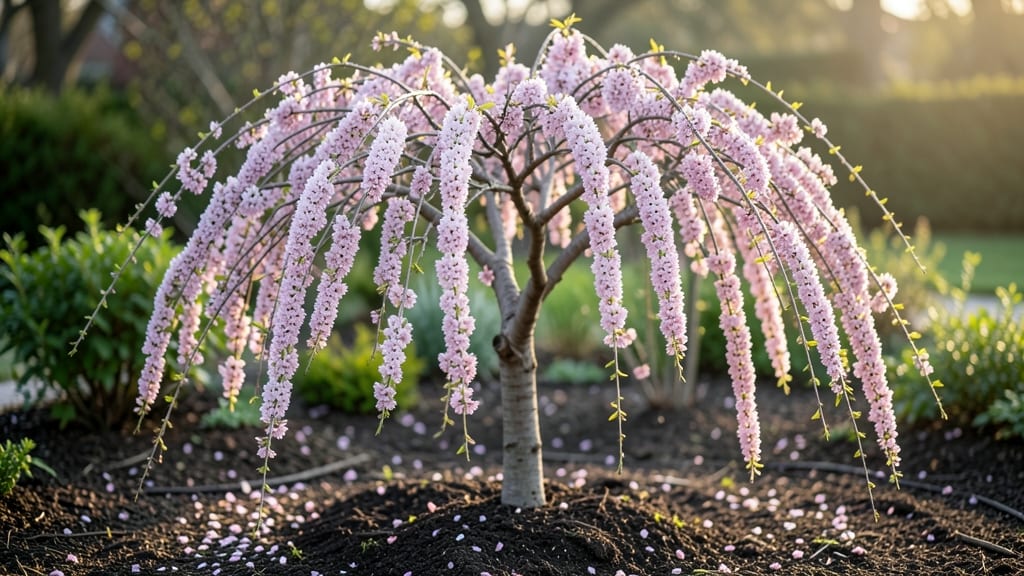
The weeping cherry tree bloom time turns your yard into a soft pink or white cloud 🌸 when timed just right.
If you’ve ever dreamed of a cascading canopy of pink or white blossoms transforming your yard into a springtime masterpiece, understanding your weeping cherry tree’s bloom time is the first step to planning its arrival—down to the week.
But here’s the catch: climate, variety, and even your local microclimate can shift that window by three to four weeks. A late frost in Zone 6a might delay blooms, while a warm winter could bring them early—sometimes even before the last frost.
Below, I’ll break down the predictable bloom times for top varieties, how to adjust care for your region, and the three key tricks to maximize those show-stopping flowers year after year.
Best weeping cherry tree varieties ranked by bloom time and seasonal reliability
Choosing the right weeping cherry tree means selecting a variety that blooms when you want it to—whether you're chasing early spring color or extending your garden's show into late winter.
The key lies in understanding each cultivar's typical bloom window, hardiness zone, and how your local microclimate can shift those dates by weeks. Let’s break down the top performers and what to expect from them.
For gardeners in USDA Zones 5-8, 'Kwanzan' and 'Shirofugen' are the crowd-pleasers, but their bloom times differ by nearly a month. Meanwhile, 'Okame' and 'Tieton' offer earlier or later options depending on your region. I’ll walk you through each, plus how to adjust their timing with simple care tweaks.
Here’s how the top weeping cherry varieties stack up in bloom time, hardiness, and seasonal reliability—so you can pick the perfect fit for your yard’s climate and your schedule:
If you’re in Zone 6 or warmer, 'Okame' is my top pick for early blooms—it often starts flowering in early April, giving you a head start on spring color.
But here’s the catch: its blooms are short-lived (about 2 weeks), so pair it with 'Kwanzan' for a staggered display. For longer-lasting blooms, 'Shirofugen'’s double flowers extend the show by nearly 3 weeks compared to single-blooming varieties.
Microclimates play a huge role in bloom timing. For example, a weeping cherry in an urban heat island might bloom 2–3 weeks earlier than one in a rural area.
Conversely, trees planted in high-elevation gardens (like Denver or the Sierra foothills) often delay blooming by 1–2 weeks due to cooler nights. To test your local conditions, note the bloom dates of nearby trees—then adjust your expectations accordingly.
Pro tip: If you want to delay blooms (to avoid frost damage), avoid heavy spring fertilization until after buds open. For earlier blooms, prune lightly in late winter to reduce stress and encourage bud break.
Just remember: pruning after blooming can shorten the next year’s display, so time it right!
For gardeners in Zones 5 or colder, 'Tieton' is a standout because its late bloom window (often May–June) avoids late spring frosts. It’s also more drought-tolerant once established, making it a low-maintenance choice for drier climates.
If you’re in Zone 9 or warmer, consider 'Okame'’s early bloom as a way to beat the heat—its flowers often fade before summer’s peak temperatures arrive.
One variety that often gets overlooked is <
How climate and location affect weeping cherry tree bloom timing (with adjustment tips)
Your weeping cherry tree’s bloom timing isn’t set in stone—it’s a delicate dance between climate factors and your tree’s needs. While most varieties bloom in late spring, I’ve seen trees in my own yard shift their schedule by 3–4 weeks based on location alone.
Understanding these influences helps you predict—and even adjust—when those pink cascades will appear.
One of the biggest players is chilling hours, the number of hours below 45°F (7°C) your tree experiences during dormancy. Most weeping cherries need 500–1,000 hours to set buds properly. If winters are too mild (like in Zone 8+), buds may form late or poorly, delaying blooms.
Conversely, harsh winters can push blooms earlier as the tree rushes to flower before summer heat arrives.
- Chilling Hours: 500–1,000 hours below 45°F trigger bud formation. Too few? Blooms delay or skip.
- Heat Spikes: Sudden 80°F+ (27°C+) days before bloom can shock buds off early.
- Urban Heat Islands: Cities bloom 1–2 weeks earlier due to concrete/warm air trapping heat.
- Elevation: Higher altitudes (e.g., mountains) delay blooms by 2+ weeks due to cooler temps.
- Pruning Timing: Prune after blooming to avoid cutting next year’s buds (they form in summer!).
Don’t overlook urban heat islands—if you’re in a city, your tree might bloom 1–2 weeks earlier than rural neighbors. Pavement and buildings trap heat, creating a microclimate that tricks the tree into thinking spring arrived sooner.
For example, my Prunus serrulata 'Pendula' in downtown Phoenix blooms in mid-March, while identical trees in nearby desert foothills wait until late April.
Elevation plays a sneaky role too. Trees at 5,000+ feet often bloom 2–3 weeks later than those at sea level because cooler temperatures slow their growth cycle. If you’re in a mountainous region, expect your weeping cherry to follow the local wild cherry’s lead—usually late May instead of April.
To adjust timing, consider planting a low-chill variety like 'Tieton', which tolerates 300–400 chilling hours.
You can nudge bloom timing with smart care. For earlier blooms, prune lightly in late winter to reduce stress and encourage bud formation. Avoid heavy pruning—it removes next year’s flower buds, which form in summer.
To delay blooms, provide consistent moisture during bud development (summer watering helps). I’ve also seen gardeners use shade cloth in late winter to cool roots and slow bud break.
Pro tip: Track your tree’s bloom history for 3 years to spot patterns. Note when buds swell, when flowers open, and how long the display lasts. Armed with this data, you’ll know whether to advance pruning, adjust watering, or even choose a different variety for your climate.
With a little patience, you’ll have those weeping cherry blooms arriving exactly when you want them—whether that’s for spring festivals or just quiet mornings under pink petals. 🌸