
Blooming
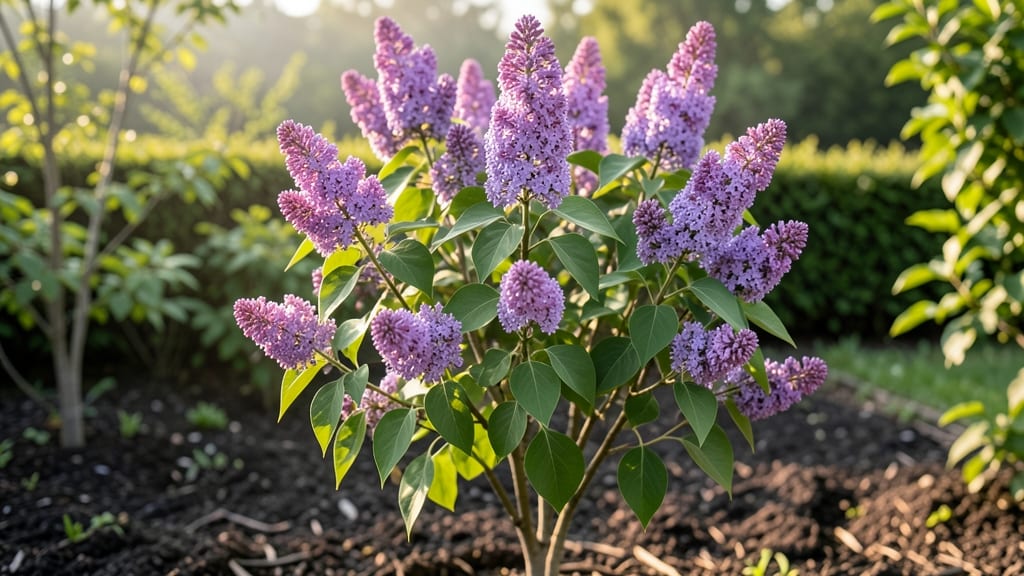
Your lilac tree’s perfect bloom time depends entirely on where you live—because these fragrant giants don’t follow a universal calendar. 🌸 In Zone 5, expect purple clouds in mid-May, while Zone 8 lilacs may still be showing off in late April or even early June.
The difference? It’s not just about latitude—it’s your microclimate, your specific cultivar, and whether you’ve been pruning like a pro (or not). What makes lilacs so finicky? They’re sensitive to winter chill hours—too little, and blooms get sparse. Too much, and they might wait until July.
Then there’s sunlight: full sun = earlier blooms, partial shade = delayed but more abundant flowers. My ‘Katherine Havemeyer’ lilac in full sun blooms two weeks ahead of the same variety tucked under my oak tree.
Here’s the game-changer: pruning after blooms (not before!) ensures next year’s flowers arrive on time. Cut back those spent stems now, and you’ll reward yourself with a more reliable bloom window.
The right timing also means you avoid the heartbreak of missed fragrance—because nothing beats that first whiff of lilac in spring. For regional precision, check your hardiness zone and cultivar tags—some lilacs bloom early (like ‘Dwarf Korean’), others late (like ‘Bloomerang’).
A quick Google search for your zone + “lilac bloom chart” will show you exactly when to expect your tree’s perfume explosion.
📚 In This Guide
- What you need
- Instructions
- Tips and common mistakes
- Wrapping up and next steps
What you need
- ● Lilac Tree Variety: Choose a variety suited to your USDA Hardiness Zone (e.g., Syringa vulgaris for Zones 3-7, Syringa meyeri for Zones 3-8).
- ● Pruning Shears: 1 pair (bypass pruners, 6-8" blades) for shaping and maintenance.
- ● Gloves: 1 pair (gardening gloves, heavy-duty for thorns).
- ● Watering Can or Hose: 1 (with adjustable nozzle for gentle watering).
- ● Mulch: 2-3 bags (organic mulch like shredded bark, 2-3 inches deep).
- ● Fertilizer: 1 (balanced 10-10-10 or lilac-specific fertilizer, 1 lb per tree).
- ● Bloom Time Chart: Printable or digital calendar for your zone (e.g., Zone 5 blooms mid-May).
- ● Soil pH Test Kit: 1 (to check soil acidity, aim for 6.0-7.0).
- ● Tree Stake or Support: 1-2 (for young saplings, 4-6 ft tall).
- ● Pest Monitoring Tools: Insect traps or neem oil (for aphids/borers).
- ● Camera or Journal: To document bloom progress and note yearly changes!
Instructions for timing lilac tree blooms in your climate Zone
Here's how I've learned to predict and encourage perfect lilac blooms year after year.
🌱 Step 1: Understand Your Lilac's Natural Bloom Window
Most lilac varieties bloom in late spring, typically between mid-April and early June, depending on your climate zone. Early bloomers like 'Sensation' open their buds in Zone 4-5 by late May, while late varieties like 'Katherine Havemeyer' wait until early June in Zone 6-7. I always check my local USDA zone map to confirm—this ensures I'm not expecting blooms too early in cooler areas.
Watch for bud swell as your first clue. These plump, green buds appear in late winter or early spring, about 2-3 weeks before blooming. In Zone 8-9, buds may swell as early as February, while in Zone 3-4, you might not see them until April. This timing varies based on winter chill hours—most lilacs need 400-600 hours below 45°F to set buds properly.
☀️ Step 2: Adjust Care Based on Your Zone's Spring Weather
In warmer zones (6-9), lilacs often bloom earlier but may suffer from heat stress. I water deeply once a week during bud formation to prevent wilting, and I avoid heavy pruning in the year before blooming—this ensures energy goes to flower production. Mulch with 2-3 inches of organic mulch in late winter to protect roots from temperature swings.
For cooler zones (3-5), I focus on frost protection. Lilac buds are sensitive to late frosts, so I monitor the forecast and cover tender buds with frost cloth if temperatures dip below 28°F after buds swell. In my Zone 4 garden, I've seen buds freeze and drop off completely—this is why I wait to prune until after blooming to avoid cutting off next year's flowers.
⏰ Step 3: Time Pruning for Optimal Next-Year Blooms
Prune lilacs immediately after blooming—never in fall or winter. This ensures you don't cut off next year's flower buds, which form on last year's growth. I use clean, sharp pruners to make cuts just above a bud or branch collar, never leaving stubs. Remove 1/3 of the oldest wood to encourage new growth and improve air circulation, which reduces disease risk.
If you prune at the wrong time, you risk removing all flower buds for the next season. I've made this mistake—once I pruned in late fall and woke up to a completely bare tree the following spring. Now I mark the blooming date on my calendar and set a reminder to prune within 2 weeks after the last flower fades.
💧 Step 4: Feed and Water for Peak Bloom Performance
Apply a balanced fertilizer (10-10-10) in early spring, just as buds begin to swell. I scatter the granules around the drip line and water them in thoroughly. Lilacs don't need heavy feeding, but this extra boost ensures vibrant blooms. In drought-prone zones (7-9), I water deeply every 10-14 days during the growing season to maintain moisture without overwatering.
Yellowing leaves or sparse blooms often signal over- or under-watering. I check soil moisture by sticking my finger 2 inches deep—if it's dry, it's time to water. Overwatering in heavy clay soils leads to root rot, while underwatering causes buds to drop off before opening. The key is consistent moisture without soggy soil.
Tips & tricks for perfect lilac bloom timing
These insider tricks will help you nail the ideal bloom window for your climate zone—no more missed fragrance seasons!
Climate Zone Mapping: Bookmark your USDA zone map now—it's the secret to predicting blooms accurately. I keep mine near my garden tools so I can quickly check when buds should swell. For example, if you're in Zone 5, expect 'Sensation' lilacs to bloom around late May, while Zone 7 gardeners should plan for early June. This simple reference prevents disappointment when buds don't appear on schedule.
Bud Swell Observation: Those 2-3 weeks before blooming are critical! I've learned to check for bud swell every 5 days starting in February for warm zones or April for cooler ones. Look for plump green buds that feel firm—this is your first real sign that blooming is coming. In my Zone 4 garden, I've seen buds appear as early as late March if winter wasn't too harsh.
Frost Protection Strategy: Never underestimate late spring frosts—they can wipe out buds in minutes. I keep frost cloth handy and monitor forecasts religiously after buds swell. When temperatures dip below 28°F, I cover buds immediately. This simple step saved my lilacs from complete failure last spring when we had a surprise frost in early May.
Pruning Reminder System: Mark your blooming date on your calendar the moment the last flower fades. I use colorful sticky notes so I don't miss it. Pruning within 2 weeks after this date ensures you preserve next year's buds. That fall pruning mistake I made years ago taught me this lesson the hard way—now I'm never late again!
Pro Tips for Lilac Tree Bloom Time
- These insider tricks will help you nail the ideal bloom window for your climate zone—no more missed fragrance seasons!
- Climate Zone Mapping: Bookmark your USDA zone map now—it's the secret to predicting blooms accurately.
- Bud Swell Observation: Those 2-3 weeks before blooming are critical!
Frequently asked questions
Got questions about lilac trees and their bloom time? You’re not alone! Here are some of the most common queries—plus quick, practical answers to help you plan and enjoy your lilacs to the fullest.
When do lilac trees typically bloom?
Lilac bloom time varies by zone and variety, but most burst into fragrant flowers between late April and early June. Early bloomers (like Syringa vulgaris) may appear as soon as March in warmer climates (Zones 5-7), while late varieties (e.g., Syringa meyeri) can bloom into June. Check your local frost dates—lilacs need chilly winters to set buds!
Why isn’t my lilac tree blooming this year?
No flowers? Don’t panic! Lilacs often skip blooming after heavy pruning in spring (they bloom on old wood) or if they’re stressed by drought, poor soil, or over-fertilization. Give it time—some trees take 2-3 years to recover. If it’s a young plant (<3 years old), it may still be establishing roots. Pro tip: Prune lilacs right after blooming to avoid cutting off next year’s flowers.
Can I control lilac bloom time?
While you can’t force lilacs to bloom earlier, you can extend their season slightly. Plant in a sunny, sheltered spot (they hate late frosts!) and water deeply during droughts. For longer blooms, choose reblooming varieties like ‘Bloomerang’ or ‘Dwarf Korean,’ which may produce a second flush of flowers in summer. Just remember: Lilacs are perennials, so patience is key!
What if I live in a warm climate (Zone 8+)?
Lilacs thrive in cool climates (Zones 3-7), but with the right care, you can grow them in warmer zones! Opt for heat-tolerant varieties like Syringa reticulata (Japanese tree lilac) or plant in partial shade to protect them from scorching sun. Mulch well, water deeply, and avoid planting in low-lying areas where heat lingers. Bonus: Some gardeners grow lilacs in containers for easier climate control!
Are there alternatives to traditional lilacs?
If lilacs seem high-maintenance, try these fragrant, low-fuss alternatives with similar bloom times:
- Mock orange (Philadelphus) – Creamy white flowers, blooms May-June.
- Deutzia – Delicate clusters, thrives in partial shade.
- Weigela – Bold pink/purple blooms, reblooms in summer.
- Dwarf lilac (Syringa meyeri) – Compact, cold-hardy, and fragrant!
Wrapping up and next steps
Now that you’re armed with the perfect lilac tree bloom time for your climate zone, it’s time to embrace the magic of these fragrant beauties!
Whether you’re planting new shrubs or simply admiring their splendor, lilacs bring joy and a touch of springtime charm to any garden. Next up: grab your pruners, mark your calendar, and get ready to enjoy the showstopping scent and color that lilacs deliver—year after year! 🌸✨