
Trees
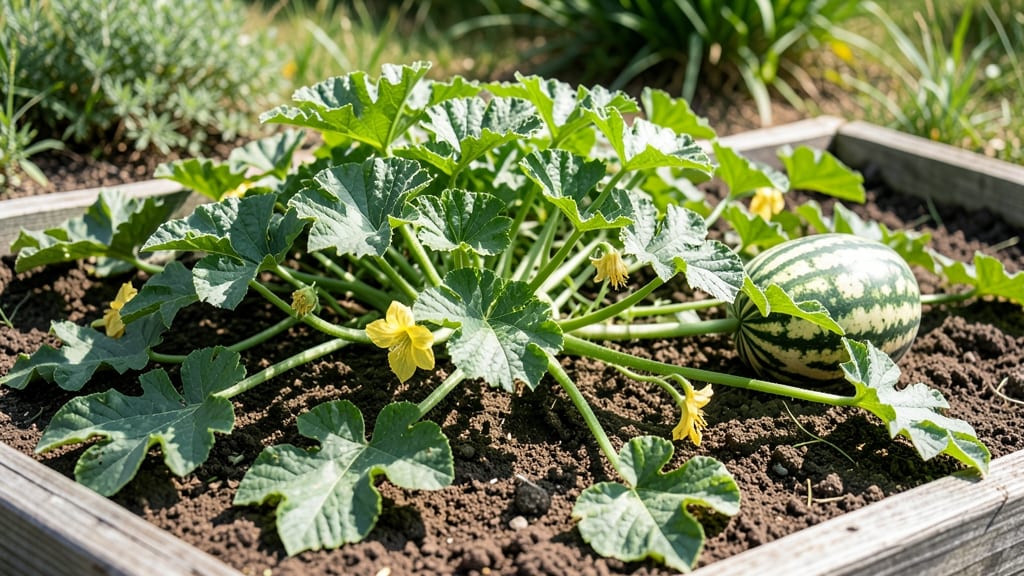
Your watermelon tree leaves whisper secrets about what's wrong—listen closely. 🌿 Yellowing edges? That's often a thirst signal, while brown spots scream fungal trouble. The good news? Pruning at the right time and place can turn those sad leaves into lush, productive vines before you know it.
Start by snipping off diseased or yellowed leaves with clean scissors—never tear them. Focus on the main stem and side branches, removing only what's clearly struggling.
Healthy leaves stay vibrant green, while weak ones look limp or spotted. After pruning, give your plant a morning watering to help it recover faster.
📚 In This Guide
- What you need
- Instructions
- Tips and common mistakes
- Wrapping up and next steps
What you need
- ● Pruning shears – Bypass-style, sharp, and sterilized (1 pair). Avoid dull tools—they crush stems!
- ● Gloves – Heavy-duty, cut-resistant (1 pair). Thorns are sneaky!
- ● Disinfectant – 70% isopropyl alcohol or hydrogen peroxide (small bottle). Prevents disease spread.
- ○ Pruning sealant – Optional but helpful for large cuts (small tube). Speeds healing on thick branches.
- ● Trash bag or bucket – For debris (1 large). Keep your workspace tidy!
- ● Ladder – Sturdy, extendable (if tree is >6 ft tall). Safety first!
- ● Hand lens/magnifier – For spotting pests (small pocket size). Early detection = happy trees!
- ● Labeling tags – If grafting or propagating (small pack). Avoid mix-ups with new growth!
- ● Sunscreen & hat – For sunny-day pruning. Because even trees don’t want you melting!
- ● Know your tree’s age – Young trees (
- ● Check the season – Best time: Late winter/early spring (before new growth).
- ● Weather window – Avoid pruning if rain is forecasted (24+ hours).
- ● Safety first! – Ensure no power lines or hazards nearby.
Step-by-Step guide to pruning citrullus lanatus (watermelon) vines for optimal health
Here's my battle-tested approach to pruning watermelon vines—where I've learned that less is often more for fruit production.
✂️ Step 1: Identify and Remove Weak Growth Early
Start pruning as soon as vines reach 12-18 inches tall, focusing on thin, leggy stems that angle upward more than 45 degrees from the main vine. These vertical growers compete with fruit production by sapping energy. Use clean, sharp pruners to make 45-degree cuts just above a leaf node with at least two healthy leaves—this encourages branching.
I always remove suckers (the small shoots growing from the leaf axils) when they're less than 3 inches tall. Larger suckers drain the plant's resources, and removing them later stresses the vine. Watch for yellowing leaves—these often signal overcrowding from unpruned growth.
🌿 Step 2: Train Main Vines Along Support Structures
Once the primary vines hit your trellis or stakes, guide them horizontally using soft plant ties. This creates a fan-shaped canopy that maximizes sunlight exposure to developing fruit. Leave only 2-3 main vines per plant—more creates shade and invites disease.
When pruning side branches, maintain a balanced structure where no single vine exceeds 6 feet in length. Cut back any lateral branches that grow longer than 2 feet without producing fruit. The goal is to keep the plant's energy focused on fruit development, not excessive foliage.
☀️ Step 3: Thin Foliage for Air Circulation and Sunlight
After fruit sets, reduce leaf density around developing melons by removing every other leaf on vines growing toward the fruit. This prevents powdery mildew and ensures full sun exposure for sweetening. Focus on leaves that cast shade directly on fruit—these create warm, humid microclimates perfect for fungal growth.
I make this my weekly habit during peak growing months. You'll know you're doing it right when you see even sunlight reaching all fruit surfaces and no leaves touching the ground (which rots stems). Always prune early in the day to allow wounds to dry before evening dew sets in.
⏰ Step 4: Adjust Pruning as Fruit Matures
When watermelons reach 6-8 inches in diameter, shift focus to preserving fruit-bearing vines. Stop removing suckers entirely and let secondary vines develop from the main stem—these often produce the largest fruit. At this stage, prune only dead leaves and vines with yellowing foliage.
Watch for fruit-bearing vines that grow straight upward—these need gentle downward training to prevent stem breakage. Support them with soft ties every 12 inches along their length. The key is balance: too much pruning reduces yield, but too little leads to small, seedy fruit.
Tips & tricks for pruning watermelon vines like a pro
These battle-tested strategies will help you transform your watermelon plants from chaotic tangles into productive powerhouses.
Tool Prep: Sterilize your pruners with rubbing alcohol between cuts to prevent spreading disease. I learned this the hard way after losing a third of my plants to bacterial wilt—clean tools are non-negotiable. Also, keep a small spray bottle of water nearby to mist fresh cuts; this helps prevent dehydration and speeds healing. The 45-degree angle mentioned in Step 1 works best when your blades are sharp—dull tools crush stems instead of making clean cuts.
Growth Angle Insight: That 45-degree threshold isn't arbitrary—it's based on how watermelon vines naturally grow. When stems angle above 45 degrees, they're competing with the main vine for sunlight and nutrients. Think of it like training a dog: you want the vine to follow your guidance (the trellis) rather than going rogue. For the upward-growing suckers in Step 1, I use my fingers to gently bend them toward the main vine before removing—this often encourages them to root where I want them to grow.
Fruit Development Focus: When you reach Step 3 and start thinning leaves, prioritize removing foliage that's directly shading fruit. I make it a point to rotate around the plant every few minutes to check all angles—watermelons need even sunlight to develop their signature sweetness. Pro tip: If you notice a fruit with uneven coloring, it's getting too much shade from one side. Remove the offending leaf immediately, and you'll see the color even out within days.
Seasonal Adjustments: In cooler climates, delay your early pruning (Step 1) until after the last frost when vines reach 12-18 inches. The plant needs all its energy to establish roots first. Conversely, in hot climates, prune more aggressively during Step 3 to prevent heat stress. I've found that watermelons in Zone 10+ actually benefit from removing every other leaf rather than just every other leaf toward the fruit—this creates better airflow during our long, dry summers.
Pro Tips for Watermelon Tree Leaves
- These battle-tested strategies will help you transform your watermelon plants from chaotic tangles into productive powerhouses.
- Tool Prep: Sterilize your pruners with rubbing alcohol between cuts to prevent spreading disease.
- Growth Angle Insight: That 45-degree threshold isn't arbitrary—it's based on how watermelon vines naturally grow.
Frequently asked questions
Got questions about your watermelon tree leaves? You’re not alone! Here are some of the most common queries gardeners ask—and the answers to keep your vines thriving.
Why are my watermelon tree leaves turning yellow?
Yellowing leaves (chlorosis) often signal nutrient deficiencies, like a lack of iron or magnesium, or overwatering. Check soil pH (ideal: 6.0–6.8) and amend with compost or chelated iron. Avoid soggy soil—watermelon trees hate "wet feet."
When is the best time to prune watermelon tree leaves for fruit production?
Prune in early spring (before new growth) or late winter to shape the tree and remove dead/diseased leaves. Avoid heavy pruning in summer—it stresses the plant and delays fruit set. Focus on airflow and light penetration to prevent fungal issues.
Should I prune watermelon tree leaves in winter?
Light pruning in dormant winter months (when the tree isn’t actively growing) is fine, but avoid heavy cuts. Cold snaps can stress newly pruned branches. Wait until after the last frost for major shaping—typically February–March in most climates.
Can I use watermelon tree leaves in cooking or tea?
While edible, watermelon tree (Citrus × meyeri) leaves are bitter and not commonly used in cooking. Some cultures steep them for tea (for digestion), but they’re not as flavorful as true watermelon rinds. Stick to pruning for fruit health—save the leaves for compost instead!
What do brown, crispy leaves mean on my watermelon tree?
Crispy brown edges usually mean underwatering or high heat stress. Check soil moisture (top 2 inches should be dry but not bone-dry). Mulch around the base to retain moisture, and water deeply 1–2 times per week (adjust for climate). Spider mites can also cause browning—spray with water or neem oil if pests are present.
Are there alternatives to pruning for managing watermelon tree leaves?
Yes! If pruning feels overwhelming, try these low-maintenance tips:
- Thin out leaves (not full pruning) to improve airflow.
- Use organic mulch (straw, wood chips) to reduce leaf diseases.
- Fertilize with balanced citrus food (10-10-10) to boost leaf health.
- Monitor for pests—remove affected leaves immediately.
Wrapping up and next steps
Mastering the art of pruning watermelon tree leaves is your secret weapon for a thriving vine and bountiful harvest! 🌱 By following the right techniques—like removing diseased foliage, thinning crowded branches, and balancing growth—you’ll ensure stronger plants, better air circulation, and juicier fruit.
Remember, consistency is key, so keep an eye on your vines and adjust as they grow.
Ready to put your new skills to work? Grab your pruners, roll up your sleeves, and give your watermelon tree the care it deserves! Start small, observe the results, and soon you’ll be enjoying a garden full of sweet, homegrown watermelons. Happy pruning! 🍉✨