
Trees
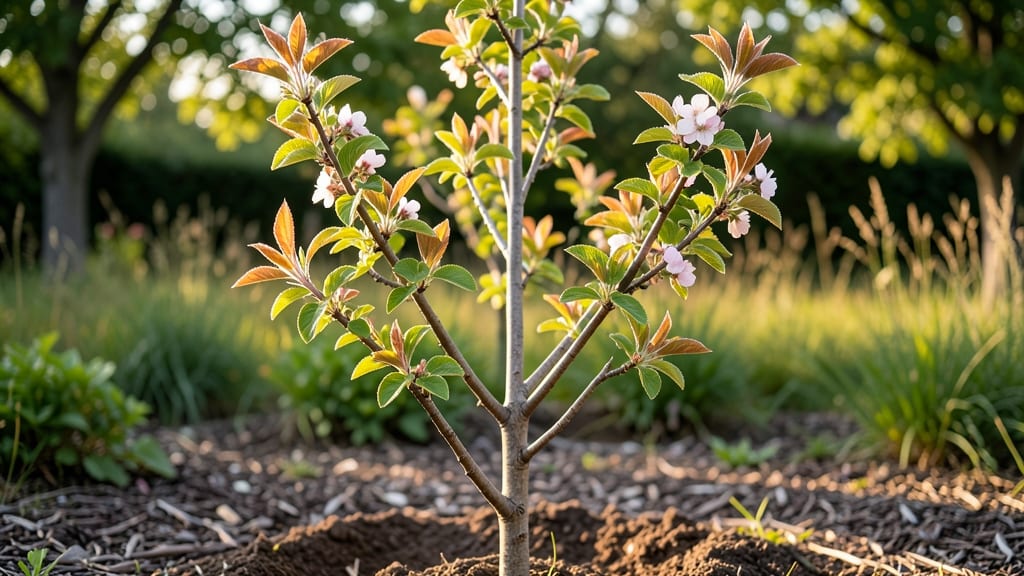
Your young apricot tree’s leaves tell the story of its health—if you know what to watch for. 🌿 Yellowing edges, curled fronds, or sticky residue aren’t just random quirks; they’re clues about what your tree needs (or what’s attacking it).
I’ve spent years fixing these exact issues in my own orchard, and the solutions are simpler than you’d think.
Most problems start with three key factors: pruning mistakes, hidden pests, or nutrient gaps. For example, powdery mildew loves crowded branches, while aphids drain leaves of their green vibrancy. The good news?
A sharp pair of pruners, neem oil, and a balanced fertilizer can turn things around—often in just a few weeks. I’ll walk you through the exact steps that work, whether your tree’s struggling with weak growth or sudden leaf drop.
By the end, you’ll spot early warning signs before they escalate, choose the right organic treatments (or when to call in the big guns), and prune like a pro to keep that canopy thick and productive.
No more guessing—just actionable fixes that actually work for home gardeners. Let’s get those leaves looking happy again.
We’ll cover everything from preventative care to emergency fixes, so you’re ready whether your tree’s leaves are just tired or under full-blown siege. The best part? Most solutions take less than 30 minutes and cost under $20. Here’s how to save your apricot’s future before summer heat makes things worse.
📚 In This Guide
- What you need
- Instructions
- Tips and common mistakes
- Wrapping up and next steps
What you need
- ● Pruning shears: Bypass pruners (sharp, 6-8" blades) for clean cuts on small branches.
- ● Loppers: 16-24" bypass or anvil loppers for thicker branches (up to 2" diameter).
- ● Hand saw: Pruning saw with 8-10" curved blade for stubborn, larger branches.
- ● Disinfectant: 70% isopropyl alcohol or diluted bleach solution (1 part bleach to 9 parts water) to sterilize tools between cuts.
- ○ Pruning sealant: Optional but recommended (e.g., Tanglefoot Tree Wound Pruning Seal) for cuts larger than ½".
- ● Gloves: Heavy-duty gardening gloves (nitrile or leather) to protect hands from thorns and sap.
- ● Ladder or step stool: Sturdy, extendable ladder (if tree exceeds 6 feet tall).
- ● Trash bags: Heavy-duty contractor bags (2-3) for collecting pruned branches and debris.
- ● Notebook & pencil: For sketching the tree’s structure before and after pruning.
- ● Tree growth regulator: e.g., Paclobutrazol (for controlling excessive growth in young trees).
- ● Sharpener: File or sharpening stone to keep blades razor-sharp.
- ● Safety gear: Safety goggles (to protect from flying debris).
- ● Spray bottle: With water to dampen dusty leaves while working.
- ● Tree training ties: Soft cloth or rubber ties to support young branches if needed.
Instructions for pruning young apricot tree leaves
Here's how I shape young apricot trees for strong, productive growth—no guesswork involved.
🌱 Step 1: Time Your First Pruning for Dormant Season
Prune your young apricot tree in late winter or early spring before buds swell but while it's still dormant. This timing prevents disease spread and promotes vigorous new growth. I always wait until after the last frost date in my zone—you'll see tight, closed buds ready to burst open when it's time.
Use clean, sharp pruners to make cuts just above a bud or branch collar (that swollen area where the branch meets the trunk). Avoid tearing bark—smooth cuts heal faster. If your tree is under 5 years old, expect to remove about 20-30% of the total growth to encourage an open center.
✂️ Step 2: Remove Dead, Weak, or Crossing Branches
Scan the canopy for dead wood (gray, brittle branches) or weak growth (thin stems with no buds). These compete with healthy branches for energy and should go first. I also cut out any branches growing straight inward—they'll rub against each other and create wounds that invite disease.
For crossing branches, remove the weaker of the two at its base. Look for branches with smaller diameter or those that grow at a shallower angle—these are your clues. Never leave stubs; always cut back to the branch collar so the tree can seal the wound properly.
☀️ Step 3: Thin the Canopy for Sunlight Penetration
Apricot trees need full sun to produce fruit, so aim for a canopy that lets light reach the inner branches. I focus on vertical spacing—remove branches that grow too close together (within 6-8 inches) to prevent crowding. You'll see new shoots emerging from the center after pruning; these signal the tree is opening up.
For young trees, prioritize scaffold branches (the main structural limbs). Select 3-5 well-spaced branches to form the framework, removing any that grow at acute angles (less than 45 degrees) to the trunk. These weak attachments often break under fruit weight later.
💧 Step 4: Clean Up and Monitor for New Growth
After pruning, rake up and dispose of all clippings—don't leave them under the tree. Wet debris can harbor fungal spores that infect fresh cuts. I sterilize my pruners with rubbing alcohol between cuts to prevent spreading disease from one branch to another.
Water the tree deeply after pruning to help it recover. Watch for new leaf growth in 4-6 weeks—this confirms the tree is responding well. If you see yellowing leaves or stunted growth, you may have pruned too aggressively. Adjust next year by removing less wood.
⏰ Step 5: Schedule Summer Pruning for Light Maintenance
In mid-summer, inspect the tree for suckers (vigorous shoots at the base) or water sprouts (fast-growing vertical shoots). These drain energy from fruit production. Pinch them off with your fingers or prune them back to a leaf bud. Avoid heavy pruning now—it stimulates late-season growth that won't harden off before winter.
This is also when I check for fruit spurs (small clusters of buds that will produce next year's crop). If they're crowded, thin them out to 3-4 buds per spur for larger, healthier fruit. You'll know you're on track when the tree's center is open and airy, with sunlight reaching all the way to the trunk.
Tips & tricks for pruning young apricot trees
These pruning secrets will help you avoid common mistakes and keep your apricot tree thriving for years.
Timing is Everything: The late winter/early spring window is critical for disease prevention and growth stimulation. If you're unsure about your last frost date, check your local extension office or use a frost calendar app. I once pruned too early and ended up with frost damage—don't make my mistake! The key visual cue is those tight, closed buds that haven't started swelling yet.
Branch Collar Matters: Always cut just above the branch collar (that swollen area where the branch meets the trunk) in Step 1. I learned this the hard way when I left stubs, and those wounds took months to heal properly. Use clean, sharp pruners and make smooth cuts at a 45-degree angle to prevent tearing. The branch collar contains healing tissues that help seal the wound faster.
Visual Cues for Healthy Branches: When selecting scaffold branches in Step 3, look for those growing at 45-degree angles or wider—they'll form strong structural limbs. I test branch strength by gently bending it—if it snaps easily, it's too weak to keep. For crossing branches, remember to remove the weaker one at its base, not where it crosses. This creates a cleaner wound and better healing.
Summer Maintenance Tip: In mid-summer, focus on removing suckers and water sprouts immediately—they're energy vampires that drain resources from fruit production. I use my fingers to pinch them off rather than cutting, which prevents creating new wounds. For fruit spurs, aim to leave 3-4 buds per cluster to ensure larger, healthier fruit next season.
Pro Tips for Young Apricot Tree Leaves
- These pruning secrets will help you avoid common mistakes and keep your apricot tree thriving for years.
- Timing is Everything: The late winter/early spring window is critical for disease prevention and growth stimulation.
- Branch Collar Matters: Always cut just above the branch collar (that swollen area where the branch meets the trunk) in Step 1.
Frequently asked questions
Got questions about nurturing your young apricot tree’s leaves? You’re not alone! Here are some of the most common queries—plus expert answers to keep your tree thriving.
When is the best time to prune young apricot tree leaves for optimal growth?
The ideal time to prune is late winter or early spring (before buds swell) or summer after harvest. Avoid pruning in fall—it can stimulate new growth that won’t harden off before winter. For young trees (<3 years old), focus on shaping rather than heavy cuts to encourage a sturdy framework. Pro tip: Prune on a dry, overcast day to reduce stress on the tree.
Why are my young apricot tree leaves turning yellow or curling?
Yellowing or curling leaves often signal nutrient deficiencies (like nitrogen or zinc), pests (aphids, spider mites), or disease (e.g., bacterial spot). Check the undersides of leaves for pests and inspect for spots or lesions. Quick fix: Apply a balanced fertilizer (10-10-10) and neem oil spray if pests are present. If issues persist, consult a local arborist.
How much should I trim back my young apricot tree’s leaves or branches?
For young trees, aim to remove no more than 20-25% of the canopy in a single pruning session. Focus on:
- Dead, diseased, or crossing branches
- Suckers at the base
- Water sprouts (fast-growing vertical shoots)
Can I use apricot tree leaves for anything other than pruning?
Apricot leaves are edible and nutritious (high in vitamin A and antioxidants), though they’re bitter and astringent when raw. Young, tender leaves can be:
- Steeped in tea (like herbal infusion)
- Used in cooked dishes (e.g., soups, pestos) after blanching
- Composted
What should I do if my apricot tree leaves are dropping prematurely?
Premature leaf drop can stem from underwatering, overwatering, extreme heat, or root issues. First, check the soil moisture—apricot trees prefer well-draining soil and consistent watering (1-2 inches per week). If roots are exposed or soil is waterlogged, improve drainage by adding organic matter (compost or mulch). Emergency tip: Mulch around the base (2-3 inches deep) to retain moisture and regulate temperature.
Wrapping up and next steps
Cultivating a thriving young apricot tree starts with mastering the art of pruning—especially those delicate, vibrant young apricot tree leaves. By following the right techniques, you’ll encourage a lush canopy, boost fruit production, and keep your tree healthy for years to come. 🌿✨
Now that you’re armed with the knowledge, grab those pruners and get to work! Start with small adjustments, monitor your tree’s response, and refine your approach over time. Your apricot tree’s future bounty begins with the cuts you make today.