
Trees
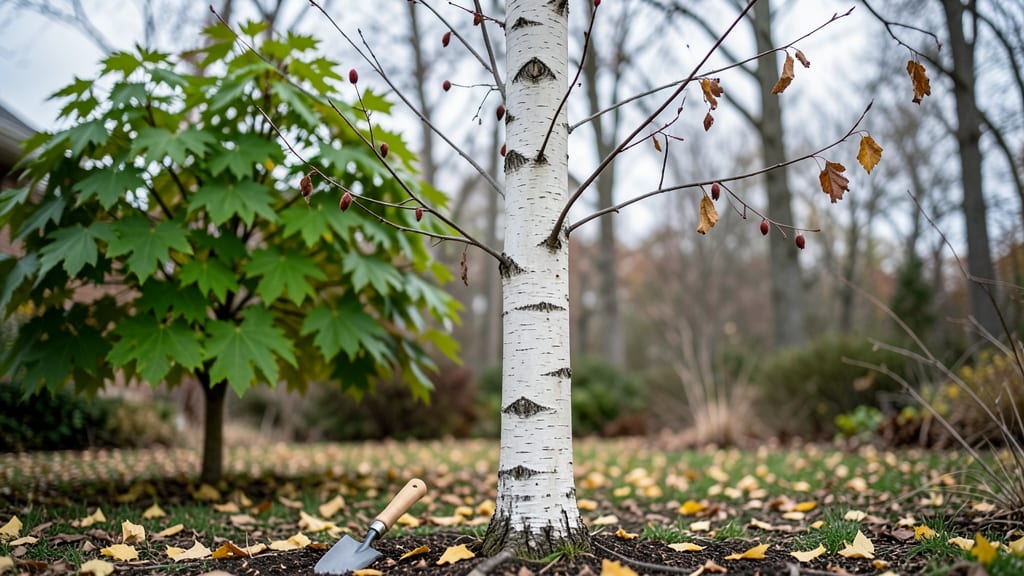
Is a tree dead if it has no leaves? Not necessarily—it might just be playing the long game. 🌳 I've seen gardeners panic over bare branches in winter, only to watch the same tree burst back to life with spring's first warmth.
Deciduous trees shed leaves to conserve energy, while evergreens might just be resting for the season.
The real test starts with a simple scratch: peel back a small patch of bark. Healthy trees reveal green layers underneath, while dead ones show brown or crumbly wood.
Check for buds too—if they're still firm and plump, your tree is just hibernating. Even a few stubborn leaves clinging to branches can mean life's not over yet.
By spring, you'll know for sure when new growth appears. A truly dead tree stays bare, with brittle branches that snap easily. But if you see fresh green pushing through, you've got a survivor on your hands—one that's been quietly storing energy all winter long.
This works for backyard trees, container-grown specimens, and even those tricky evergreens that sometimes drop needles. Give it time, and don't rush to judgment—some of the best trees take their time coming back to life.
Natural Triggers Behind Leaf Loss
When a tree sheds its leaves, it’s often a survival strategy—not a death knell. Understanding the why behind leaf loss helps distinguish between a tree resting and one in distress. Here’s a breakdown of the most common causes, backed by science and actionable insights.
Most trees enter a dormant state during winter or dry seasons as a protective mechanism. Here’s how it works:
- Temperature Drop: Cold weather triggers the production of abscisic acid, a plant hormone that signals leaves to detach. This conserves water and energy, preventing frost damage to still-active tissues.
- Photoperiodism: Shorter daylight hours (especially <12 hours of light) activate genes that halt leaf production and promote senescence (aging). Deciduous trees like oaks and maples rely on this cue.
- Nutrient Recycling: Before shedding, trees reabsorb up to <60% of nutrients (like nitrogen and phosphorus) from leaves, storing them in roots and stems for spring regrowth.
Actionable Tip: 💡 If your tree loses leaves in fall/winter but retains a sturdy bark and buds, it’s likely dormant. Wait until spring to assess health—new leaves should emerge by late April or May.
Drought or poor water management forces trees to prioritize core functions over foliage. The science:
- Xylem Cavitation: When soil moisture drops below <30% of field capacity, air bubbles form in the tree’s water-conducting vessels (xylem), disrupting nutrient flow. Leaves, being the most water-demanding organs, are sacrificed first.
- Root Signal Molecules: Stressed roots release ethylene and abscisic acid, accelerating leaf abscission (detachment). This is why drought-stressed trees often drop leaves suddenly.
- Species Variability: Some trees (e.g., Pinus species like ponderosa pine) shed needles in drought, while others (e.g., Quercus oaks) may wilt and drop leaves entirely.
Pro Tip: 🌡️ Check soil moisture 3 inches deep—if it’s dry, water deeply (1–2 inches per week) and mulch to retain moisture. Evergreens may lose needles in drought but can recover with proper care.
Extreme or abrupt changes can trigger leaf loss as a last-resort defense. Common culprits:
| Trigger | Mechanism | Recovery Signs |
|---|---|---|
| Frost Damage | Ice crystals rupture leaf cell membranes, causing oxidative stress. The tree sheds damaged leaves to prevent further harm. | New growth in spring; no blackened bark or oozing sap. |
| Salt Exposure | High salt levels (e.g., from road de-icing) disrupt osmosis, dehydrating cells. Leaves wilt and fall within days. | Flushing soil with fresh water; new leaves appear within 2–4 weeks. |
| Windthrow or Storm Damage | Physical trauma severs vascular connections, starving leaves of water. The tree “prunes” itself to redirect resources. | Sprouting from the base or lateral buds. |
Key Indicator: 🎯 If leaf loss follows a sudden event (e.g., a late frost or construction nearby), monitor for new growth. Trees often bounce back if roots and trunk remain intact.
Insects, fungi, and bacteria can hijack a tree’s resources, leading to premature defoliation. Here’s how:
- Sap-Sucking Insects (e.g., Spider Mites, Aphids): These pests inject toxins while feeding, disrupting photosynthesis. The tree’s response? Abscission to limit damage.
- Fungal Infections (e.g., Anthracnose, Powdery Mildew): Pathogens clog stomata (leaf pores), suffocating the tree. Infected leaves turn brown and fall to stop spore spread.
- Bacterial Leaf Scorch: Bacteria like Xylella fastidiosa block xylem vessels, causing wilting. Leaves crisp and drop, but the tree may survive if the trunk remains healthy.
Action Steps: 🔥 Inspect undersides of leaves for eggs, webbing, or fungal spots. Treat with neem oil (for pests) or copper fungicides (for diseases) before buds swell in spring.
Leaf loss isn’t always a death sentence—it’s often a tree’s way of adapting. By recognizing the why, you can tell whether your tree is resting, struggling, or silently calling for help.
Revive a Leafless Tree Step-by-Step
If your tree has shed its leaves but isn’t yet dead, don’t panic—there’s still hope! The key is identifying the root cause and taking action before permanent damage occurs.
Below, we break down practical solutions tailored to common reasons for leafless trees, along with proactive tips to keep your tree thriving.
If your tree is simply resting during winter or early spring, it’s not in distress—it’s just conserving energy. However, you can still support its health during this phase.
✨ What to Do:
- 🌡️ Monitor Temperature Shifts: Ensure the tree isn’t exposed to sudden freezes or thaw cycles, which can stress it. Use mulch (2–4 inches thick) around the base to insulate roots.
- 💧 Water Sparingly: Dormant trees need less water, but a deep soak every 4–6 weeks (unless frozen) prevents dehydration. Avoid soggy soil—aim for moist but not waterlogged.
- 🌿 Prune Dead Branches: Trim any brown, brittle limbs (use clean, sharp pruners) to redirect energy to healthy growth. Focus on V-shaped crotches where branches meet the trunk.
💡 Prevention Tips:
- 🌳 Choose Cold-Hardy Species: If your area has harsh winters, opt for native trees like oak, maple, or pine, which are adapted to dormancy.
- 🍂 Avoid Late-Season Fertilizing: Stop fertilizing 6–8 weeks before the first frost—new growth is vulnerable to cold damage.
If pests (like spider mites, borers, or aphids) or diseases (e.g., fungal infections) are to blame, act fast to prevent spread.
🔥 What to Do:
- 🐜 Identify the Culprit: Look for holes in bark, sawdust-like frass, or sticky sap (signs of borers). Yellowing leaves with webbing may indicate mites.
- 🧴 Apply Targeted Treatments:
- For Insects: Use neem oil (mix 2 tbsp per gallon of water) or insecticidal soap. For severe infestations, consult a tree care professional about systemic pesticides.
- For Fungal Issues: Prune infected branches 6 inches below the damage and sterilize tools with rubbing alcohol. Apply copper fungicide as directed.
- 🌿 Improve Airflow: Thin out dense foliage (if any remains) to reduce humidity, which fungi love.
💡 Prevention Tips:
- 🌡️ Inspect Regularly: Check for early signs of pests spring and fall, when they’re most active.
- 🌱 Strengthen Tree Health: Healthy trees resist pests better. Water deeply during droughts and mulch annually to deter fungal spores.
Poor soil, compacted roots, or drought stress can cause leaf drop. Reviving the root system is critical.
🍳 What to Do:
- 🌱 Test Your Soil: Use a DIY soil test kit (available at garden centers) to check pH and nutrient levels. Most trees prefer slightly acidic (6.0–7.0) soil.
- 💦 Hydrate Properly:
- Drought Stress: Water slowly and deeply (1–2 inches per week) using a soaker hose or drip irrigation. Avoid shallow watering, which encourages weak roots.
- Overwatering: If soil is soggy, improve drainage by adding organic matter (compost or peat moss) and avoid watering until the top 2 inches of soil are dry.
- 🌿 Aerate Compacted Soil: Use a garden fork to loosen soil around the root zone (be careful not to damage roots). For large trees, hire a professional to aerate deeply.
💡 Prevention Tips:
- 🌳 Plant in the Right Spot: Ensure your tree has 6+ feet of space from structures and other plants to avoid root competition.
- 🍂 Mulch Like a Pro: Use 3–4 inches of mulch (wood chips or shredded bark) but keep it 6 inches away from the trunk to prevent rot.
Storm damage, improper pruning, or construction trauma can leave trees leafless. Focus on structural repair and recovery.
🔪 What to Do:
- 🌿 Prune Safely: Remove broken or hanging branches with clean cuts at the branch collar (the swollen area where the branch meets the trunk). Avoid topping (cutting back to a stub)—this stresses the tree.
- 🛠️ Support Weak Structures: If large branches are partially detached, use tree cabling or bracing (consult an arborist) to stabilize the tree until it heals.
- 🌱 Fertilize Lightly: Apply a balanced, slow-release fertilizer (10-10-10) in early spring to aid recovery.
💡 Prevention Tips:
- 🌳 Prune in Late Winter: Schedule pruning before bud break (late winter/early spring) to minimize stress.
- 🏗️ Protect During Construction: If building near trees, shield roots with barriers and water deeply during dry spells.
With the right care, many leafless trees can bounce back—especially if they’re not yet dead. Start with the most likely cause, act promptly, and give your tree time to recover. For severe cases, don’t hesitate to call a certified arborist for expert guidance.
Frequently asked questions
Why do some trees keep their leaves year-round while others lose them?
Evergreens like pines and spruces retain leaves (needles) because they've evolved to photosynthesize slowly in cold weather. Deciduous trees like oaks and maples shed leaves to conserve water and energy during winter dormancy. The difference comes down to climate adaptation—evergreens thrive in cooler, wetter climates where they can keep growing year-round.
Can a tree be alive if it has no leaves but still has buds?
Buds are a strong sign of life—even if the tree looks completely bare. These buds contain next year's leaves and flowers, and they'll only swell and open if the tree is still alive. Check for plump, firm buds along the branches. If they're present, your tree is likely just dormant and will regrow when conditions improve.
How can I tell if a bare tree is dead versus just dormant?
Perform the "scratch test": peel back a small section of bark. Healthy trees reveal green underneath, while dead ones show brown or crumbly wood. Also check for flexibility—live branches bend slightly, while dead ones snap easily. If you see any green at all (even just a few stubborn leaves), the tree is likely still alive.
Will my leafless tree come back if I water it more?
Only if the tree is actually alive! Watering helps dormant trees survive winter, but it won't revive a dead one. For deciduous trees, water deeply once every 4-6 weeks during dormancy. Evergreens need more frequent watering (every 2 weeks) if the ground is dry. The key is proper timing—overwatering in winter can actually harm roots.
What's the fastest way to confirm if my tree is dead?
Look for these clear signs of death: no buds, completely dry branches, and bark that peels away easily. You can also try the "tap test"—knock on the trunk with a stick. A hollow sound means it's dead, while a solid thud suggests life remains. If you're still unsure, wait until spring when new growth should appear if the tree is alive.