
Flowers
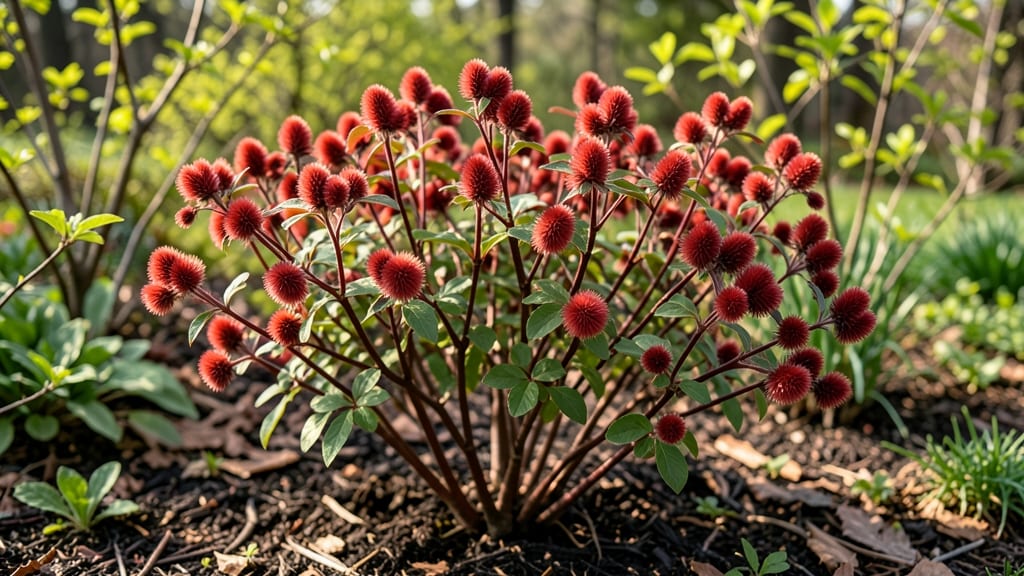
That red fuzzy flowered tree could be the bold statement your spring borders desperately need. 🌸 I first spotted one in a neighbor’s yard and instantly fell for its velvety blooms that look like they’re dusted with rose petals—it’s the kind of plant that makes passersby stop and stare.
These trees aren’t just pretty; they’re seasonal superstars, offering drama from late spring through early summer before their foliage takes over as the real showstopper.
The most common culprit is the redbud tree (Cercis canadensis), though varieties like ‘Ruby Falls’ or ‘Forest Pansy’ (with its burgundy leaves) bring even more color to the party.
They thrive in full sun to partial shade and handle most soils—even urban conditions—so they’re surprisingly low-maintenance for such a showy plant. Pair them with bleeding hearts or dwarf irises to extend the spring spectacle, and their smooth bark adds winter interest too.
Imagine this: your front yard becomes the talk of the neighborhood when that first flush of fuzzy red blooms appears, weeks before most trees even think about waking up. The flowers are so striking they’ll make your garden feel like a secret garden straight out of a storybook.
Plus, they’re pollinator magnets—bees and butterflies will flock to them, adding life to your borders in ways no annual could.
Perfect for small yards, city landscapes, or as a focal point in larger gardens. Just plant it where you’ll see it every day—because once those flowers appear, you’ll never want them to fade. Let’s talk placement and pairing ideas next!
Behind The Blooms Bold Colors
The striking red fuzzy flowers you’re admiring on that spring border aren’t just a fluke of nature—they’re the result of a fascinating mix of biology, genetics, and environmental cues. Let’s break down the science behind why these blooms burst with such vibrant, velvety charm.
Every tree’s floral palette is hardwired into its DNA. For those red fuzzy flowers, the pigment comes from anthocyanins, water-soluble compounds that act like natural sunscreen for the plant. These antioxidants protect delicate petals from UV damage while giving them their signature hue.
- Why red? Anthocyanins shift color based on pH—acidic conditions (like those in many soil types) produce reds, while alkaline soils lean purple.
- Fuzzy texture? Tiny hairs (trichomes) on petals deter pests and reduce water loss, creating that plush feel.
Pro tip: If your tree’s blooms are fading to pink, check soil pH—adding sulfur (to acidify) can intensify red tones! 🌡️
Sunlight isn’t just energy—it’s a switch for anthocyanin production. Trees like Cornus florida (dogwood) or Hamamelis (witch hazel) crank up red pigments when exposed to full sun during blooming season. Here’s how it works:
| Sunlight Level | Anthocyanin Effect |
|---|---|
| Direct sun (6+ hours/day) | Maximizes red intensity; petals stay thick and fuzzy. |
| Partial shade (3–5 hours) | Muted colors; flowers may appear paler or less fuzzy. |
| Deep shade (<3 hours) | Minimal pigment; blooms may lean greenish or sparse. |
Actionable fix: Prune nearby trees to ensure your star tree gets morning sun—this is when anthocyanins peak! ⏰
Believe it or not, drought stress can make red fuzzy flowers even more vibrant. When roots struggle to absorb water, the tree signals petals to produce more anthocyanins as a protective response. But there’s a fine line:
- ✅ Mild stress: Slight water restriction = deeper reds (common in wildflower species).
- ❌ Severe drought: Flowers may shrivel or drop prematurely.
- 🌧️ Overwatering: Dilutes soil nutrients, weakening pigment production.
Balancing act: Water deeply 1–2 times per week during bloom season, then let the top inch of soil dry out. Think of it as a spa day for your tree—just enough tension to sparkle! ✨
Temperature and pollinators play sneaky roles too. Cooler springs (50–60°F) slow metabolic processes, concentrating anthocyanins for richer colors. Meanwhile, bees and butterflies prefer red fuzzy blooms—their fuzzy texture traps pollen, making them more efficient feeding stations.
This mutualism ensures the tree invests in showy, high-pigment flowers year after year.
Fun fact: Some trees (like Weigela) time their blooms to align with early pollinators. If you see sparse fuzzy flowers, check for late frosts—these can delay or damage buds. 🐝
Revive Your Blooming Beauty
If your tree with vibrant red fuzzy flowers isn’t thriving, don’t fret—most issues have simple fixes! Below, we’ve mapped common problems to practical solutions, so you can bring back that stunning spring border showstopper. Remember: early action is key, and prevention keeps your tree happy long-term.
If the soil feels soggy, roots may suffocate, leading to yellowing leaves or stunted blooms.
Fix It:- 🔥 Check drainage: Dig a small hole near the tree. Fill it with water—if it doesn’t drain within 30 minutes, amend the soil with perlite or sand (1 part additive to 3 parts soil).
- 🍳 Adjust watering: Water deeply once a week (or less in rainy seasons) instead of frequent shallow soaks. Stick your finger 2 inches into the soil—if it’s damp, wait.
- 👨🍳 Raise the root zone: For container trees, ensure pots have drainage holes. For in-ground trees, mound soil slightly around the base to improve airflow.
✨ Mulch wisely: Spread 2–3 inches of organic mulch (like bark chips) away from the trunk to retain moisture without smothering roots.
Drooping leaves or crispy edges? Your tree might be thirsty or struggling with summer heat.
Fix It:- 🥘 Water deeply: Slowly pour 10–15 gallons of water at the base (adjust for tree size). Use a soaker hose for even distribution.
- 🌡️ Provide shade: If possible, temporarily shade the tree with a lightweight cloth during peak sun (10 AM–4 PM). Avoid plastic, which traps heat.
- 💡 Morning care: Water early in the day to reduce evaporation and fungal risks.
🎯 Group plants: Cluster your tree with other plants to create a microclimate that retains moisture and cools the air.
Holes in leaves, sticky residue, or fungal spots? Pests or diseases could be stealing your tree’s vitality.
Fix It:| Problem | Solution |
|---|---|
| 🐜 Aphids, spider mites, or scale: Tiny pests on stems/leaves. | Spray with neem oil (1 tsp per quart of water) or insecticidal soap. Repeat weekly until pests vanish. |
| 🍄 Powdery mildew or leaf spot: White fuzzy patches or brown spots. | Prune affected leaves, then spray with baking soda mix (1 tsp baking soda + 1 quart water + a drop of dish soap). Water in the morning to dry quickly. |
| 🪰 Boring insects (e.g., bark beetles): Sawdust-like frass near the trunk. | Apply diatomaceous earth around the base or use a borer-specific insecticide (follow label instructions). |
🔥 Encourage beneficial bugs: Plant marigolds or lavender nearby to attract ladybugs and lacewings, which devour pests.
Brown, mushy stems or delayed blooms? Cold snaps can shock your tree.
Fix It:- 🔪 Prune dead wood: Cut back any blackened or brittle branches with sterilized shears in early spring.
- ⏰ Protect new growth: Wrap the tree with burlap or frost cloth if a late frost is forecasted (especially for tender varieties).
💪 Hardening off: Gradually expose potted trees to cooler temps 2 weeks before the first frost to build resilience.
Pale leaves or sparse blooms? Your tree might need a boost.
Fix It:- 📊 Test the soil: Use a home soil test kit (available at garden centers) to check pH and nutrient levels. Aim for a slightly acidic pH (6.0–7.0) for most flowering trees.
- 🍎 Feed right: Apply a balanced fertilizer (10-10-10) in early spring, then switch to a low-nitrogen, high-phosphorus formula (5-10-10) when buds form to encourage blooms.
- 🌱 Organic options: Mix compost or worm castings into the top 6 inches of soil for slow-release nutrients.
✨ Feed consistently: Fertilize every 6–8 weeks during the growing season (spring to fall) to avoid nutrient spikes or crashes.
Frequently asked questions
Which trees have those iconic red fuzzy flowers?
The most famous is the redbud tree (Cercis canadensis), especially varieties like 'Ruby Falls' with cascading blooms. Other stars include weigela (with trumpet-shaped flowers) and crabapple trees like 'Sargent'—their fuzzy pinkish-red buds unfurl into showy clusters. For long-lasting color, try dogwood ('Cherokee Brave') with its velvety pink-red flowers that appear before leaves.
Why do these flowers look fuzzy?
That plush texture comes from trichomes—tiny hair-like structures on petals that protect against pests and reduce water loss. These hairs also help trap pollen, making the flowers extra attractive to bees and butterflies. Think of them as nature's built-in insulation! The fuzziness often fades slightly as flowers age, but early blooms stay the most velvety.
Can I grow these trees in containers?
Dwarf varieties like 'Covey' redbud or 'Little Princess' weigela thrive in 15-20 gallon containers with drainage holes. Use well-draining potting mix and repot every 2-3 years. Place containers where they get at least 6 hours of morning sun—afternoon shade helps prevent leaf scorch. Just remember to water more frequently than in-ground plants.
How do I make the red color more vibrant?
Sunlight is your best friend—plant in full sun (6+ hours/day) for the deepest reds. Test your soil pH (aim for 6.0-7.0); slightly acidic conditions boost anthocyanin production. A light drought stress can also intensify color, but don't let the soil dry completely. For extra drama, prune nearby shade trees to ensure your star tree gets morning light when buds form.
Are these flowers toxic to pets?
Most red fuzzy-flowered trees are non-toxic to dogs and cats, but crabapple varieties can cause mild stomach upset if ingested in large quantities. The redbud tree is generally safe, though its seeds contain cyanogenic glycosides (like bitter almonds) that could be harmful if chewed in massive amounts. When in doubt, consult your vet or ASPCA's plant database.