
Pruning
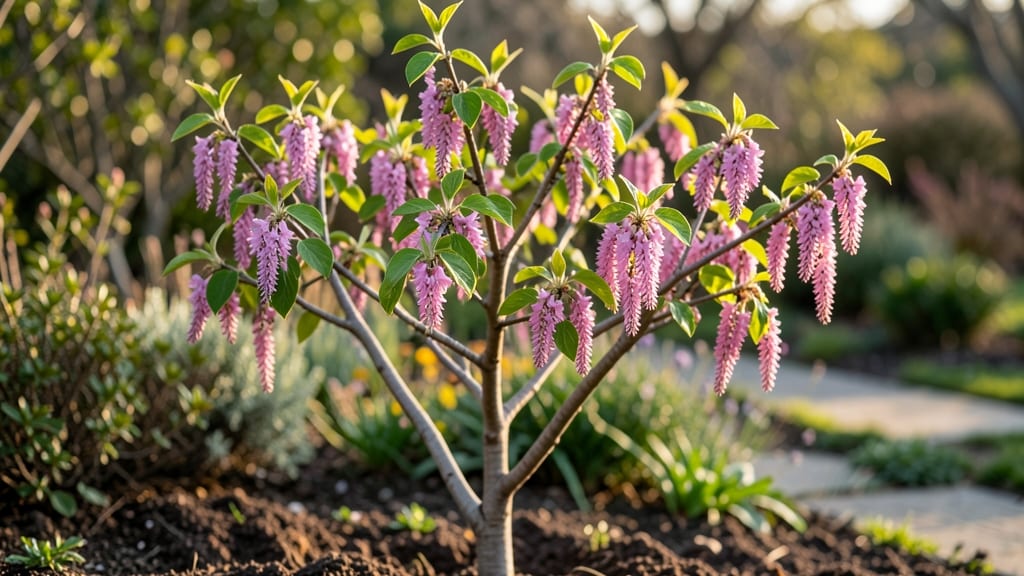
A small redbud tree 🌸 brings vibrant spring blooms and elegant foliage to even the tightest spaces without sacrificing beauty.
Struggling to find a beautiful, low-maintenance tree that fits your small yard or container garden? The redbud tree—especially its compact varieties—delivers stunning spring blooms, rich foliage, and minimal space requirements, making it the perfect solution for tight spaces.
These trees thrive in USDA Zone 6a and beyond, adapting to everything from urban balconies to suburban front yards. With the right variety—like the 'Oklahoma' or 'Forest Pansy'—you can enjoy a tree that stays under 12 feet tall while still making a bold statement.
In this guide, you’ll discover how to plant, prune, and care for your small redbud tree to keep it healthy, blooming, and perfectly sized for years to come.
Top 5 small redbud tree varieties for limited spaces
If you're dreaming of a stunning spring display without sacrificing yard space, compact redbud trees are your answer. These dwarf varieties deliver vibrant blooms, lush foliage, and minimal maintenance—perfect for small gardens, urban courtyards, or even large containers.
With mature heights ranging from 8 to 15 feet, they fit seamlessly into tight spaces while still making a bold statement. Let’s explore the top 5 small redbud varieties that will transform your limited space into a year-round garden showstopper.
Choosing the right redbud cultivar depends on your space constraints, climate zone, and design goals. Some varieties thrive in containers, while others excel in small landscapes with multi-season interest.
Whether you prefer classic pink blooms or unique foliage colors, there’s a compact redbud tailored to your needs. Below, we’ll compare their growth habits, size at maturity, and ideal growing conditions to help you make an informed decision.
'Oklahoma' is my top pick for small spaces because it stays under 12 feet tall while still producing showy magenta-pink blooms in early spring. This dwarf redbud thrives in containers or as a specimen plant in tight gardens.
Its green foliage turns golden yellow in fall, adding extra seasonal interest. If you’re working with limited sunlight, 'Oklahoma' adapts well to partial shade, making it versatile for urban courtyards or north-facing yards.
Just ensure it gets at least 4 hours of morning sun for optimal bloom production.
'Forest Pansy' steals the show with its deep purple foliage and pink spring blooms, creating a striking contrast that’s perfect for shade gardens or as a focal point in small landscapes. This variety reaches 12-15 feet but grows slowly, so it won’t outgrow its space quickly.
The purple leaves add a dramatic touch to mixed borders or when planted near evergreens for year-round color. For best results, pair it with mulch to retain moisture and protect roots during hot summers.
Looking for a weeping habit to add texture and drama? 'Ruby Falls' is a compact weeping redbud that stays under 10 feet tall, making it ideal for containers or small patios. Its deep pink blooms cascade
How to grow and care for compact redbud trees
The compact redbud tree (Cercis canadensis) is a dream for small gardens, offering vibrant spring blooms and minimal space needs. Unlike its larger counterparts, these varieties stay under 10 feet tall, making them perfect for urban yards, patios, or even large containers.
My go-to varieties include 'Oklahoma' (8-10 ft) and 'Forest Pansy' (10-12 ft), both known for their disease resistance and adaptability.
To ensure your small redbud thrives, start with the right planting conditions. These trees prefer well-draining soil with a slightly acidic to neutral pH (6.0-7.0). Amending heavy clay with compost or sand improves drainage, while mulching retains moisture and regulates soil temperature.
A sunny location with at least 4-6 hours of light daily is ideal, though they tolerate partial shade in hot climates.
- 🌱 Soil Prep: Mix 1 part compost with 2 parts native soil to create a nutrient-rich bed. Avoid compacted or waterlogged areas.
- ☀️ Sunlight Needs: Plant in full sun to partial shade. South-facing spots work best, but east or west exposure also suits compact varieties.
- 💧 Watering Schedule: Water deeply 2-3 times per week for the first year, then reduce to once weekly once established.
- ✂️ Pruning Tips: Prune in late winter or early spring before new growth appears. Remove dead branches and shape to maintain a balanced canopy.
- 🌿 Seasonal Care: Apply a 2-inch mulch layer in spring and fertilize with 10-10-10 balanced fertilizer in early spring and again in mid-summer.
Pruning is key to keeping your compact redbud small. I recommend light pruning annually to remove crossing branches or those growing inward. For size control, prune back 1/3 of the new growth in late winter.
Avoid heavy pruning, as redbuds bloom on old wood—cutting too much can reduce next year’s flowers. Always use sterilized pruners to prevent disease spread.
Seasonal care ensures your small redbud stays healthy year-round. In spring, watch for aphids or scale insects and treat with neem oil if needed. Summer requires consistent watering, especially during droughts, but avoid overwatering to prevent root rot.
In fall, remove fallen leaves to reduce pests, and in winter, protect young trees from frost with a light burlap wrap if temperatures drop below 10°F.
Container growing is another great option for urban spaces. Choose a 15-20 gallon pot with drainage holes and use a fast-draining potting mix. Compact varieties like 'Lavender Twist' thrive in containers, but they’ll need regular watering (every 5-7 days) and annual repotting to refresh the soil.
Place containers in morning sun to prevent heat stress.
With the right care, your compact redbud tree will reward you with years of colorful blooms and lush foliage. Whether planted in the ground or a container, these trees add year-round interest—from spring flowers to fall foliage.
Start with well-prepared soil, prune wisely, and enjoy your low-maintenance beauty for decades! 🌸