
Flowers
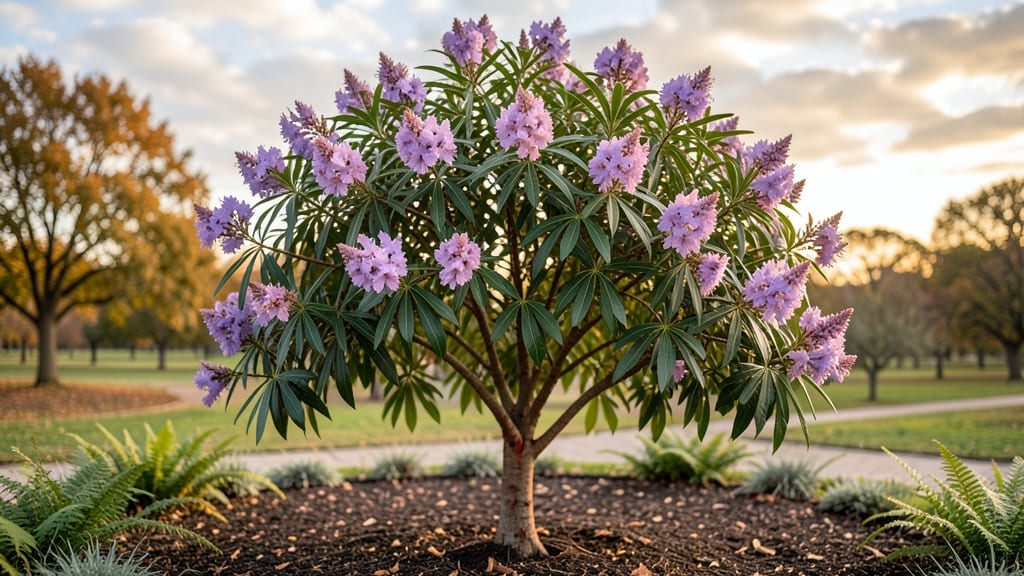
Warm climates finally have a fragrant tree with lilac flowers found in warm climates that won’t quit—crape myrtles (Lagerstroemia) bring summer-long color and intoxicating scent without fuss. 🌸 I’ve grown them in full sun for years, and they’ve never failed to reward me with clusters of blooms from June through September, even when other trees give up.
They’re not picky about soil as long as it drains well, and drought once established makes them the perfect low-maintenance showstopper. My Natchez variety grows to 20 feet but stays compact enough for smaller yards, while Muskogee tops out at 10 feet—ideal for urban spaces.
The bark peels in stunning shades of cinnamon and tan, adding winter interest. You’ll love how they attract hummingbirds and butterflies while resisting pests that plague other flowering trees. Prune lightly after blooming to shape them, and watch them bounce back with even more vigor next season.
These trees prove warm climates can have fragrant, long-blooming beauty without the high-maintenance drama. Plant them in full sun for the best blooms—at least 6 hours daily—and give young trees consistent water until roots establish. Once settled, they thrive on neglect, making them perfect for busy gardeners.
My trees get watered once a week during dry spells, and they never complain. The real magic happens in late summer when the flowers fade into seed pods that add texture to winter landscapes. They handle heat better than lilacs, which is why they’re the go-to for Southern gardens.
Just watch for aphids—spray with water if you see them, and they’ll disappear. For instant curb appeal, pair crape myrtles with dwarf yaupon hollies or salvia to create a low-maintenance, fragrant border. They’re also great as focal points in medians or large containers.
With proper placement, you’ll have fragrant blooms that last all summer—and maybe even into fall.
Climate Mismatch Explained
If you’re spotting fragrant lilac-like blooms in warm climates—where traditional lilacs (Syringa vulgaris) would normally struggle—there’s a fascinating reason behind it. These trees aren’t your typical lilacs but rather related species or hybrids that have adapted (or been bred) to thrive in heat.
Let’s break down why this happens, from evolutionary biology to horticultural ingenuity.
Some "lilac-like" trees in warm climates are actually native species that evolved to handle heat and drought. For example:
- Mexican Lilac (Cordia boissieri): This drought-resistant tree produces fragrant white or pale purple flowers and is native to arid regions of Mexico and Central America. Its thick, waxy leaves and deep root system help it survive in USDA Zones 9-11.
- Texas Mountain Laurel (Sophora secundiflora): While not a true lilac, its clusters of purple-blue flowers emit a sweet, intoxicating scent—especially loved by bees. This evergreen shrub/tree thrives in full sun and poor, dry soil, making it perfect for warm, southern climates.
Why it works: These plants developed xerophytic traits (water-conserving adaptations) over millennia, such as:
- ✅ Thick, leathery leaves to reduce water loss
- ✅ Deep root systems to access groundwater
- ✅ Sun-tracking foliage to maximize photosynthesis
Pro tip: 🌡️ If you’re planting in a warm climate, look for native or Mediterranean species—they’re already optimized for heat!
Plant breeders have also created heat-tolerant lilac hybrids by cross-pollinating traditional lilacs with hardier relatives. Some standout examples:
- ‘Dwarf Korean Lilac’ (Syringa meyeri): A compact, fragrant variety that blooms prolifically in Zones 4-9, including warm southern regions. It handles heat better than classic lilacs due to its smaller leaf surface area (less water loss).
- ‘Lavender Lady’ Lilac (Syringa patula): A hybrid with lavender-pink blooms that thrives in full sun and heat, making it a favorite in California and Florida gardens.
Why it works: Hybridization introduces genetic resilience, combining:
- ✅ Cold-hardy traits from traditional lilacs
- ✅ Heat/drought tolerance from wild relatives (e.g., Syringa villosa, the Chinese lilac)
- ✅ Disease resistance from crossbreeding
Pro tip: 🔥 Look for labels like “heat-tolerant” or “drought-resistant”—these hybrids are bred to perform in warm climates!
Not all fragrant warm-climate trees are lilacs—they might just smell similar due to shared chemical compounds. Some imposters include:
| Tree Name | Why It’s Confused with Lilacs | True Climate Range |
|---|---|---|
| Jacaranda (Jacaranda mimosifolia) | Produces lilac-like purple blooms (though not fragrant). Native to South America’s dry regions. | Zones 10-11 (frost-sensitive) |
| Plumeria (Frangipani) | Some varieties have sweet, jasmine-like scents that mimic lilac’s fragrance. Thrives in tropical climates. | Zones 10-12 |
| Wisteria (Wisteria sinensis) | Fragrant lavender-purple flowers in clusters, though it’s a vine, not a tree. Heat-loving but aggressive. | Zones 5-9 (best in warm microclimates) |
Why it happens: Many plants evolved to attract pollinators (like bees and moths) using similar aromatic compounds, such as:
- ✅ Linalool (found in lilacs and lavender)
- ✅ Eugenol (also in cloves and some tropical flowers)
- ✅ Terpenes (common in citrus and conifer scents)
Pro tip: 👃 Rub a leaf or bloom—if it smells like lilacs, it’s likely a close relative. If it’s more citrusy or spicy, it’s a different plant!
Whether through natural adaptation, breeding, or scent mimicry, warm climates are home to stunning alternatives that bring lilac-style beauty—without the chill. Next up: how to choose and care for these heat-loving bloomers!
Reviving Your Lilac Tree’s Health
If your fragrant lilac tree isn’t thriving in warm climates, don’t worry—most issues have simple fixes! Below, we’ve mapped common problems to practical solutions, so you can restore your tree’s lush blooms and vibrant growth. Prevention tips are included to keep your tree flourishing long-term.
If your lilac tree isn’t producing flowers, it might need a little extra care to encourage blooming.
🔥 Prune at the Right Time
- Problem: Over-pruning or cutting at the wrong time removes next year’s flower buds.
- Solution:
- Prune right after flowering (spring to early summer) to avoid trimming new buds.
- Use clean, sharp shears to make angled cuts just above a bud or branch junction.
- Remove dead, crossing, or overcrowded branches to improve airflow.
- Prevention Tip: Avoid heavy pruning in fall or winter—this can stress the tree and reduce blooms.
🌡️ Adjust Watering for Warm Climates
- Problem: Underwatering or inconsistent moisture can stunt growth and flowering.
- Solution:
- Water deeply 1–2 times per week (adjust based on heat and soil dryness).
- Use mulch (2–3 inches) around the base to retain moisture and regulate soil temperature.
- Avoid overwatering, which can lead to root rot—check soil moisture before watering.
- Pro Tip: Early morning watering reduces evaporation and fungal risks.
💡 Boost Nutrients with the Right Fertilizer
- Problem: Nutrient deficiencies (like nitrogen or phosphorus) can limit blooms.
- Solution:
- Apply a balanced, slow-release fertilizer (10-10-10 or 12-12-12) in early spring.
- For phosphorus-heavy blooms, use a bloom-specific fertilizer (like 5-10-10) in late winter.
- Avoid high-nitrogen fertilizers in summer—they promote leafy growth over flowers.
- Prevention Tip: Test soil annually to avoid over-fertilizing, which can harm roots.
Pests and diseases can weaken your lilac tree, but early action keeps it strong.
🐛 Dealing with Common Pests
| Pest | Signs | Fix |
|---|---|---|
| Aphids | Sticky residue, curled leaves | Spray with soapy water or introduce ladybugs. |
| Japanese Beetles | Skeletonized leaves, chewed flowers | Handpick beetles or use neem oil sprays. |
| Spider Mites | Yellowing leaves, fine webbing | Mist leaves with water or apply horticultural oil. |
- Prevention Tip: Encourage beneficial insects (like lacewings) by planting companion flowers like marigolds.
🍄 Managing Fungal Diseases
- Problem: Powdery mildew or leaf spots appear in humid warm climates.
- Solution:
- Improve airflow by pruning dense branches.
- Spray with baking soda solution (1 tbsp baking soda + 1 quart water + a drop of dish soap) every 2 weeks.
- Remove and dispose of infected leaves promptly.
- Pro Tip: Water at the base (not overhead) to keep foliage dry.
If your lilac tree looks wilted, yellow, or dead, act fast to revive it.
🌿 Rehydrating Drought-Stressed Trees
- Problem: Brown, crispy leaves indicate severe underwatering.
- Solution:
- Deep-water the tree (6–12 inches down) for 30–60 minutes until soil is moist.
- Apply hydration boosters like seaweed extract to help roots absorb water.
- Avoid fertilizing until the tree shows new growth.
🔪 Salvaging Root or Canopy Damage
- Problem: Broken branches, root exposure, or storm damage.
- Solution:
- Secure loose branches with tree straps or prune them cleanly.
- For exposed roots, gently cover with mulch (not touching the trunk).
- If large limbs are broken, call an arborist to prevent further stress.
🌡️ Adjusting to Climate Shifts
- Problem: Sudden heatwaves or cold snaps can shock the tree.
- Solution:
- Acclimate gradually if moving to a warmer climate—avoid transplant shock.
- Provide light shade during extreme heat with shade cloth (30–50% coverage).
- Winterize in cooler climates with burlap wraps for young trees.
With these targeted fixes, your lilac tree should bounce back—ready to reward you with scented blooms all year! 🌸✨ For persistent issues, consult a local arborist to tailor care to your climate.
Frequently asked questions
What’s the best fragrant tree for warm climates that looks like lilacs?
Try crape myrtles (Lagerstroemia)—they produce stunning lilac-like blooms in shades of pink, purple, and white that last all summer. Varieties like Natchez or Muskogee thrive in Zones 7-10 and handle heat better than traditional lilacs. Their peeling bark adds winter interest too!
Can I grow traditional lilacs in warm climates?
Traditional lilacs (Syringa vulgaris) struggle in extreme heat, but heat-tolerant hybrids like ‘Dwarf Korean Lilac’ or ‘Lavender Lady’ do well in Zones 4-9. For true warm-climate options, consider Mexican Lilac (Cordia boissieri) or Texas Mountain Laurel (Sophora secundiflora)—both produce fragrant blooms without fuss.
How do I keep my fragrant tree blooming all summer?
Prune right after flowering to avoid cutting next year’s buds, and fertilize with phosphorus-rich food in early spring. Water deeply 1-2 times weekly (adjust for heat) and mulch heavily to retain moisture. Avoid high-nitrogen fertilizers in summer—they promote leaves over flowers!
Why does my fragrant tree have fewer blooms than expected?
Over-pruning, underwatering, or poor soil can reduce blooms. Check for aphids or Japanese beetles (they love lilac flowers!) and treat with soapy water or neem oil. If the tree is young, it may need 1-2 years to establish before full blooming. Test soil pH—most prefer 6.0-7.0.
Are there any fragrant trees that attract pollinators?
Texas Mountain Laurel and Crape Myrtle are bee magnets, while Jacaranda (though not fragrant) draws hummingbirds with its purple blooms. Plant native varieties like these—they support local ecosystems while adding fragrance to your yard.