
Lawn
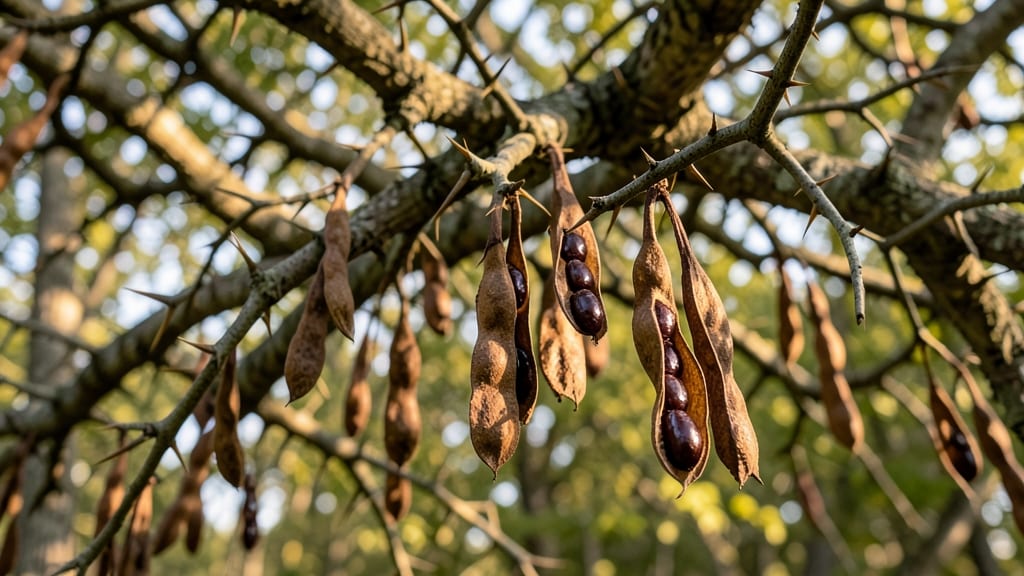
Struggling to identify tree seed pods in your garden or on nature walks? These 10 common seed pods offer quick visual clues to help you recognize trees effortlessly, whether you're planting, foraging, or simply admiring nature.
Maple Helicopter Seeds with Winged Pods
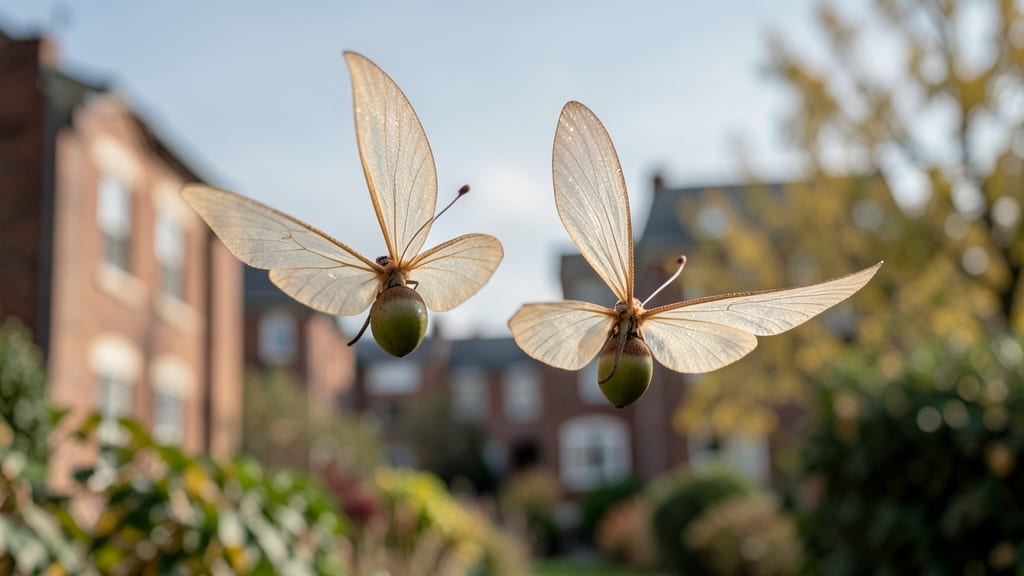
Ever spotted those whirling, winged seeds tumbling through the air like tiny helicopters? These iconic maple samaras are your first clue for identifying sugar maples and boxelders—two trees beloved by urban gardeners and maple syrup lovers alike.
Each pair of seeds is connected by a paper-thin wing> that catches the wind, creating their signature spinning motion. Collect them in late summer to early fall> when they’re ripe but still attached to the tree. For syrup enthusiasts, these pods grow on the same trees that produce the sweet sap for maple syrup—just remember, it takes 40 gallons of sap to make one gallon of syrup!
Perfect for city gardens, these trees thrive in urban conditions> and their brilliant fall foliage adds seasonal color. Start your own maple tree from seed—just plant the samaras in moist soil and watch for sprouts in spring. 🌱
Dry Bursting Acorn Capsules from Oak Trees
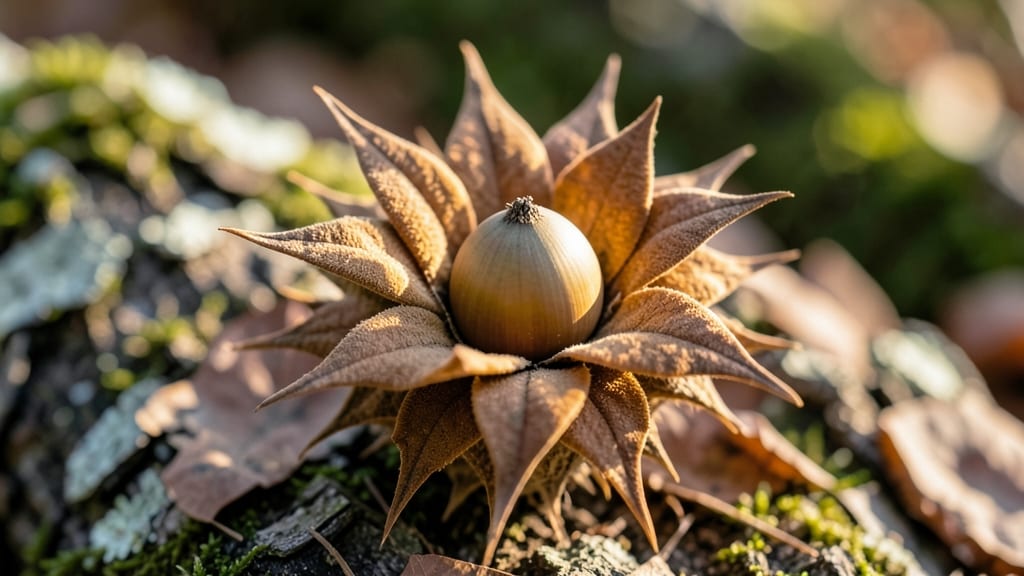
Those familiar spiky acorn capsules aren’t just iconic—they’re your secret key to identifying oak tree species with ease. Unlike other pods, these distinctive husks (called cupules) cling tightly to their acorns, revealing whether you’ve spotted a white oak, red oak, or bur oak simply by their shape and texture.
The cupule’s scaly, spiky exterior protects the acorn until it’s ready to drop in late fall, making them easy to spot during nature walks. For gardeners, these pods are a goldmine: oak trees provide long-lived hardwood, wildlife habitat, and shade—perfect for creating a low-maintenance forest garden. Collect fresh acorns in September-October, remove the cupule, and plant them in a well-draining soil mix for future trees.
Whether you’re restoring a wildlife corridor or simply admiring nature’s engineering, these pods are a must-know for any gardener who loves timeless, sturdy trees. 🌿
Velvet-Lined Milkweed Seed Pods
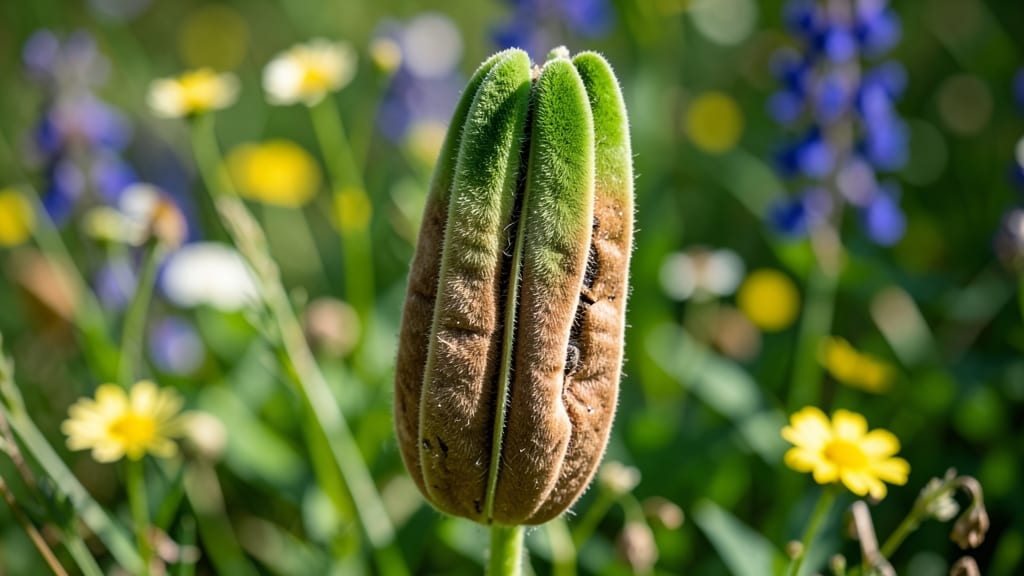
If you’re creating a pollinator garden, nothing attracts monarch butterflies like the velvet-lined milkweed seed pod. These pods aren’t just striking—they’re essential for supporting monarch larvae and adult butterflies in their migration.
The pods start green and turn brown as they mature, eventually splitting open to reveal silky, fluffy seeds that catch the wind. Planting milkweed is simple: sow seeds directly in well-draining soil in spring or early fall, and they’ll thrive in full sun to partial shade. Native milkweed species like common milkweed (Asclepias syriaca) or butterfly weed (Asclepias tuberosa) are perfect for gardeners in the U.S.
These pods are a must-have for native plant enthusiasts and anyone aiming to boost local ecosystems. Just one plant can support dozens of monarchs—making it a small but mighty addition to any garden. 🌱
Spiky Green Pine Cones from Evergreen Trees
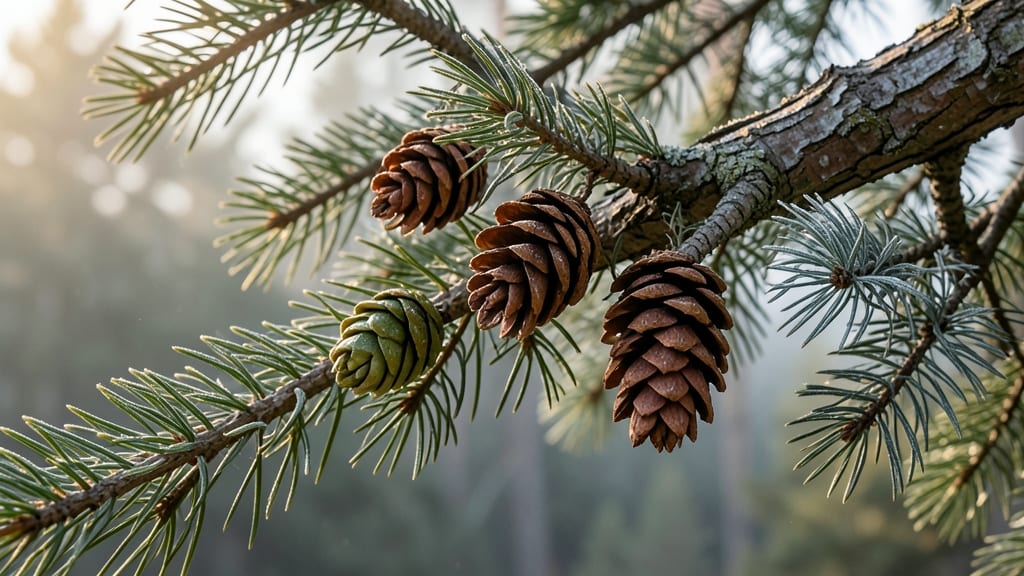
If you're collecting evergreens for your garden or crafting holiday wreaths, pine cones are your best year-round clue. Unlike seasonal pods, these spiky structures stay visible on pine, spruce, and fir trees throughout winter, making them the ultimate forest gardener's identifier.
Look for green pine cones in spring and summer—they turn brown and woody as they mature. Cones from pine trees often have a rounded shape with thick scales, while spruce cones are smaller and cling tightly to branches. Fir cones, though less common, appear flat and papery. Collect them in late fall when they're dry but still attached, then store in a cool, dry place for wreath-making or propagation.
Forest gardeners will love that these cones reveal the tree's identity even when needles aren't visible. Holiday crafters can use fresh green cones for rustic wreaths that last through December. 🌟
Exploding Jewelweed Seed Capsules
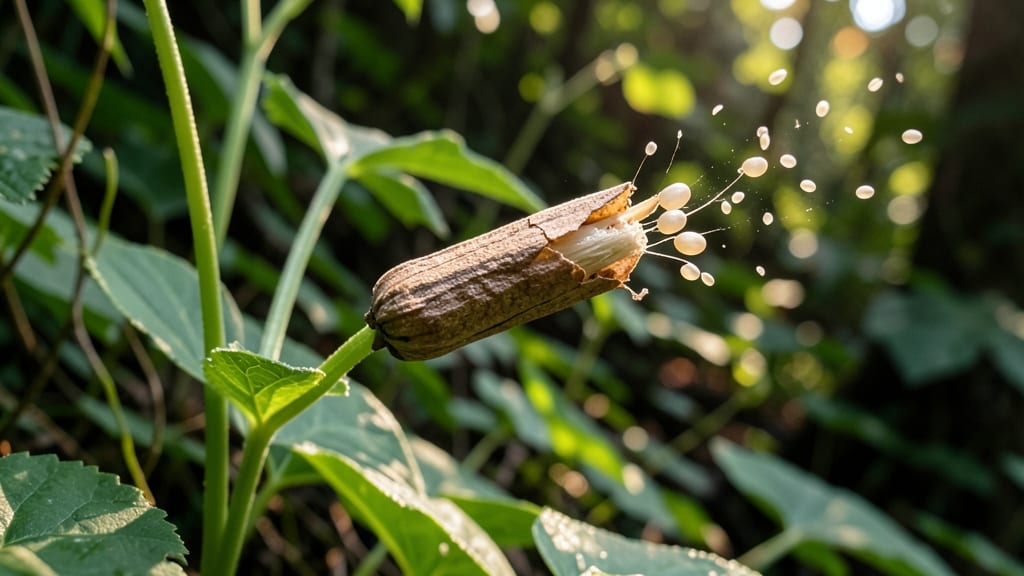
Watch out—these aren’t just pretty pods! When you brush against a jewelweed (Impatiens capensis) seed capsule, it literally explodes, launching seeds up to 10 feet away. This wild behavior makes them a favorite for curious kids and nature educators.
The pods start green, ripen to brown, and develop a paper-thin membrane that bursts at the slightest touch. To collect seeds safely, place a paper bag over the pod before it fully matures. Jewelweed thrives in moist, shady areas like garden edges or near ponds, and its bright orange flowers attract hummingbirds.
Perfect for interactive lessons about plant biology, these pods turn seed collection into a thrilling game. 🌟
Dry Brown Poplar Seed Pods
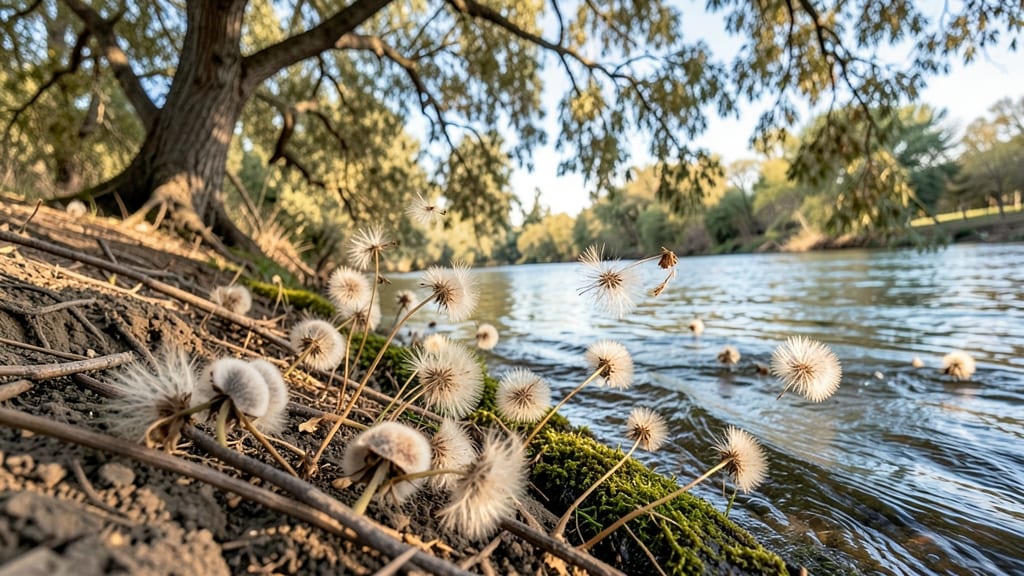
If you’ve ever spotted dry brown poplar seed pods tumbling across a riverbank or floating on water, you’re looking at nature’s erosion-fighting superstar. These fuzzy, cotton-like seed clusters belong to cottonwood trees—fast-growing pioneers that stabilize soil and prevent bank erosion near streams and wetlands.
The pods release thousands of tiny, fluffy seeds that catch the wind, making them ideal for low-maintenance erosion control in riparian zones. To plant them, simply scatter the seeds in moist soil near water sources—they germinate quickly in full sun and thrive in poor, sandy soils where other plants struggle. Their deep root systems help bind soil and filter runoff.
Perfect for landowners with waterfront properties or eco-conscious gardeners, cottonwoods deliver both practical benefits and striking autumn colors. Just avoid planting too close to structures—their roots can be aggressive! 🌿
Green Pea-Like Pods from Honey Locust Trees
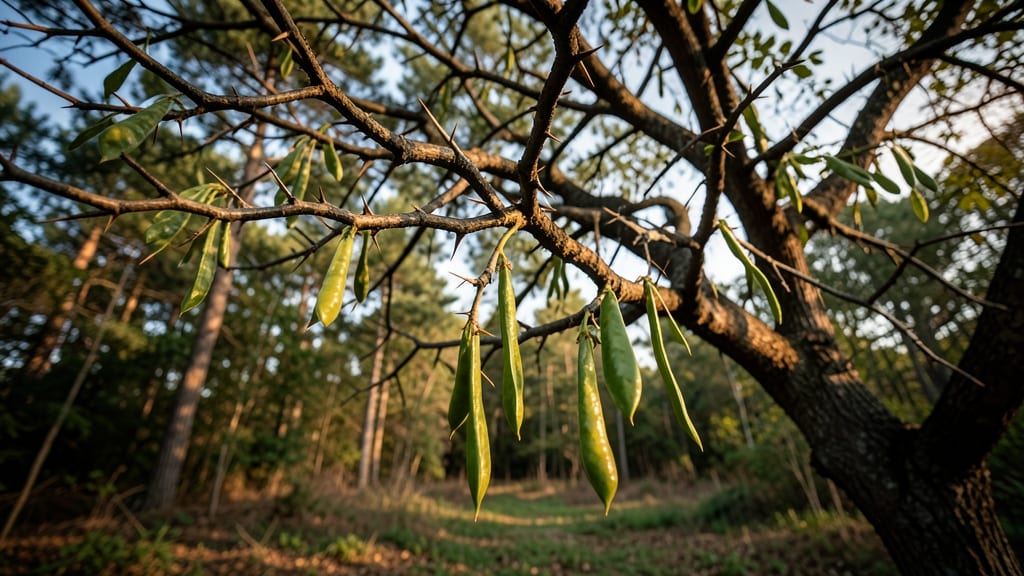
If you’ve ever spotted a thorny tree with pea-like pods that smell faintly sweet, you’re likely looking at a honey locust. These unique seed pods are a standout feature of this hardy tree, perfect for urban landscapes where space is limited but wildlife needs thrive.
The pods are green, flattened, and resemble elongated peas, typically 10-15 inches long, and appear in late summer. While the thorns may seem intimidating, they make honey locusts excellent privacy screens or windbreaks in city gardens. Birds and small mammals adore the seeds, turning your yard into a wildlife hotspot with minimal effort.
Urban gardeners and eco-conscious landscapers will love honey locusts for their low-maintenance needs and ability to grow in poor soil. Just be cautious—those thorns are sharp! 🌱
Dry Brown Walnut Shells with Spiky Husks
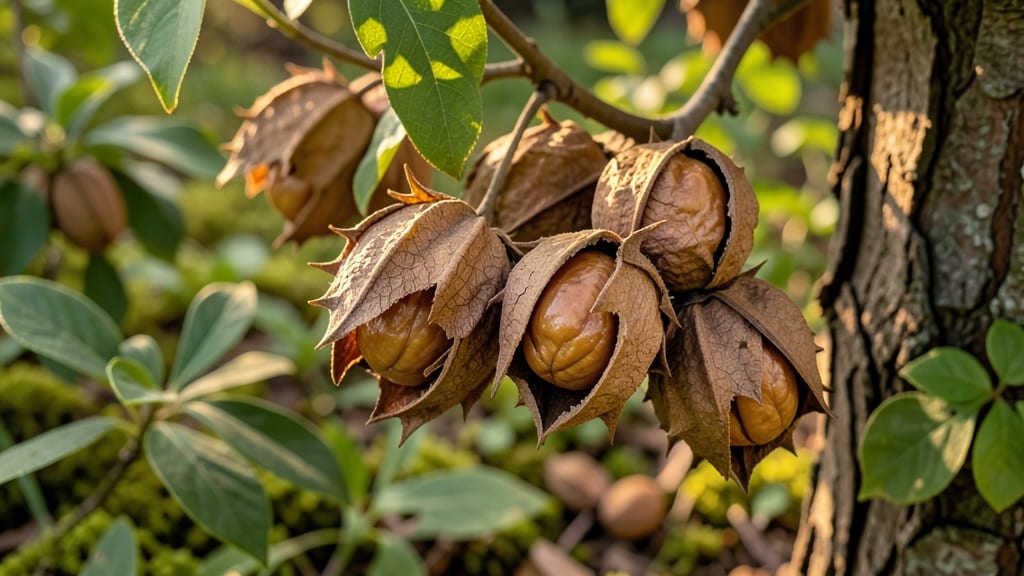
If you're building a food forest or growing nut trees, these dry brown walnut husks with spiky exteriors are your golden ticket. Unlike ornamental pods, these contain edible nuts that are a staple for permaculture enthusiasts and homesteaders.
Walnut husks typically split open in late summer to early fall, revealing the familiar brown nuts inside. The spiky husks protect the nuts from pests and animals until they're ready for harvest. To plant them, remove the husk and sow nuts 1-2 inches deep in well-draining soil, ensuring they get full sun and consistent moisture during germination.
These pods are a game-changer for gardeners who want to grow their own nuts—just remember to stratify (cold treatment) the seeds for better germination rates. 🌱
Green Papery Pods from Catalpa Trees
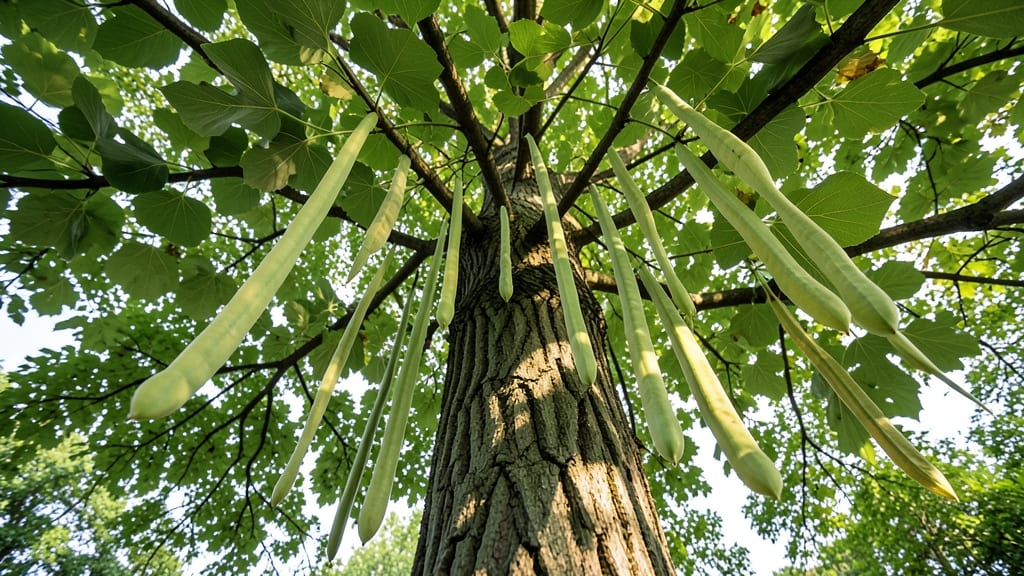
If you’ve ever spotted long, slender pods dangling like green sausages from towering shade trees, you’re likely looking at catalpa seed pods. These striking, papery pods—often 8-12 inches long—are a dead giveaway for northern catalpa trees (Catalpa speciosa), a favorite for parks and large landscapes.
The pods split open in late summer to reveal flat, winged seeds that resemble tiny parachutes, perfect for dispersal by wind. While the seeds themselves aren’t typically planted by gardeners, the tree’s dramatic foliage and fast growth make it a standout choice for urban forests and wildlife corridors. Look for these pods in full sun to partial shade, where catalpas thrive.
These pods are a gardener’s secret for identifying mature catalpa trees—ideal for those restoring historic landscapes or creating bold, statement shade trees. 🌻
Dry Brown Bean-Like Pods from Black Locust Trees

If you’ve ever spotted dry brown pods that look like oversized beans on a thorny tree, you’ve likely found a black locust—one of nature’s toughest survivors. These pods are a dead giveaway for identifying this drought-resistant tree, prized in permaculture for its hardiness and edible seeds.
The pods, about 2-3 inches long, split open to reveal flat, bean-like seeds that can be roasted and eaten (though they’re not as flavorful as store-bought). Black locust trees thrive in poor soil and require minimal water, making them ideal for reforestation projects or neglected lots. Their deep roots also prevent erosion, while the dense foliage provides wildlife habitat.
Perfect for beginners or gardeners in arid climates, black locusts are low-maintenance yet high-reward—just watch for thorns! 🌱