
Flowers
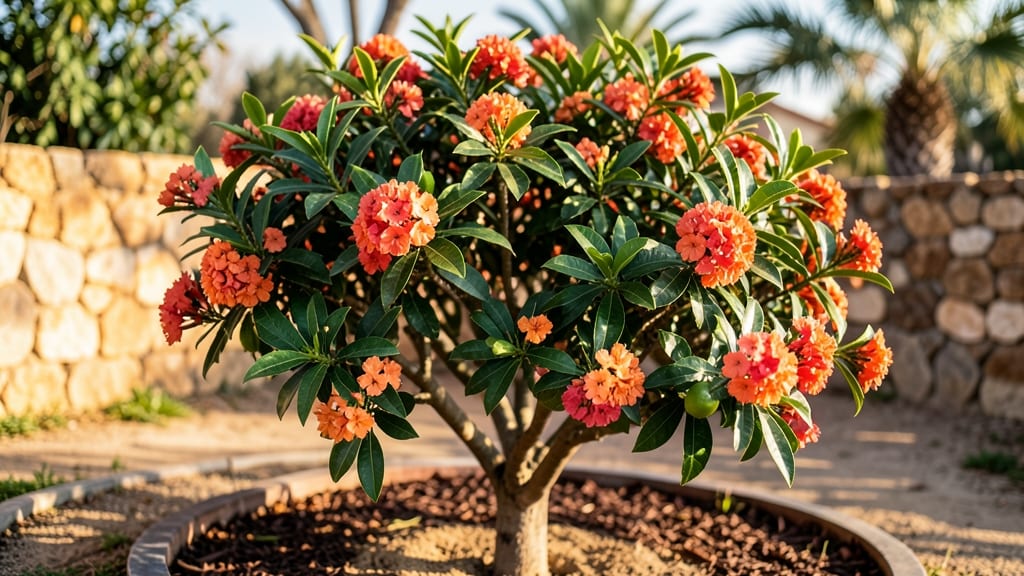
South Florida’s fiery orange blooms light up your landscape like a sunset every day. 🌺 The Royal Poinciana (Delonix regia) isn’t just a tree—it’s a year-round spectacle with vibrant orange flowers that attract hummingbirds and butterflies while thriving in the heat and humidity.
Its feathery foliage and striking bark make it a standout focal point in any garden design. This drought-tolerant powerhouse handles South Florida’s 90-degree summers and occasional storms with ease.
Plant it as a solitary statement tree near patios or pool areas, or pair it with palmetto palms and coontie for a native Florida look. The flowers even last into early winter, giving you months of color when other plants fade.
You’ll love how it transforms your yard into a pollinator paradise—hummingbirds hover constantly, and the bright blooms create a warm, tropical vibe. Plus, it grows 30-50 feet tall, making it perfect for large backyards or as a street tree for curb appeal.
For best results, source local nursery-grown trees to ensure they’re adapted to Florida’s soil and climate. Pair it with orange jessamine or firebush for a cohesive, sun-drenched garden theme that never goes out of style.
📚 In This Guide
- What you need
- Instructions
- Tips and common mistakes
- Wrapping up and next steps
What you need
- ● Tree: 1 Tabebuia rosea (Pink Trumpet Tree) or Tabebuia chrysantha (Yellow Trumpet Tree) sapling (if transplanting). Pro tip: Nurseries in South Florida often carry these!
- ● OR Seeds from a mature tree (if growing from scratch).
- ● Soil: 50 lbs of well-draining, slightly acidic soil (pH 6.0–7.0). Mix with 20% compost for nutrients.
- ○ Optional: Sand or perlite (10–20%) to improve drainage in heavy clay soils.
- ● Planting Supplies: 1 shovel (for digging)
- ● 1 garden trowel (for delicate root handling)
- ● 1 watering can or hose with a gentle spray nozzle
- ● 1 mulch (3–4 inches of pine bark or wood chips)
- ● Fertilizer: 1 bag of slow-release, citrus-friendly fertilizer (e.g., 6-6-6 or 8-3-9 blend).
- ○ Optional: Epsom salt (1 tbsp/month in water) for magnesium boosts.
- ● ✅ Sunlight: A full-sun location (6+ hours of direct sunlight daily). South Florida’s climate is perfect!
- ● ✅ Space: Mature trees reach 20–30 feet tall—ensure your yard can accommodate them.
- ● ✅ Water Access: A nearby hose or irrigation system for consistent moisture (especially in dry spells).
- ● ✅ Local Regulations: Check with your city or HOA about tree planting rules (some areas restrict large species).
- ○ 💡 Optional but Helpful: A tree support stake (if planting in windy areas).
- ● Pest-control spray (e.g., neem oil) for young trees.
Step-by-step guide to planting and caring for a South Florida orange-blooming tree
Here's how to establish a vibrant, year-round blooming tree that thrives in Florida's heat and humidity.
🌱 Step 1: Select the Right Tree for Your Climate
For South Florida's unique conditions, the Tabebuia rosea (pink trumpet tree) or Tabebuia chrysantha (yellow trumpet tree) are excellent choices, though orange-blooming varieties like Tabebuia impetiginosa (pau d'arco) are less common but stunning. These trees thrive in USDA zones 10-11 and tolerate the region's high heat and occasional drought once established.
Check your specific microclimate—coastal areas may need slightly more wind protection, while inland spots benefit from afternoon shade during the hottest months. I always verify the tree's mature size against my space; even drought-tolerant trees can outgrow their welcome in small yards.
🪴 Step 2: Prepare the Planting Site
Choose a location with full sun exposure (6+ hours daily) and well-draining soil. South Florida's sandy soils often need amendment—mix in 2-3 inches of compost into the top 12 inches of soil to improve fertility and water retention. Dig a hole twice as wide as the root ball but no deeper.
If your soil is particularly heavy or compacted, add a 1-inch layer of coarse sand at the bottom of the hole to prevent root suffocation. The key is mimicking the tree's natural growing conditions—these tropical natives prefer loose, airy soil that drains quickly but holds enough moisture for roots.
☀️ Step 3: Plant at the Right Time and Depth
Plant your tree during South Florida's rainy season (May-September) when temperatures are mild and humidity is high. This timing reduces transplant shock and encourages faster establishment. Handle the root ball carefully—wrap it in burlap if it's dry, then soak it for 15-20 minutes before planting.
Position the tree so the top of the root ball sits 1-2 inches above ground level. Backfill with native soil mixed with compost, tamping gently to remove air pockets. Water deeply immediately after planting to settle the soil and eliminate gaps. You'll know it's right when water drains freely but the surface stays slightly damp.
💧 Step 4: Establish a Watering Routine
Water newly planted trees 2-3 times weekly for the first 3 months, providing 1-2 gallons per watering depending on tree size. The goal is to keep the root zone consistently moist but never soggy. You'll see new growth within 4-6 weeks—that's your signal the tree is adapting.
After the initial establishment period, reduce watering to once every 10-14 days unless experiencing extreme heat or drought. These trees develop deep roots that access groundwater, but young specimens need consistent moisture to develop strong root systems. Mulch with 2-3 inches of organic mulch to retain moisture and regulate soil temperature.
✂️ Step 5: Prune and Maintain for Year-Round Blooms
Prune your tree immediately after flowering to encourage new growth and maintain shape. Remove any dead, diseased, or crossing branches first, then thin the canopy to improve airflow. These trees naturally shed some branches, so focus on maintaining an open structure that allows sunlight to reach the inner branches.
Fertilize lightly twice yearly (spring and fall) with a balanced, slow-release fertilizer (6-6-6 or 8-3-9). Over-fertilizing can lead to excessive leaf growth at the expense of flowers. Watch for signs of nutrient deficiency—yellowing leaves often indicate nitrogen needs, while poor flowering suggests phosphorus deficiency. Adjust your fertilization accordingly.
Tips & tricks for perfect South Florida orange-blooming trees
Transforming your yard into a vibrant orange-blooming paradise takes more than just planting—it's about creating the ideal conditions for these tropical beauties to flourish year-round.
Seasonal Timing Secret: While the rainy season (May-September) is ideal for planting, I've found that early June offers the sweet spot—plenty of humidity without the late-summer storm risks. This timing gives roots time to establish before the intense summer heat arrives. For those who miss this window, fall planting (September-November) works too, but be prepared to provide extra protection from winter's occasional cold snaps.
Soil Preparation Game-Changer: Don't just amend the planting hole—improve the entire planting area. Spread that 2-3 inches of compost across the entire root zone (about 2 feet beyond the root ball) before planting. This creates a nutrient-rich environment that encourages deeper root growth from day one. For particularly sandy soils, consider adding 1 inch of composted pine bark fines—it mimics the forest floor conditions these trees prefer.
Watering Wisdom: Those 2-3 gallons per watering should be delivered slowly to prevent runoff. I use a soaker hose or drip irrigation system for the first few weeks, which delivers water directly to the root zone without wetting the leaves—this prevents fungal issues. The 4-6 week mark for new growth is your best indicator of success, but if you don't see sprouts by week 8, check for root rot by gently scraping back some soil.
Pruning Precision: When pruning immediately after flowering, focus on the "open vase" shape—this allows sunlight to penetrate to the inner branches where next year's blooms will form. I always make cuts just above outward-facing buds, and I never remove more than 25% of the canopy in one session. For pau d'arco specifically, be patient—it takes 3-5 years for established trees to produce those stunning orange blooms, but the wait is worth it.
Pro Tips for South Florida Tree With Orange Flowers
- Transforming your yard into a vibrant orange-blooming paradise takes more than just planting—it's about creating the ideal conditions for these tropical beauties to flourish year-round.
- Seasonal Timing Secret: While the rainy season (May-September) is ideal for planting, I've found that early June offers the sweet spot—plenty of humidity without the late-summer storm risks.
- Soil Preparation Game-Changer: Don't just amend the planting hole—improve the entire planting area.
Frequently asked questions
Got questions about that stunning South Florida tree with bright orange flowers? You’re not alone!
Here are some of the most common queries—plus quick answers to help you care for (or spot) these vibrant beauties with confidence.
What’s the best time of year to see orange-flowering trees in South Florida?
Many orange-flowering trees in South Florida—like the Tabebuia (pink trumpet tree) or Tabebuia impetiginosa (pink poui)—bloom year-round, with peak displays in spring (March–May) and fall (September–November). Humidity and warmth trigger blooms, so you’ll often see them lighting up streets even after rain!
Are these trees easy to grow in home gardens?
Trees like the Tabebuia or Lagerstroemia (crape myrtle) thrive in South Florida’s climate with full sun and well-draining soil. They’re drought-tolerant once established but appreciate occasional watering. Just avoid soggy roots—these trees hate "wet feet." Pro tip: Mulch around the base to retain moisture and deter weeds!
Do orange-flowering trees attract bees or other pests?
Yes, they’re bee magnets—which is great for pollinators! However, heavy blooms can also draw in aphids or scale insects. Monitor leaves for sticky residue (honeydew) or yellowing. A strong water spray or neem oil usually keeps pests in check. Bonus: The flowers are non-toxic, so they’re pet-friendly too!
What’s a good alternative if I want orange flowers but no tree maintenance?
If you love the color but want low-maintenance options, try annuals like pentas (starflowers) or shrubs such as firebush (Hamelia patens). Both burst with orange blooms, thrive in heat, and need minimal pruning. For a pop of color without the tree commitment, these are game-changers!
Why aren’t my orange-flowering tree’s blooms as vibrant?
Dull or sparse blooms often signal over-fertilizing (too much nitrogen), poor sunlight, or stress from drought. Trim back overgrowth to improve airflow, and fertilize lightly with a low-nitrogen, high-phosphorus blend in early spring. Quick fix: A deep watering once a week can revive droopy branches fast!
Still stumped? Snap a photo of your tree and share it with a local nursery—they’ll help ID it and suggest tailored care tips!
Wrapping up and next steps
Discovering the South Florida tree with orange flowers—like the vibrant Tabebuia or flame trees—brings a burst of color and life to your landscape, even in the toughest seasons. These stunning bloomers aren’t just eye-catching; they’re resilient, low-maintenance, and perfect for adding tropical charm to your yard.
Whether you’re a gardening novice or a seasoned green thumb, their beauty is unmatched and well worth the effort!
Ready to transform your outdoor space? Start by researching the best variety for your climate—then grab your gloves and get planting! 🌺 With the right care, you’ll enjoy year-round sunshine blooms that turn heads and brighten every day.