
Pruning
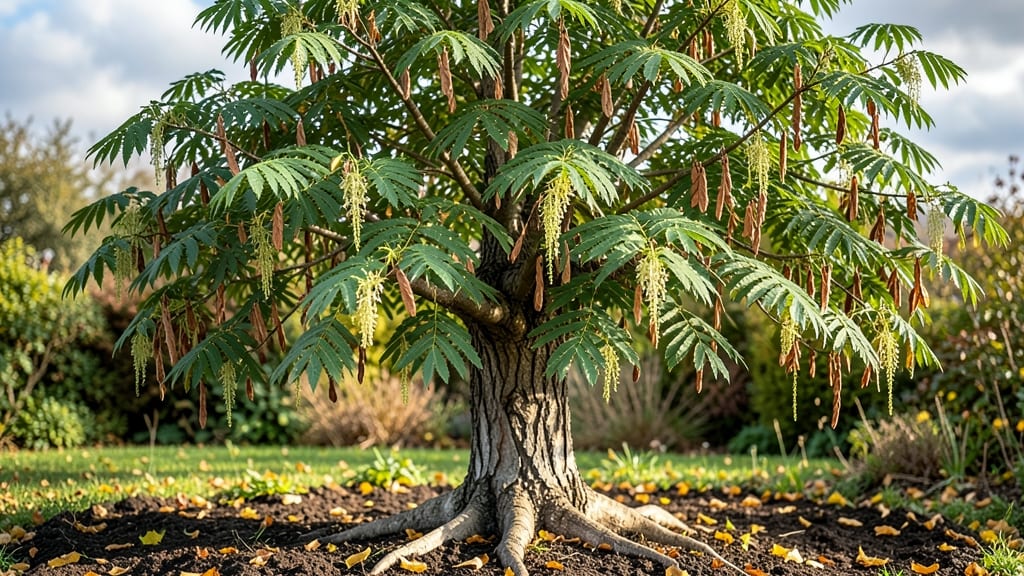
Those brown, papery tree of heaven pods are the last thing you want littering your yard. Each one can sprout into a 60-foot tree that crowds out native plants and spreads invasively. The good news? Removing them doesn’t require gloves, a hazmat suit, or even much time.
Start by collecting pods before they burst open (late summer to fall). A sturdy trash bag and a quick sweep of the ground removes the biggest threat. For stubborn pods stuck in trees, a pruning saw or pole with a hook works—just don’t let them hit the soil.
One 10-minute cleanup can save you years of dealing with seedlings. What you’ll end up with is a yard free of these aggressive invaders. Native plants will thank you, and you’ll avoid the stinky sap that attracts pests.
The key is acting fast—once those pods split, you’re fighting a losing battle. Works for sidewalks, parks, or your own property. Here’s how to tackle them before they take over.
The Hidden Triggers Behind Seed Spread
If you’ve ever spotted clusters of tree of heaven pods (also called ailanthus pods) littering your yard or sidewalk, you’re not alone. This invasive species spreads aggressively, and understanding why its pods form—and how they disperse—is key to stopping its takeover.
Below, we break down the science behind this plant’s relentless reproduction cycle, so you can take targeted action.
The tree of heaven (Ailanthus altissima) is a master of survival, and its pod production is no accident. This tree evolved in regions with limited resources, so it developed a high-reproduction, low-survival strategy:
- Massive seed output: A single tree can produce 300,000+ seeds per year in those signature samara pods (the winged, seed-containing structures). Only a tiny fraction need to sprout for the species to dominate.
- Fast maturation: Trees as young as 5–10 years old start producing pods, giving them a head start over slower-growing native species.
- Drought tolerance: Even in dry conditions, the tree prioritizes seed production over leaf growth, ensuring genetic continuity.
Actionable insight: If you’ve got a tree of heaven on your property, removing it before it matures (especially in its first decade) is your best defense. Young trees are easier to uproot, and their root systems haven’t spread as far.
The tree of heaven’s pods are lightweight and designed to travel. Here’s how wind plays a role:
- Winged structure: Each pod has a samara (a papery, wing-like extension) that catches breezes, allowing seeds to drift up to 100 feet or more from the parent tree.
- Timing matters: Pods ripen in late summer to fall, when winds are often stronger. A single storm can scatter thousands of seeds into neighboring yards, parks, and even cracks in pavement.
- Urban advantage: Cities with tall buildings create wind tunnels, accelerating seed dispersal. This is why tree of heaven thrives in urban and suburban areas.
Actionable insight:
- 🌬️ Clear pods promptly: Rake or sweep up fallen pods before they dry and release seeds. Seal them in a trash bag and dispose of them off-site (not in compost or yard waste).
- 🏙️ Block wind paths: If your property borders a windy area (like a highway or open field), consider temporary barriers (e.g., burlap screens) during pod season to trap falling debris.
While wind is the primary disperser, animals accidentally aid the tree of heaven’s spread:
- Birds and squirrels: Some wildlife eat the pods’ fleshy outer layer, then spit out or cache the seeds elsewhere. The seeds remain viable for up to 5 years in soil.
- Mowing and landscaping: Lawnmowers and leaf blowers can catapult seeds into new areas, especially if pods are still attached to stems.
- Human transport: Seeds hitch rides on clothing, shoes, and vehicles, explaining why they pop up in unexpected places like gardens or construction sites.
Actionable insight:
- 🐦 Deter wildlife: If birds are a problem, install bird netting around infested trees or use reflective tape to scare them off.
- 🚜 Clean equipment: After mowing or trimming near a tree of heaven, inspect and clean tools to remove any clinging pods or seeds.
The tree of heaven doesn’t just spread—it thrives in disturbed or nutrient-poor soils, making it a weed-like opportunist. Key factors include:
- Adaptability: It grows in full sun to partial shade, tolerates polluted soils (including industrial sites), and even survives compacted urban soil.
- Fast root spread: Its pneumatophores (aerial roots) help it absorb water and nutrients from the air, giving it an edge in poor conditions.
- Climate resilience: It handles drought, heat, and urban pollution better than most native trees, making it nearly indestructible in the right (or wrong) environment.
Actionable insight:
- 🌱 Improve soil health: Planting competitive native species (like black walnut or hackberry) can outcompete tree of heaven for resources.
- 💧 Reduce water availability: Young tree of heaven seedlings are highly sensitive to drought. If you’re dealing with an infestation, withhold water from the area to weaken new sprouts.
Remove and Prevent Invasive Pods
Dealing with tree of heaven pods (or Ailanthus altissima seeds) requires a mix of immediate removal and long-term prevention. Since these pods spread aggressively, acting fast is key. Below, we’ll break down practical solutions for each stage—from cleanup to stopping future growth—so you can reclaim your yard without stress.
Problem: Mature pods release seeds that sprout into new trees, worsening infestations. Fix:
- 🍳 Gather pods before they split open (late summer to early fall). Use gloves—sap can irritate skin!
- 👨🍳 Place them in sealed bags (heavy-duty trash bags or biohazard bags work best). Puncture bags to prevent seed escape.
- 🔪 Dispose of bags in outdoor trash bins—never compost them. Check local regulations; some areas require special disposal (e.g., burning or landfill-only).
Pro Tip: 💡 Time it right—pods turn brown and brittle in fall, making them easier to collect. A quick sweep with a rake or leaf blower can gather loose pods before they release seeds.
Problem: Mature trees produce more pods and outcompete native plants. Fix:
- 🌡️ For small trees (under 6 ft): Cut the trunk 3–4 inches above ground, then apply horticultural vinegar (20–30% acetic acid) or copper sulfate to the stump. Cover with plastic to speed up decay.
- 🎯 For large trees: Hire a professional arborist. Never burn stumps—roots can regrow. Instead, use Triclopyr (a herbicide) on fresh cuts, or smother with cardboard/mulch for root suffocation.
Pro Tip: ✨ Monitor regrowth—tree of heaven sprouts from roots. If new shoots appear, treat them with glyphosate (follow label instructions) or manual removal with a hoe.
Problem: Seeds lie dormant for years, waiting to germinate. Fix:
- 📊 Block sunlight: Cover bare soil with cardboard or thick mulch (3+ inches) to prevent seed germination. Solarize the area by covering with clear plastic for 4–6 weeks in summer.
- 💪 Remove seedlings early: Young sprouts (1–2 ft tall) are easiest to pull. Use a weeding tool or gloves to avoid sap contact.
- 🥗 Plant competitive ground covers: Dense plants like clover, creeping thyme, or ornamental grasses starve out tree of heaven seeds by claiming space.
Pro Tip: 🔥 Vinegar spray (1 gallon vinegar + 1 oz dish soap) works as a natural herbicide for small sprouts. Reapply every 2–3 days until they die.
- 🌡️ Stay vigilant: Check your property twice a year (spring and fall) for new pods or seedlings. - 🎯 Educate neighbors: Tree of heaven spreads via wind and birds.
Share removal tips with nearby homeowners. - 🔧 Install barriers: If removing a large tree, bury a metal barrier (like hardware cloth) 2 ft deep around the root zone to block regrowth. - 🌱 Choose alternatives: Replace tree of heaven with native species like black walnut, hickory, or serviceberry, which don’t spread invasively.
Final Note: Consistency is key—tree of heaven is tough, but persistent effort pays off. With these steps, you’ll break the cycle and keep your landscape pod-free! 🌿
Frequently asked questions
Are tree of heaven pods toxic to humans or pets?
The pods themselves aren't highly toxic, but the tree's sap can irritate skin and cause allergic reactions in sensitive individuals. Pets may chew the pods out of curiosity, but ingestion rarely causes serious harm. The real danger comes from the tree's aggressive spread—not the pods themselves.
How do I tell if those brown pods are tree of heaven?
Tree of heaven pods are 1-2 inches long, brown, and papery with a distinctive winged samara (seed structure). They grow in clusters along branches. Compare them to other pods: mulberry pods are fleshy, while ash tree pods are flat and papery but lack wings.
Can I just burn the pods to kill them?
No—burning pods releases seeds into the air, spreading them farther. The best disposal is sealing them in heavy-duty trash bags and putting them in outdoor bins. If burning is your only option, use a metal container with a lid to contain seeds completely.
Why do I keep finding new seedlings after removing pods?
Seeds can remain viable in soil for up to 5 years, and roots often sprout new shoots. The solution is consistent monitoring: pull seedlings when small (under 2 feet) and smother bare soil with cardboard or mulch to block sunlight.
Will cutting down the tree stop the pods?
Only if you remove the entire root system. Stumps left behind will regrow, producing more pods. For small trees, cut 3-4 inches above ground and apply horticultural vinegar to the stump. Large trees require professional removal with follow-up herbicide treatment.