
Pruning
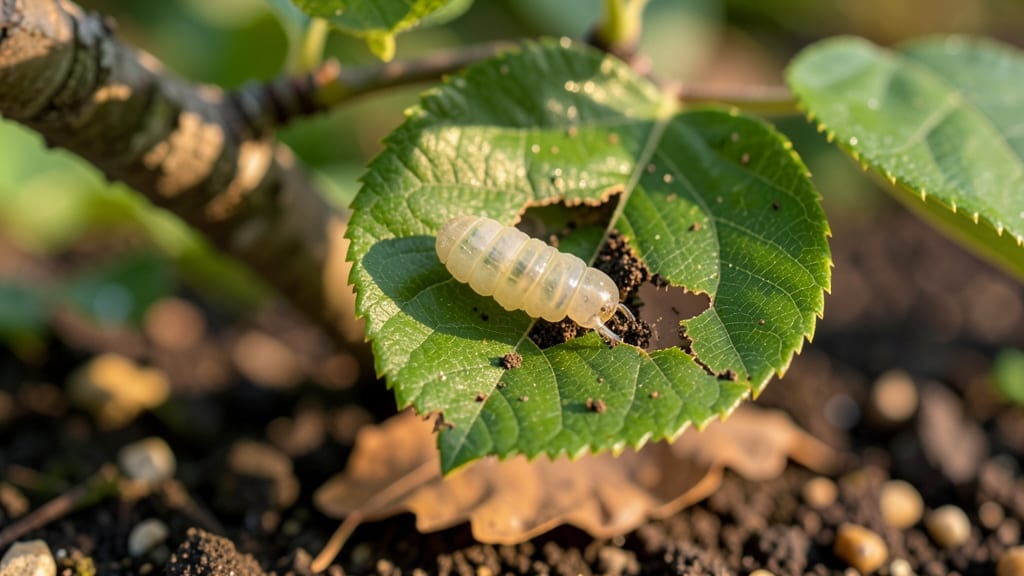
Identifying tree insects early saves your trees from irreversible damage—tree insects identification is key to catching problems before they spiral out of control. 🌳 The first sign might be tiny holes in bark, sticky residue on leaves, or adult beetles crawling across branches—each clue points to a different pest and treatment approach.
Common culprits include bark beetles (tiny holes, sawdust-like frass), aphids (sticky honeydew), and borers (exit holes with chewed wood). I’ve seen oak wilt spread in just weeks when beetles go undetected—so grab a magnifying glass and check for these visual red flags.
Once you confirm the pest, act fast: prune infested branches, apply horticultural oil, or call an arborist if the tree is large. Early action stops minor damage from becoming a full-blown crisis.
This guide covers regional pests like emerald ash borers and pine bark beetles, plus when to use organic sprays versus professional help. Your trees will thank you.
Root Causes of Tree Insect Outbreaks
Tree insects don’t just appear out of nowhere—they’re drawn to your trees by specific conditions that create the perfect storm for infestation. Understanding these triggers can help you prevent or address problems before they spiral. Here’s why pests target your trees and how environmental or human factors play a role.
Healthy trees naturally resist insects, but when their defenses drop, pests move in like uninvited guests at a buffet. Common reasons for weakened immunity include:
- Nutrient Deficiencies: Trees lacking essential nutrients (like nitrogen, phosphorus, or potassium) produce weaker sap and bark, making them easier targets. Think of it like a human with a vitamin C deficiency—susceptible to infections!
- Drought Stress: Prolonged dry spells force trees to divert energy to survival, leaving them vulnerable. Insects like spittlebugs or borers exploit stressed trees because their reduced sap flow means less resistance.
- Disease or Fungal Infections: Fungi (e.g., Hypoxylon canker) or bacterial diseases create entry points for insects. For example, emerald ash borers often attack ash trees already compromised by Fungal cankers.
- Poor Pruning Practices: Over-pruning or improper cuts (like flared wounds) expose inner tissues to moisture and pests. Sawkerflies and beetles love fresh, open wounds as nesting sites.
💡 Pro Tip: Conduct a soil test every 2–3 years to check nutrient levels. Mulch properly (2–4 inches deep) to retain moisture and improve root health.
Insects are opportunists, and certain environmental conditions make trees irresistible. These factors often overlap with human activity:
| Factor | How It Attracts Pests | Example Pests |
|---|---|---|
| High Humidity | Moisture-loving insects thrive in damp bark or soil. Fungal growth (their food source) also spikes. | Scale insects, mealybugs, root weevils |
| Stagnant Water | Poor drainage creates soggy roots, inviting borers and beetles that lay eggs in waterlogged wood. | Ambrosia beetles, root maggots |
| Monoculture Plantings | Large groups of the same tree species (e.g., pine plantations) make it easy for pests to spread rapidly. | Bark beetles, gypsy moths |
| Climate Change Shifts | Warmer winters expand the range of pests like the hemlock woolly adelgid, which was once limited to coastal regions. | Adelgids, lanternflies |
🌡️ Actionable Fix: Improve drainage with swales or French drains, and avoid planting single-species clusters in landscapes. Native tree mixes disrupt pest cycles.
Sometimes, well-meaning (or lazy) human habits create the perfect conditions for infestations. Here’s how:
- Improper Storage of Firewood: Stacking untreated wood near trees can introduce borers or termites that jump to living trees.
- Landscaping Debris: Leaving pruned branches or stumps on-site gives pests a foothold. Carpenter ants and woodwasps nest in dead wood before moving to healthy trees.
- Over-Fertilization: Too much nitrogen (common in lawn fertilizers) attracts sap-sucking insects like aphids, which thrive on rapid new growth.
- Ignoring Early Signs: Delaying action on holes in bark or sawdust-like frass (borer droppings) lets infestations explode. Example: A single emerald ash borer can lay 60–100 eggs in a tree’s bark.
✨ Prevention Hack: Store firewood at least 20 feet from trees and elevated off the ground. Use beneficial nematodes (like Steinernema carpocapsae) to target soil-dwelling larvae in mulch.
By addressing these root causes—whether through proactive tree care, smart landscaping, or early pest monitoring—you can drastically reduce the likelihood of full-blown infestations. The key? Act before the bugs do.
Quick Fixes for Tree Insect Problems
Once you’ve identified the pests wreaking havoc on your trees, it’s time to act! The right approach depends on the type of insect and the severity of the damage. Below, we’ve mapped out practical solutions for common tree invaders, from gentle remedies to stronger interventions.
Always prioritize prevention—once your trees are thriving, pests are far less likely to take hold.
Cause: These soft-bodied insects cluster on new growth, leaves, and buds, draining sap and leaving behind sticky honeydew. Fix:
- 💦 Blast Them Away: Use a strong stream of water from a hose to dislodge aphids from leaves and stems. Repeat every few days for heavy infestations.
- 🌿 Introduce Beneficial Insects: Ladybugs, lacewings, and parasitic wasps are natural aphid predators. Purchase them from garden centers or create a habitat-friendly environment to attract them.
- 🧴 Soap It Up: Mix 1 tablespoon of mild liquid soap (like castile soap) with 1 quart of water. Spray directly on aphids—avoid overspraying, as soap can harm beneficial insects too.
- 🌱 Prune and Dispose: Trim and destroy heavily infested branches to reduce their numbers.
💡 Prevention Tip: Encourage strong tree growth with regular watering and balanced fertilization. Healthy trees resist pests better!
Cause: These beetles tunnel under bark, disrupting nutrient flow and often killing trees, especially stressed ones. Fix:
- 🪓 Remove Infested Wood: Cut down and dispose of heavily infested trees (especially pines, spruces, and oaks) to prevent spread. Burn or chip the wood—don’t compost it!
- 🛡️ Apply Protective Barriers: Wrap tree trunks with sticky bands or tree banding material to trap emerging beetles. Replace every few weeks.
- 🌲 Strengthen Tree Health: Water deeply during droughts, mulch properly, and avoid wounding bark (e.g., from lawnmowers or tools).
- 💧 Boost Moisture Retention: Mulch around the base of the tree to keep roots hydrated and reduce stress.
🔥 Pro Tip: If you spot sawdust-like frass at the base of the tree, act fast—bark beetles reproduce quickly!
Cause: These caterpillars strip trees bare overnight, weakening them and making them vulnerable to disease. Fix:
- 🕷️ Handpick or Shake Them Off: Wear gloves and remove caterpillars by hand (drop them into soapy water). Shake branches over a tarp to dislodge them.
- 🧴 Use Bt Spray: Bacillus thuringiensis (Bt) is a natural bacteria that kills gypsy moth caterpillars without harming other insects. Spray when caterpillars are small (before they skeletonize leaves).
- 🌳 Prune for Airflow: Thin out dense foliage to improve air circulation, making the environment less hospitable for egg-laying.
- 🚫 Remove Egg Masses: In late fall/winter, scrape off and destroy egg masses (they look like grayish wads of fabric) from tree trunks and branches.
🎯 Prevention Tip: Plant trap trees (like oak or birch) away from your prized trees to lure moths away.
Cause: These immobile pests attach to branches and leaves, sucking sap and excreting honeydew that attracts ants and sooty mold. Fix:
- 🧼 Scrub with Soap or Oil: Mix 1 tablespoon of horticultural oil or insecticidal soap with 1 quart of water. Spray directly on infested areas, focusing on cracks and crevices where scales hide.
- 🪒 Prune Infested Branches: Cut and destroy heavily infested limbs to reduce their population.
- 🐝 Encourage Predators: Ladybugs, parasitic wasps, and predatory mites feed on scales. Avoid broad-spectrum pesticides that kill these helpers.
- 🌡️ Time Your Treatment: Apply treatments in early spring or fall when scales are most vulnerable (avoid summer heat, which can stress trees).
✨ Pro Tip: Check the undersides of leaves and along branches—scales love to hide in plain sight!
Cause: Beetles, borers, and wasps tunnel into wood, creating galleries that weaken structural integrity. Fix:
- 🔪 Inject Systemic Pesticides: For severe infestations, consult an arborist about injecting trees with systemic insecticides (like imidacloprid) to kill larvae inside the wood.
- 🪓 Remove and Replace: If the tree is beyond saving, remove it to prevent the spread of larvae to nearby trees.
- 🛡️ Seal Entry Points: Fill cracks and wounds with pruning sealant to block entry for future invaders.
- 🌱 Monitor Young Trees: Newly planted trees are most vulnerable—inspect them regularly for signs of boring.
💡 Prevention Tip: Avoid over-fertilizing with nitrogen, which attracts woodborers. Keep trees healthy with balanced care!
Remember: Early action is key! The sooner you address infestations, the easier (and cheaper) it is to protect your trees. When in doubt, consult a certified arborist—they can provide tailored solutions for your specific situation. 🌳💪
Frequently asked questions
What are the most common signs of tree insect damage?
Look for tiny holes in bark (borers), sticky residue on leaves (aphid honeydew), or chewed edges on leaves (caterpillars). Other red flags include sawdust-like frass (beetle droppings) at the tree base or yellowing leaves that appear suddenly. Check both the bark and foliage—many pests leave clues on both.
Can I identify tree insects without a magnifying glass?
Yes! Start with a 10x hand lens or even your phone’s camera—many pests are visible at 1/4-inch size. Focus on leaf undersides, bark crevices, and new growth tips where insects hide. Compare what you see to photos in field guides or apps like iNaturalist or PictureThis for quick matches.
How do I know if my tree is dying from insects or disease?
Insect damage often shows as localized holes, frass, or wilting branches, while diseases cause fungal growth, oozing sap, or widespread leaf spots. Check for crawling adults (beetles, caterpillars) or webby nests (tent caterpillars). If you see mushrooms at the base, that’s usually a fungal issue—not insects.
Are there free resources for tree insect identification?
The USDA Forest Service and University Extension offices offer free guides. Apps like Plantix or LeafSnap use AI to ID pests from photos. For regional help, check your state’s Cooperative Extension Service—they often host free workshops on pest management.
What’s the best time of day to spot tree insects?
Early morning or late afternoon when insects are most active. On warm days, check for crawling adults (beetles, wasps) or newly hatched larvae on leaves. Avoid midday—many pests hide in shade or under bark when temperatures rise. Bring a flashlight for evening inspections too!