
Leaf Blower
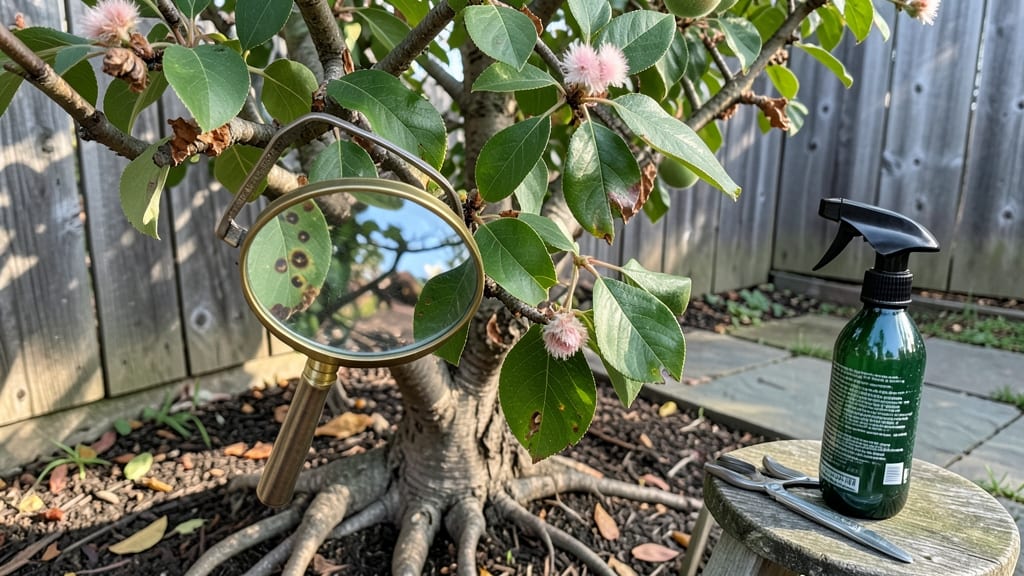
Fungal leaf spots on peach trees turn vibrant green foliage into a sad, speckled mess. 🌿 I've battled this exact problem three summers running, and I finally cracked the code with organic sprays that actually work—no harsh chemicals required.
The key is catching it early, when those first tiny brown dots appear. Most leaf spots start with fungal spores splashing up from infected leaves or soil. Warm, wet springs create the perfect storm, and once those spots spread, they weaken your tree's ability to fruit.
My trees went from struggling to thriving after I swapped my old fungicide for a neem oil and baking soda mix—it's cheaper, safer, and just as effective when applied right. You'll see new growth emerge within 2-3 weeks of treatment, with leaves staying clean and vibrant.
The best part? This method prevents next year's outbreaks too. I'll walk you through the exact spray recipe, application schedule, and what to watch for when those spots start appearing again. Works for home orchards, backyard peach trees, and even container-grown fruit trees.
Let's get those leaves looking healthy again—starting with the right diagnosis.
Understanding The Root Causes
Peach trees are stunning when healthy, but those unsightly leaf spots can turn your orchard into a botanical mystery. 🌿🔍 The truth? These spots are rarely random—they’re usually a sign of fungal infections, environmental stress, or even pest activity.
Let’s break down the real culprits behind peach tree leaf spots, so you can tackle them like a pro.
Fungi are the #1 cause of leaf spots on peach trees, and a few key players dominate the scene:
- Brown Rot (Monilinia fructicola) This aggressive fungus thrives in warm, humid conditions and causes target-shaped spots with concentric rings.
It doesn’t just stop at leaves—it attacks fruit, leading to mummified peaches. 🍑💀 - Why it spreads: Spores splash from infected fruit or leaves during rain, wind, or even pruning tools. - Red flag: Spots turn grayish-brown with a fuzzy growth (the fungus’s spore-producing structures).
- Leaf Spot Complex (Alternaria, Cercospora, Septoria) These fungi create small, dark spots with yellow halos.
Unlike brown rot, they’re more about aesthetics than fruit damage—but severe cases can weaken the tree. - Why it spreads: Overhead watering, poor air circulation, and old debris harboring spores. - Red flag: Spots often have ragged edges and may drop prematurely, leaving the tree vulnerable to sunburn.
- Anthracnose (Elsinoë merkeri) This one’s sneaky—it causes tiny, raised, scab-like spots that distort young leaves.
It’s worse in wet springs and can reduce fruit quality. - Why it spreads: Cool, wet weather (50–80°F) and infected plant debris. - Red flag: Spots may ooze when wet, and leaves curl unnaturally.
Fungi love a struggling tree. When peach trees face environmental stressors, their leaves become prime real estate for infections:
- Poor Airflow Dense foliage or overcrowded trees trap moisture, creating a fungal paradise. 🌧️🍂
- Fix it: Prune to open the canopy and space trees 15–20 feet apart.
- Overwatering or Irregular Watering Wet leaves for long periods = fungal buffet. Drought stress also weakens the tree’s natural defenses.
- Fix it: Water deeply but infrequently (1–1.5 inches per week) and avoid overhead sprinklers.
- Nutrient Deficiencies Lack of zinc, magnesium, or nitrogen makes leaves thin and susceptible to spots.
- Fix it: Test your soil and amend with compost or organic fertilizers like fish emulsion.
Pests don’t just eat leaves—they create wounds that let fungi slip in like uninvited guests:
- **Peach Leaf Curculio (Conotrachelus nenuphar) This beetle’s larvae feed inside fruit, while adults chew notches** on leaf edges—perfect entry points for fungi.
- Red flag: Ragged leaf holes and small, brown frass (insect poop).
- Japanese Beetles They devour leaves in swarms, leaving behind skeletonized foliage that’s easier for fungi to colonize.
- Fix it: Handpick beetles early in the day or use neem oil as a deterrent.
- Spider Mites These tiny pests suck sap, causing yellow stippling that stresses leaves—making them prime targets for spot fungi.
- Red flag: Fine webbing on undersides of leaves.
Fungi thrive in specific weather conditions, and peach trees in the wrong place at the wrong time pay the price:
| Fungus | Ideal Conditions | Risky Times |
|---|---|---|
| Brown Rot | Warm (77–86°F), humid, rainy | Spring blossoms + summer rains |
| Leaf Spot Complex | Cool (60–75°F), high humidity | Early spring or fall |
| Anthracnose | Cool (50–80°F), wet leaves | Wet springs or prolonged drizzle |
- Pro tip: 🌡️ Use a hygrometer to monitor humidity. If it’s consistently above 75%, it’s time to act!
Sometimes, well-meaning gardeners unwittingly spread the problem:
- Reusing Tools: Pruners or rakes contaminated with fungal spores can jumpstart infections.
- Fix it: Sanitize tools with 70% isopropyl alcohol or bleach water (1 part bleach to 9 parts water).
- Ignoring Debris: Leaves, mummies (infected fruit), and twigs left on the ground = fungal hotels.
- Fix it: Clean up fallen debris in late winter and compost it away from the orchard.
- Planting Too Close: Shady, damp spots under trees encourage fungal growth.
- Fix it: Ensure 6+ hours of sunlight and mulch with straw or wood chips (not wet leaves).
Fixing Fungal Leaf Spots Naturally
Peach tree leaf spots don’t have to mean the end of your harvest—with the right approach, you can restore your tree’s health and prevent future outbreaks. Below are targeted, organic solutions tailored to the most common causes, from fungal infections to environmental stress.
Each fix is designed to be easy to implement, even for beginner gardeners, and prioritizes prevention to keep your tree thriving.
If leaf spots are caused by fungi like Cladosporium, Cercospora, or Alternaria, act fast to break the cycle.
🔥 Remove Infected Foliage Immediately
- How: Snip off and dispose of (not compost!) spotted leaves using sterilized pruners (wipe with rubbing alcohol between cuts).
- Why: Fungal spores linger on dead leaves, ready to reinfect.
Bag and trash them far from your garden. - Pro Tip: 💡 Wear gloves—some fungi (like Cercospora) can irritate skin.
🍳 Organic Fungicide Sprays (DIY or Store-Bought)
| Solution | How to Use | Frequency |
|---|---|---|
| Baking Soda Spray | Mix 1 tbsp baking soda + 1 tsp dish soap + 1 gallon water. Spray under leaves too. | Every 7–10 days (wet weather) |
| Neem Oil Spray | Combine 2 tbsp neem oil + 1 tsp horticultural oil + 1 tsp soap per gallon. Shake well. | Every 7–14 days (rotate with copper spray) |
| Copper Fungicide | Use liquid copper (follow label rates). Best for severe infections. | At first sign + repeat weekly until spores fade |
- When to Spray: Early morning or late evening to avoid burning leaves. Reapply after rain.
- Prevention: 🌡️ Improve airflow—thin out dense branches and avoid overhead watering.
👨🍳 Soil & Tree Care Adjustments
- Boost soil health: Add compost or aged manure to strengthen the tree’s natural defenses.
- Water at the base: Use drip irrigation or soaker hoses to keep foliage dry (fungi love moisture!).
- Mulch properly: Apply 2–3 inches of organic mulch (straw or wood chips) but keep it 6 inches away from the trunk to prevent rot.
Heat, drought, or poor nutrition can weaken trees, making them susceptible to spots. Fix the root cause first!
💡 Hydration & Shade Solutions
- Deep watering: Water slowly at the base (1–2 inches per week) rather than frequent light sprinkles.
- Shade cloth: If your tree is in full sun, use 30–50% shade cloth during peak heat (10 AM–4 PM).
- Mist leaves (carefully): In extreme heat, lightly mist leaves in the early morning to reduce stress (avoid evening misting to prevent fungal growth).
🍎 Nutrient Boost for Resilience
- Fertilize smartly: Use a balanced organic fertilizer (like 5-5-5) in early spring and mid-summer.
Avoid high-nitrogen fertilizers—they promote leafy growth but weaken disease resistance. - Epsom salt soak (for magnesium): Mix 1 tbsp Epsom salt per gallon of water and spray on leaves monthly to prevent yellowing and stress.
Sap-sucking pests (like aphids or mites) weaken trees, making them prone to secondary infections.
🕷️ Natural Pest Control Methods
- Hose off pests: Blast water from a nozzle to dislodge aphids or mites (do this in the early morning).
- Introduce beneficial insects: Ladybugs and lacewings devour pests—buy them online or attract them with dill or fennel plants.
- Insecticidal soap: Spray homemade soap solution (1 tbsp mild soap + 1 quart water) on both leaf surfaces every 5–7 days.
Once your tree recovers, keep it strong with these habits:
- Prune for airflow: Remove crossing branches and suckers (shoots at the base) to reduce humidity.
- Rotate sprays: Alternate between neem oil, copper, and baking soda to prevent resistance.
- Monitor regularly: Check undersides of leaves and new growth weekly for early signs.
- Choose resistant varieties: If replanting, pick disease-resistant peach cultivars like ‘Redhaven’ or ‘Elberta.’
Final Reminder: 🎯 Act at the first sign—fungal spots spread quickly but are easier to treat early. With consistent care, your peach tree can bounce back stronger than ever!
Frequently asked questions
What do the different colored leaf spots on peach trees mean?
Brown spots with concentric rings usually indicate brown rot fungus, while smaller spots with yellow halos suggest leaf spot complex (like Alternaria). Tiny raised scabs point to anthracnose. Dark spots with ragged edges often mean poor airflow or nutrient deficiencies. Always check the undersides of leaves for fuzzy growth or webbing.
Can I still harvest fruit from a peach tree with leaf spots?
It depends on the severity. If spots are brown rot, remove and destroy infected fruit immediately to prevent spread. For other leaf spots, you can harvest, but monitor for fruit rot developing later. Always wash peaches thoroughly before eating. The tree's health matters more for next year's crop.
How often should I spray my peach tree for leaf spots?
Start with preventative sprays every 7-14 days during rainy seasons. If you see active spots, increase to weekly sprays of neem oil or copper fungicide. Always spray in the early morning and reapply after rain. Rotate between baking soda, neem oil, and copper to prevent resistance.
Will pruning help stop leaf spots from spreading?
Prune to remove infected branches and improve airflow—both reduce humidity where fungi thrive. Thin out crossing branches and suckers at the base. Always sterilize pruners with rubbing alcohol between cuts to avoid spreading spores. Do this in late winter before new growth starts.
Are chemical fungicides safe for peach trees?
Chemical fungicides like copper-based sprays are effective but should be used as a last resort. Follow label instructions carefully—overuse can harm beneficial insects and soil microbes. For organic growers, neem oil, baking soda, and potassium bicarbonate are safer alternatives that work well when applied consistently.