
Tools
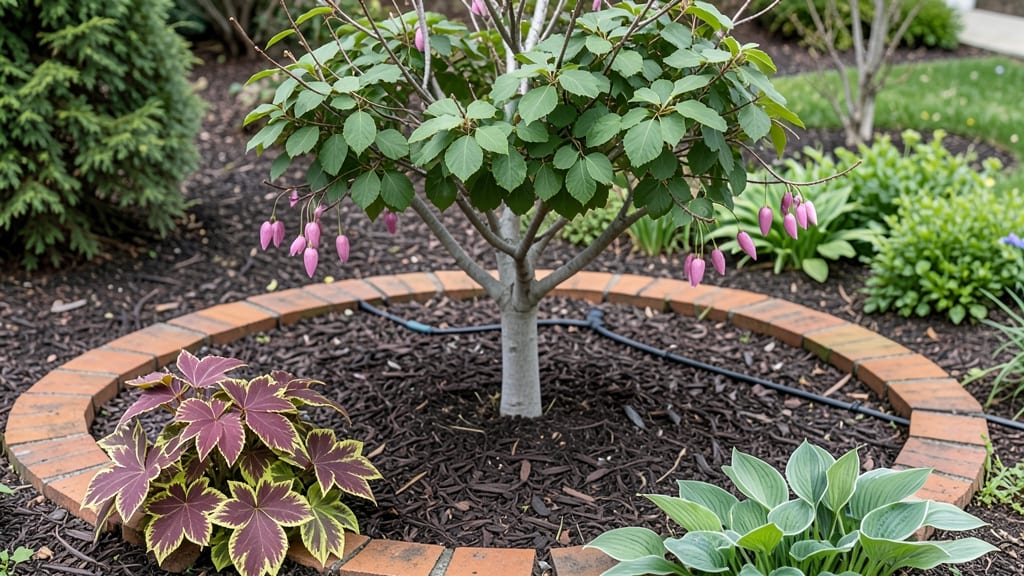
Creating a tree garden bed turns limited space into a lush, multi-level oasis where every layer—from roots to canopy—works together. 🌳 I started mine in a 6-foot-by-8-foot plot after realizing my backyard could support dwarf fruit trees, shrubs, and perennials without sacrificing lawn space.
The key? Choosing the right tree species that fit the height and spread of your bed while leaving room for understory plants.
Sunlight and drainage are non-negotiable—your bed needs at least 6 hours of sun daily and well-draining soil to prevent root rot. I layered my bed with a mix of dwarf apple trees (for structure), blueberry bushes (for fruit), and lavender (for fragrance and pollinators).
The trees anchor the design, while the shrubs and perennials fill gaps and create visual interest at eye level.
By the second year, my bed became a year-round showcase: spring blooms, summer shade, autumn colors, and winter structure. The dwarf trees produce fruit within 3-5 years, and the companion plants thrive without competing for light.
It’s not just functional—it’s a conversation piece that makes neighbors stop and ask, "How did you fit all that in?"
Works for urban backyards, courtyard gardens, or even large containers if drainage is right. The secret? Start small, prioritize low-maintenance species, and let the layers grow into harmony over time. Ready to transform that empty corner?
📚 In This Guide
- What you need
- Instructions
- Tips and common mistakes
- Wrapping up and next steps
What you need
- ● Container or Planter: A deep, sturdy planter (12–18" deep) or repurposed container (e.g., large pots, wooden crates, or fabric grow bags). Ensure it has drainage holes.
- ● Potting Soil: High-quality, well-draining potting mix (2–3 cubic feet, depending on container size). Avoid garden soil—it compacts too easily!
- ● Drainage Material: Small rocks (½–1" diameter), gravel, or broken pottery shards (1–2" layer at the bottom).
- ● Tree Saplings: Dwarf or semi-dwarf fruit/nut trees (e.g., apple, peach, fig, or citrus) or ornamental trees like Japanese maple. Choose 1–3 plants per container, spaced 6–12" apart.
- ● Compost or Fertilizer: Organic compost (1–2 cups per plant) or slow-release granular fertilizer (e.g., 10-10-10 or balanced organic blend).
- ● Mulch: Wood chips, straw, or shredded bark (1–2" layer on top) to retain moisture and suppress weeds.
- ● Trowel or Small Shovel: For digging and layering soil.
- ● Gloves: Heavy-duty gardening gloves to protect your hands.
- ● Watering Can or Hose with Nozzle: A gentle spray nozzle helps avoid displacing soil.
- ● Pruning Shears: For trimming roots or shaping young trees.
- ● Measuring Tape or Ruler: To ensure proper spacing between plants.
- ● Support Stakes or Trellis: For taller trees or vining plants (e.g., espalier training).
- ● Self-Watering System: Drip irrigation or a moisture meter to monitor soil hydration.
- ● Decorative Elements: Painted containers, solar lights, or mosaic tiles for a personalized touch.
- ● Epsom Salt or Micronutrients: For magnesium-rich soil (especially for fruit trees).
How to build a productive tree garden bed in limited space
This vertical approach transforms tight yards into lush, layered ecosystems where every inch grows something useful.
🌱 Step 1: Design Your Vertical Layers for Maximum Yield
Start by sketching your 4-foot deep bed with three distinct layers. The top 12-18 inches will host your fruit trees (dwarf varieties like columnar apples or espaliered peaches). Choose varieties suited to your climate zone—this ensures they thrive without outgrowing the space. Below them, the middle layer (18-30 inches deep) becomes home for shrubs like blueberries or currants, which benefit from the tree canopy's dappled shade.
Here's the thing—your bottom layer (30-48 inches) should focus on root crops like carrots, parsnips, or potatoes. These grow downward and won't compete with the trees' roots for space. I like to add compost-rich soil here to feed the deep-rooted vegetables while improving overall soil structure. Mark your layers with stakes to visualize the planting zones before you begin.
🪴 Step 2: Prepare the Soil with Deep Amendments
Dig out the planting area to a depth of 18 inches, breaking up any compacted soil with a broadfork. This prevents root-bound conditions later. Mix in 3 inches of compost and 1 cup of bone meal per square foot—this provides phosphorus for strong root development. For the bottom layer specifically, work in 2 gallons of coarse sand to improve drainage for your root crops.
Don't skip the soil test first. If your soil is heavy clay, add 2 inches of perlite to the bottom layer to prevent waterlogging. The trees' roots will anchor deeply, but the vegetables need loose soil to grow straight and true. After amending, water the entire bed deeply to settle the soil and help amendments integrate.
☀️ Step 3: Plant Trees and Shrubs with Strategic Spacing
Place your dwarf fruit trees in the top layer, spacing them 6-8 feet apart to allow airflow and future growth. I always plant them slightly deeper than their nursery containers—this encourages stronger root systems. For the shrubs, position them 3-4 feet away from the tree trunks, using their natural growth habit to fill the middle layer without crowding.
This is the moment that matters: mulch immediately with 3 inches of wood chips around the base of each plant, keeping it 6 inches away from the trunk to prevent rot. The mulch conserves moisture, regulates soil temperature, and suppresses weeds—critical for the shallow-rooted shrubs. Water deeply right after planting to eliminate air pockets around the roots.
🌿 Step 4: Layer Vegetables and Companion Plants
In the bottom layer, sow fast-growing radishes first—they mark where deeper-rooted crops like carrots can go. Space them 1 inch apart in rows 6 inches apart. For the carrots or parsnips, plant seeds ¼ inch deep and 2 inches apart, thinning to 3 inches once they sprout. The trees' shade will actually improve these vegetables' flavor by slowing their growth slightly.
Add companion plants like bush beans or lettuce around the tree bases—they fix nitrogen and provide ground cover. I also tuck in chives or garlic near the fruit trees to deter pests naturally. The key is keeping the top layer (trees) and middle layer (shrubs) distinct while letting the bottom layer fill in with quick growers.
⏰ Step 5: Maintain Layers with Seasonal Adjustments
Water the top layer (trees) deeply 2-3 times per week during dry spells, focusing on the drip line where roots spread. The middle layer (shrubs) needs 1 inch of water weekly, while the bottom layer (vegetables) thrives with ½ inch daily during hot weather. Use a soaker hose to deliver water directly to the roots without wetting the leaves.
In late winter, prune your fruit trees to maintain their shape and encourage airflow. Remove any suckers (shoots growing from the base) immediately—they drain energy from the tree. For the shrubs, trim back one-third of the oldest growth each year to keep them compact. The bottom layer will need succession planting—replace harvested radishes with spinach or kale for fall harvests.
Tips & tricks for perfect tree garden beds
Maximizing vertical space in your garden means paying attention to details that make all the difference between a crowded mess and a thriving ecosystem. Here's what I've learned after years of experimenting with layered garden beds.
Layer Depth Precision: When designing your 4-foot deep bed, use a tape measure to verify each layer's depth before planting. The top 12-18 inches for trees needs to be precise—too shallow and roots will compete with shrubs below. I mark my layers with wooden stakes at the exact depths (18 inches for middle, 30 inches for bottom) before planting to ensure proper spacing. This prevents future root conflicts that can stunt growth.
Soil Amendment Strategy: For the bottom layer's 2 gallons of coarse sand, I recommend pre-mixing it with the compost before adding to the planting area. This creates pockets of improved drainage throughout the entire layer rather than just at the bottom. When working with heavy clay soils, incorporate that 2 inches of perlite gradually—start with 1 inch, then add the second after the initial planting to avoid shocking the soil structure.
Planting Depth Technique: The trick to planting dwarf fruit trees slightly deeper than their containers is to create a small trench (about 2 inches deeper than the root ball) before placing them. This encourages roots to spread outward rather than circling the container. For the shrubs in the middle layer, I make a small mound of amended soil first—this helps position their roots at the correct depth without burying the stems.
Watering Layer Logic: Use different colored spray markers to label your watering zones on the bed's perimeter. This visual cue helps you remember that the top layer needs deep watering 2-3 times weekly while the bottom layer requires daily moisture during heatwaves. I've found that watering the top layer first allows water to percolate through to the lower layers, creating a natural irrigation system for your root crops.
Pro Tips for Tree Garden Bed
- Maximizing vertical space in your garden means paying attention to details that make all the difference between a crowded mess and a thriving ecosystem.
- Layer Depth Precision: When designing your 4-foot deep bed, use a tape measure to verify each layer's depth before planting.
- Soil Amendment Strategy: For the bottom layer's 2 gallons of coarse sand, I recommend pre-mixing it with the compost before adding to the planting area.
Frequently asked questions
Got questions about creating your own tree garden bed? You’re not alone! Here are some of the most common queries—and their practical solutions—to help you grow with confidence.
What’s the best time of year to plant a tree garden bed?
The ideal time is early spring (after the last frost) or fall (6–8 weeks before the first frost). These windows give roots time to establish before extreme temperatures. For tropical or warm-climate plants, late winter or early spring works best. Avoid planting in summer heat or winter freezes!
How often should I water a tree garden bed?
Water deeply 2–3 times per week for the first month, then taper to once a week (or more in extreme heat). Mulch helps retain moisture—aim for 1–2 inches around the base (but keep it 6 inches away from the trunk). Check soil moisture: If the top inch is dry, it’s time to water!
Can I use a tree garden bed for vegetables, or is it just for herbs?
While herbs thrive in tree garden beds, you can grow shallow-rooted veggies like lettuce, radishes, and strawberries. Avoid heavy feeders (e.g., tomatoes, corn) or deep-rooted plants (e.g., carrots, potatoes). Stick to fast-growing, nutrient-light crops for best results.
My tree garden bed leaves are turning yellow—what’s wrong?
Yellowing leaves often signal overwatering, nutrient deficiency, or poor drainage. Check the soil: If it’s soggy, reduce watering. For nutrients, try a balanced fertilizer or compost tea. If the bed drains poorly, add perlite or coarse sand to improve airflow. Pests? Inspect for aphids or mites!
Do I need a special tree for a tree garden bed, or can I use any?
Most fruit trees, citrus, or dwarf varieties work well, but avoid fast-growing or aggressive root systems (e.g., willows, poplars). Ideal picks: apple, peach, fig, or olive trees. If using a potted tree, ensure the container has drainage holes and choose a size that fits your bed’s depth (typically 18–24 inches).
Wrapping up and next steps
A tree garden bed transforms even the tiniest space into a thriving, multi-layered oasis—proving that abundance isn’t limited by square footage. By stacking plants vertically, you maximize yield, beauty, and sustainability while keeping maintenance simple.
Whether you’re a seasoned gardener or just starting, this method is your ticket to effortless greenery and fresh harvests year-round.
Ready to green up your world? Start small—pick one corner of your balcony, patio, or backyard—and let your tree garden bed grow! Grab your supplies and watch your vision take root. 🌱