
Blooming
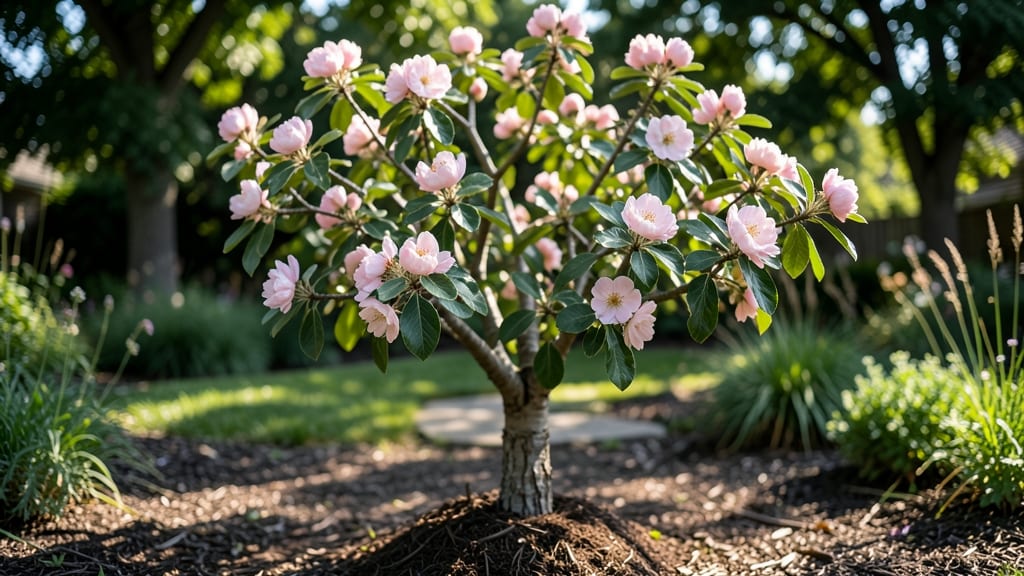
A quince tree in bloom turns your garden into a fragrant spring dream. 🌸 The delicate white blossoms create a cloud-like canopy that smells like honey and sunshine, drawing bees and butterflies while leaving you breathless.
Unlike roses, quince flowers don't wilt quickly—their petals stay crisp for weeks, making them the star of any garden border or focal point.
Plant yours near seating areas or garden paths where you can fully appreciate its intoxicating perfume. Pair it with lavender for a Mediterranean vibe or alongside clematis for a vertical floral display that blooms from spring through summer.
The tree's glossy, lobed leaves add year-round structure, while autumn brings bonus interest with its coppery foliage.
This isn't just a pretty face—quince trees have cultural roots too. Ancient Greeks and Romans prized them for both beauty and fruit (yes, those fragrant blossoms lead to delicious jelly!). Your neighbors will pause to admire it, and you'll get compliments for months.
The key to showcasing its blooms? Prune lightly in late winter to encourage an open, airy shape that lets the flowers shine.
Perfect for cottage gardens, modern landscapes, or even urban courtyards with enough space. The tree thrives in full sun to partial shade and handles most soil types—just give it room to grow (15-20 feet wide at maturity).
For maximum impact, plant three together to create a living floral arch. Your garden will never feel the same after quince season arrives.
📚 In This Guide
- What you need
- Instructions
- Tips and common mistakes
- Wrapping up and next steps
What you need
- ● Quince tree sapling: Choose a Cydonia oblonga variety (e.g., 'Smyrna,' 'Champion,' or 'Van Deman'). Buy from a reputable nursery—ensure it’s disease-resistant and well-rooted.
- ● Well-draining soil: Aim for a mix of 60% native soil, 30% compost, and 10% coarse sand or perlite to prevent root rot.
- ● Organic mulch: 3–4 inches of wood chips, straw, or shredded bark to retain moisture and suppress weeds.
- ● Slow-release fertilizer: A 10-10-10 NPK ratio (e.g., Espoma Garden-Tone) to kickstart growth.
- ● Garden shovel and trowel for digging.
- ● Pruning shears (sterilized with rubbing alcohol) for shaping.
- ● Watering can or hose with a gentle spray nozzle.
- ● Measuring tape to mark planting depth (typically 2–3 times the root ball’s diameter).
- ○ Optional but helpful: Soil pH tester (ideal range: 6.0–7.0).
- ● Tree stake and soft tie (if planting in windy areas).
- ● Drip irrigation system for long-term care.
- ● Sunlight: A full-sun location (6+ hours/day)—quince trees thrive in warmth!
- ● Space: Minimum 15–20 feet between trees (or other structures) for airflow.
- ● Climate: Hardy in USDA Zones 5–9; avoid frost pockets.
- ● Cross-pollination: Plant at least 2 quince trees (different varieties) for fruit production.
How to care for a quince tree in full bloom
Here's how to keep your fragrant quince tree thriving once those stunning blossoms appear.
☀️ Step 1: Ensure Proper Light Exposure
Quince trees need full sun—at least 6-8 hours daily—to maintain vibrant blooms and healthy growth. If your tree is in partial shade, you'll notice fewer flowers and smaller fruit later. I always check the tree's position during the longest day of spring to confirm it gets enough light.
Watch for leaves that appear pale or stretched toward the light—this means the tree is reaching for more sun. If you spot this, consider pruning nearby trees or shrubs that might be shading your quince. The best bloom production happens when the tree receives unfiltered sunlight from morning until afternoon.
💧 Step 2: Water Deeply and Consistently
Once the tree is in full bloom, water it deeply once a week—that's about 10-15 gallons for a mature tree. The key is to soak the root zone thoroughly, encouraging roots to grow deeper rather than staying shallow. You'll know you've watered enough when the top 6 inches of soil feel moist.
Quince trees are drought-tolerant once established, but during bloom, consistent moisture prevents buds from dropping prematurely. Avoid wetting the leaves or flowers—water at the base instead. If the soil feels dry 2 inches down before your usual watering day, give it an extra drink.
✂️ Step 3: Prune After Blooming Season
Wait until 2-3 weeks after the last flower falls before pruning—this ensures you don’t accidentally remove next year’s buds. Focus on removing any dead, diseased, or crossing branches first. I always start by thinning the center of the tree to improve airflow, which reduces the risk of fungal issues.
Cut back any suckers (shoots growing from the base) and shape the tree to maintain an open canopy. Avoid heavy pruning—never remove more than 25% of the tree’s foliage at once. You’ll see stronger growth and even more abundant blooms the following spring if you keep the tree’s natural shape.
🌿 Step 4: Fertilize for Next Year’s Blooms
After the blooms fade, apply a balanced, slow-release fertilizer (like 10-10-10) around the tree’s drip line. Spread it evenly in a 3-inch-wide band and water it in well. This feeds the roots without burning the tree, setting it up for a spectacular display next spring.
Skip fertilizing if your soil is rich—over-fertilizing can lead to excessive leaf growth at the expense of flowers. Instead, focus on adding 2-3 inches of organic mulch (like wood chips) around the base to retain moisture and improve soil health. Replenish the mulch annually to keep the roots cool and the blooms plentiful.
Tips & tricks for perfect quince tree blooms
Here's what nobody tells you about keeping your quince tree's spring display spectacular.
Light Exposure Secret: The 6-8 hours of daily sun aren't just about quantity—they're about quality. Position your tree to receive morning sunlight first, as this helps prevent fungal issues that can develop from evening moisture. I've seen quince trees in partial shade produce half as many blooms because the flowers simply don't get enough energy to develop fully. If you're in a region with intense afternoon sun, consider providing some afternoon shade during the hottest months to protect the delicate blossoms.
Watering Wisdom: Those 10-15 gallons per week might seem like a lot, but think about it this way: a mature quince tree has roots that spread much wider than its canopy. The key is to water deeply enough that the moisture reaches at least 12 inches down—this encourages the roots to grow deeper, making your tree more resilient. I've found that using a soaker hose for about 30 minutes delivers the perfect amount without wasting water. And here's a pro move: water in the early morning so the foliage has all day to dry, reducing the risk of fungal diseases that love damp conditions.
Pruning Precision: The 2-3 week waiting period after blooms fall is crucial, but what's even more important is how you prune. Always make your cuts at a 45-degree angle just above an outward-facing bud. This technique, called "heading back," encourages new growth in the right direction. I've made the mistake of cutting too close to the trunk—this can leave ugly stubs that never heal properly. And remember, those suckers at the base? They might look harmless, but they drain energy from your main tree. Remove them completely at the base with a clean cut.
Fertilizer Timing: That 3-inch-wide band of fertilizer might seem small, but it's precisely calculated to deliver nutrients where the roots are most active. The key is to apply it right after blooming, when the tree is focusing its energy on fruit development rather than just flowers. I've seen gardeners overdo it with fertilizer, leading to lush foliage but no blooms the next spring. If you're unsure about your soil's richness, do a simple soil test—it's worth the investment to know exactly what your quince needs.
Pro Tips for Quince Tree In Bloom
- Here's what nobody tells you about keeping your quince tree's spring display spectacular.
- Light Exposure Secret: The 6-8 hours of daily sun aren't just about quantity—they're about quality.
- Watering Wisdom: Those 10-15 gallons per week might seem like a lot, but think about it this way: a mature quince tree has roots that spread much wider than its canopy.
Frequently asked questions
When do quince trees typically bloom, and how long does it last?
A quince tree’s showstopping bloom usually arrives in early to mid-spring (March–April in most U.S. zones), just before or with apple blossoms. The flowers last 7–14 days, but their intoxicating fragrance lingers for weeks. Pro tip: Plant near patios or windows to savor the scent without the bees!
Can I eat the flowers or fruit from a quince tree?
While quince flowers are edible (often used in teas or garnishes), the fruit itself is tart and inedible raw. It must be cooked into jams, jellies, or pastries to soften and sweeten. Warning: Unripe fruit can cause stomach upset—always cook thoroughly!
Why isn’t my quince tree blooming this year?
Common culprits include young age (trees under 3–5 years may skip blooms), poor pollination (plant a second tree nearby!), or stress from drought, pests, or over-pruning. Check for aphids or spider mites on buds—spray with neem oil if needed. Solution: Fertilize in early spring with citrus-specific food to encourage growth.
Are quince trees low-maintenance? What do they need to thrive?
Yes! Quince trees are drought-tolerant once established but thrive with well-draining soil and full sun (6+ hours/day). Prune after blooming to shape and remove dead wood. Bonus: They’re deer-resistant and pest-free compared to many ornamentals!
Can I grow a quince tree in a container? What size pot do I need?
Dwarf varieties like ‘Issai’ or ‘Kanzi’ thrive in 15–20 gallon pots with drainage holes. Use lightweight potting mix and repot every 2–3 years. Watch for: Root-bound stress (check for circling roots) and winter protection in cold climates (wrap pots in burlap).
Wrapping up and next steps
A quince tree in bloom isn’t just a sight to behold—it’s a fragrant, magical centerpiece that breathes life into your garden. From its delicate blossoms to its lush foliage, this resilient tree offers beauty, practicality, and even culinary rewards.
Whether you’re a seasoned gardener or just starting, planting one is a gift that keeps giving year after year.
Ready to transform your outdoor space? 🌸 Start by choosing the perfect spot, gathering your supplies, and taking the first step—your future self (and pollinators!) will thank you. Happy planting!