
Blooming
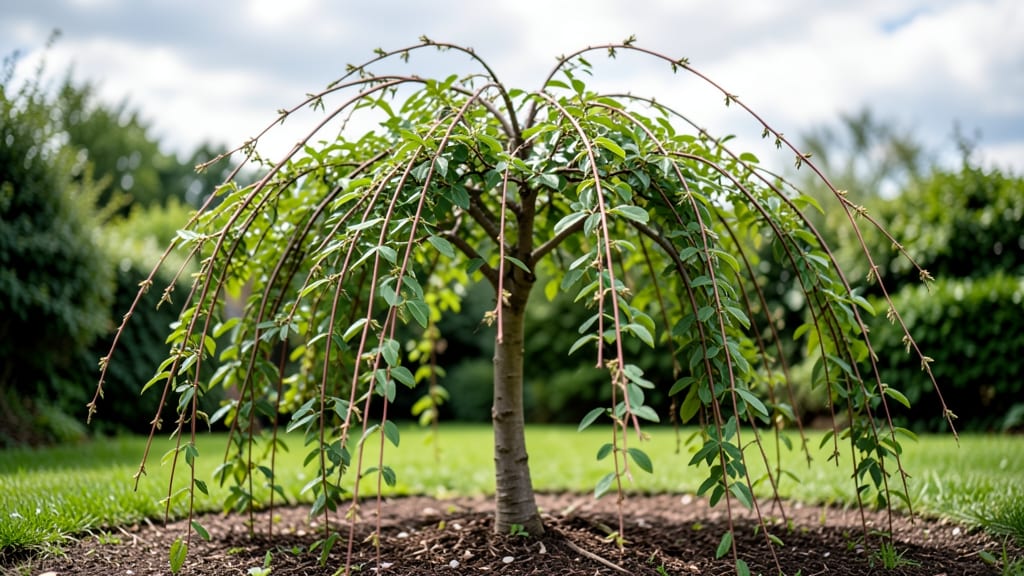
Your weeping cherry tree just finished its stunning spring show—but that’s when the real work begins. ✨ After the petals fall, proper care keeps those cascading branches lush and the tree blooming for decades.
I’ve learned the hard way that skipping post-bloom maintenance leads to weak growth and fewer flowers next year.
The key moves are simple but critical: prune to shape and strengthen the structure, fertilize lightly to avoid leafy overgrowth, and adjust watering to match the heat.
My tree now produces more blooms each spring because I focus on removing dead wood and thinning crowded branches in late spring—right after the last frost. The goal isn’t just aesthetics; it’s about setting up the tree for next year’s show.
You’ll also spot early signs of pests like aphids or borers (tiny holes in bark are a red flag) and treat them before they take hold. With consistent care, your weeping cherry will reward you with stronger branches, denser foliage, and even more dramatic blooms in years to come.
The best part? These steps take less than an hour once you know the routine.
Whether you’re dealing with a young sapling or a mature tree, the principles stay the same—just scale the tools. Let’s get your cherry tree ready for its next grand performance, starting with the right moves after this year’s flowers fade.
📚 In This Guide
- What you need
- Instructions
- Tips and common mistakes
- Wrapping up and next steps
What you need
- ● Pruning shears: Bypass pruners (sharp, 6–8 inches) for clean cuts on small branches.
- ● Loppers: Bypass or anvil type (18–24 inches) for thicker branches (up to 2 inches in diameter).
- ● Pruning saw: Curved-tooth saw for branches thicker than 2 inches.
- ● Disinfectant: 70% isopropyl alcohol or bleach solution (1 part bleach to 9 parts water) to sterilize tools.
- ● Gloves: Heavy-duty gardening gloves (cut-resistant for safety).
- ● Rubbing alcohol or hand sanitizer: For cleaning hands between cuts.
- ○ Pruning sealant (optional but helpful): Tree wound dressing (like Tanglefoot Tree Wound Pruning Seal) for larger cuts.
- ● Extension pole: For reaching high branches safely.
- ● Tarp or drop cloth: To catch debris and protect the ground.
- ● Marking paint or tape: Bright-colored spray paint to mark branches for removal.
- ● Safety glasses: To protect eyes from flying debris.
- ● Notebook & pen: For jotting down pruning notes or progress.
How to prune a weeping cherry tree after blooming
Keep your tree looking stunning while encouraging healthy growth—just follow these simple steps.
✂️ Step 1: Wait Until After Full Bloom
Timing is everything with weeping cherries. Wait until all flowers have fallen and new leaves have fully emerged before pruning. This ensures you don’t accidentally remove next year’s blooms, which form on last year’s growth. I usually prune in mid-to-late spring, about 6-8 weeks after flowering.
If you prune too early, you risk cutting off flower buds that haven’t opened yet. If you wait too long, you may encourage excessive summer growth that won’t harden off before winter. Look for fully hardened new leaves and a few weeks of warm weather before making cuts.
🌿 Step 2: Remove Dead or Damaged Branches First
Start by inspecting the tree for any branches that are dead, broken, or crossing. Dead branches will be dry, brittle, and often dark brown or gray. Cut these out first at the branch collar—the swollen area where the branch meets the trunk—to prevent disease entry points.
Crossing branches rub against each other, creating wounds that invite pests and disease. Use clean, sharp pruning shears to make a clean cut just outside the branch collar. Never leave stubs—this weakens the tree and looks unnatural. If a branch is larger than 2 inches thick, use a pruning saw for a smooth cut.
✂️ Step 3: Thin Out Overcrowded Areas
Weeping cherries have a natural, graceful shape, but overcrowded branches can make the tree look messy. Focus on removing branches that grow inward or downward, as these block airflow and sunlight. Aim to open up the center of the tree so light reaches all parts.
I like to step back every few cuts to visualize the tree’s shape. You’re not trying to drastically reshape it—just refine its natural form. Remove no more than 25% of the tree’s foliage in one season to avoid stressing it. If you’re unsure, err on the side of caution and leave a branch rather than cutting too much.
🌱 Step 4: Lightly Shape for Balance and Airflow
Now’s the time for subtle shaping. Look for branches that disrupt the tree’s graceful weeping form—perhaps a few that grow too upright or too outward. Trim these back to a lateral branch or bud that faces the direction you want growth to continue.
Use your fingers to feel for buds along the branch. Make cuts just above an outward-facing bud at a 45-degree angle. This encourages new growth in the direction you want. Avoid heavy pruning—weeping cherries respond best to gentle, strategic cuts that maintain their elegant silhouette.
💧 Step 5: Clean Up and Protect the Tree
After pruning, remove all clippings from the area to prevent disease and pests from lingering. Sterilize your tools with rubbing alcohol or a 10% bleach solution to avoid spreading pathogens between cuts.
Apply a thin layer of wound sealant to any large cuts over ½ inch thick, but skip it for smaller cuts—the tree’s natural healing response is usually sufficient. Water the tree deeply after pruning to help it recover. Mulch around the base with 2-3 inches of organic mulch, keeping it a few inches away from the trunk to prevent rot.
Tips & tricks for pruning weeping cherry trees after blooming
Between us, timing and technique make all the difference with these delicate trees. Here’s how to avoid common mistakes and keep your weeping cherry thriving.
Timing Secret: The 6-8 week window after flowering is non-negotiable. I’ve seen gardeners rush this step and end up with next year’s blooms cut off—heartbreaking for a tree that takes years to mature. Look for fully hardened leaves (they should feel firm, not soft) and at least two weeks of warm weather ahead. If you’re unsure, wait a little longer rather than risking early pruning.
Tool Technique: Sharp tools are your best friend here. Dull shears tear branches, creating jagged wounds that invite disease. I keep a pair of bypass pruners dedicated just to my weeping cherry, and I hone them before each pruning session. For branches over 2 inches thick, switch to a pruning saw—never use a handsaw, as it can cause unnecessary damage to the branch collar.
Shape Strategy: Step back every 3-4 cuts to visualize the tree’s silhouette. Weeping cherries have a natural cascading shape, so avoid creating a flat top or overly dense center. When thinning, prioritize branches that grow inward or downward—they block airflow and sunlight from reaching the inner branches. Remember, you’re refining, not reshaping—think of it like giving your tree a haircut that enhances its natural beauty.
Recovery Wisdom: After pruning, the tree’s natural healing process begins immediately. For cuts over ½ inch thick, I apply a thin layer of wound sealant to prevent moisture loss and infection. But here’s the thing: smaller cuts don’t need sealant—they heal faster with their natural protective layer. Deep watering after pruning helps the tree recover, but don’t overdo it. The goal is to keep the soil consistently moist, not soggy.
Pro Tips for Weeping Cherry Tree After Blooming
- Between us, timing and technique make all the difference with these delicate trees.
- Timing Secret: The 6-8 week window after flowering is non-negotiable.
- Tool Technique: Sharp tools are your best friend here.
Frequently asked questions
Got questions about caring for your weeping cherry tree after those stunning blooms fade? You’re not alone! Here are some of the most common queries—and expert answers—to keep your tree thriving year-round.
When is the best time to prune a weeping cherry tree after blooming?
Prune your weeping cherry tree right after flowering (late spring to early summer) to avoid cutting off next year’s blossoms. This timing also encourages strong growth before winter. Avoid heavy pruning in fall or winter, as it stresses the tree and invites disease.
How much can I trim back a weeping cherry tree without harming it?
Remove no more than 25-30% of the tree’s foliage in a single session to prevent shock. Focus on thinning out crowded branches, dead wood, and crossing limbs. Weeping cherries respond well to light, regular pruning—think of it like a haircut, not a buzz cut!
What should I do if my weeping cherry tree isn’t blooming well after pruning?
Poor blooming often stems from over-pruning or nutrient deficiencies. Ensure your tree gets balanced fertilizer (high in phosphorus) in early spring. Also, check for pests or fungal issues—yellowing leaves or sawdust-like frass on branches are red flags.
Are there alternatives to weeping cherry trees for low-maintenance blooms?
If weeping cherries feel high-maintenance, consider Japanese maples (dramatic foliage + small flowers) or ornamental grasses like Miscanthus (easy care, graceful arcs). For spring color without pruning hassles, crabapple trees or dogwoods are great substitutes.
Why are the new leaves on my weeping cherry tree curling or discolored?
Curling or spotted leaves usually signal pests (like spider mites or aphids) or fungal diseases (e.g., powdery mildew). Spray with neem oil or insecticidal soap for pests, and ensure good airflow by pruning densely packed branches. If fungus is the culprit, apply a fungicide and avoid overhead watering.
Wrapping up and next steps
The weeping cherry tree after blooming is a stunning sight—but its true magic lies in the care you invest. Pruning at the right time, using the right tools, and following best practices ensures your tree stays healthy, vibrant, and full of life year-round.
With patience and attention, you’ll cultivate a graceful, thriving centerpiece that rewards you with beauty for seasons to come.
Ready to take the next step? Mark your calendar for late winter or early spring—when your tree is still dormant—and grab your pruning tools. A little effort now means lush foliage, stronger branches, and even more breathtaking blooms next year. Happy pruning! 🌸✂️