
Blooming
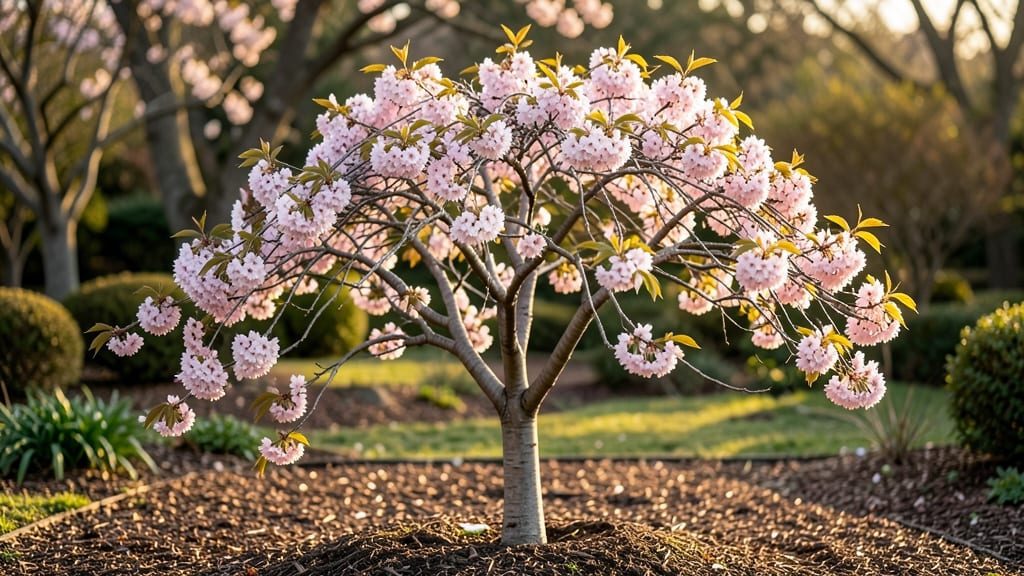
Planting a Japanese cherry blossom tree nearby transforms your space into a seasonal masterpiece with minimal pruning effort—and the right location makes all the difference. 🌸 I’ve watched these trees turn neighborhoods into dreamy pink canopies for weeks, all while requiring less upkeep than most ornamentals.
The secret lies in matching their needs to your yard’s natural conditions, whether that’s a sunlit lawn, a park bench spot, or even a large container near your patio.
These trees thrive in full sun to partial shade, making them perfect for open lawns or alongside buildings where morning light brightens the blossoms. Well-draining soil is key—avoid soggy spots where roots rot—and a slightly acidic pH (6.0-6.5) keeps them happy.
If your yard lacks ideal conditions, consider planting near a community garden or public space where the tree’s beauty can be shared. Local nurseries often stock varieties like Prunus serrulata or Prunus x yedoensis, which bloom reliably even in cooler climates.
Once established, a cherry blossom tree rewards you with spring’s most dramatic show—and yes, some varieties even produce delicate fruit later in the season. The minimal pruning needed mostly involves removing dead branches in late winter, so you spend more time admiring than maintaining.
Pair it with spring bulbs or ground cover for year-round interest, and you’ll have a focal point that feels like a secret garden waiting to unfold.
For urban spaces, dwarf varieties fit smaller yards or containers, while standard trees make a statement along driveways or near sidewalks. Check local regulations before planting near streets—some cities restrict large trees for safety reasons.
Either way, the payoff is worth it: a tree that turns your corner of the world into a fleeting, magical springtime escape.
📚 In This Guide
- What you need
- Instructions
- Tips and common mistakes
- Wrapping up and next steps
What you need
- ● Cherry blossom tree (Prunus serrulata) – Choose a dwarf variety (e.g., 'Kwanzan' or 'Shirotae') for smaller spaces or a standard variety for full bloom impact.
- ● High-quality potting soil or garden soil – Well-draining, slightly acidic (pH 5.5–6.5). Mix in compost (1 part compost to 3 parts soil) for nutrients.
- ● Mulch (wood chips or shredded bark) – 2–3 inches to retain moisture and regulate soil temperature.
- ● Slow-release fertilizer – Look for a balanced 10-10-10 or 20-20-20 formula (spring and early summer application).
- ● Watering can or hose with a gentle spray nozzle – Cherry blossoms need 1–1.5 inches of water per week (more during blooming season).
- ● Pruning shears – Bypass pruners (for clean cuts) or loppers (for thicker branches). Sterilize with rubbing alcohol between cuts!
- ● Gloves (gardening or work gloves) – Protects hands from thorns and soil.
- ● Staking kit (for young trees) – Includes 2–3 stakes and tree ties to support growth.
- ○ Tree guard or protective barrier – Optional for young trees to deter pests or curious pets.
- ○ Soil pH test kit – Ensures optimal growing conditions (optional but helpful).
- ● Decorative stakes or plant markers – For labeling and adding a touch of charm to your tree’s spot!
Step-by-Step guide to enjoying a Japanese cherry blossom tree year-round
Here’s how to make the most of your nearby cherry blossom without heavy maintenance.
🌿 Step 1: Understand the Tree’s Natural Growth Cycle
Japanese cherry blossoms (Prunus serrulata) thrive with minimal intervention when you respect their seasonal rhythms. The tree’s beauty unfolds in phases: spring blooms (March–April), summer foliage, and autumn color before dormancy. I always mark the first pink buds on my calendar—they signal the tree’s readiness for light pruning.
Observe the tree’s structure: strong branches form a natural canopy, while weak limbs grow inward. These inward branches compete for sunlight and can become disease traps. Note where sunlight hits the trunk—this tells you where to focus pruning to encourage airflow and light penetration.
☀️ Step 2: Time Pruning for Minimal Effort
Prune only during dormancy (late fall to early winter) to avoid disturbing spring blooms. This is the tree’s natural rest period, so it recovers quickly. I use clean, sharp bypass pruners to make 45-degree cuts just above outward-facing buds—this encourages growth in the right direction.
Remove dead, diseased, or crossing branches first. These are easy to spot: dead wood snaps when bent, while crossing branches rub against each other, creating wounds. Thin the canopy by 20-30% to improve light and air circulation—this prevents fungal issues and keeps the tree healthy for decades.
🪴 Step 3: Enhance Year-Round Interest Without Overworking
Cherry blossoms shine in spring, but their foliage and bark add value year-round. In late winter, apply a 2–3 inch layer of mulch (wood chips or bark) around the base to retain moisture and suppress weeds. Keep mulch 6 inches away from the trunk to prevent rot.
For extra visual appeal, plant spring-blooming bulbs (like daffodils) beneath the tree. Their flowers peek through the canopy in early spring, extending the seasonal show. Avoid heavy fertilizers—they encourage leafy growth at the expense of blossoms. A light application of 10-10-10 fertilizer in early spring keeps the tree balanced.
✂️ Step 4: Maintain Health Through Seasonal Check-Ins
Inspect the tree monthly for pests like aphids or scale insects, which hide on new growth. A strong spray of water dislodges most pests—no chemicals needed. If you spot black spots on leaves, it’s likely anthracnose fungus; remove infected leaves immediately and improve airflow with light pruning.
Water deeply once a week during dry spells, focusing on the root zone (not the canopy). A drip irrigation system works best—it delivers moisture slowly and reduces runoff. Overhead watering wets the foliage, inviting fungal diseases. Let the soil dry slightly between waterings to prevent root rot.
🌱 Step 5: Preserve the Tree’s Longevity for Generations
Japanese cherry blossoms live 20–30 years (or longer) with proper care. To extend its life, avoid heavy pruning—focus on shaping and thinning rather than dramatic cuts. The tree’s natural form is its beauty; prune to open the canopy, not reshape it.
If the tree’s trunk splits or cracks, do not prune near the damage. Instead, consult an arborist. These trees are resilient, but structural issues require professional attention. Celebrate the tree’s age—each crack tells a story of seasons survived, and its presence enriches the neighborhood long after the blooms fade.
Tips & tricks for perfect year-round cherry blossom care
Here's what nobody tells you about keeping your Japanese cherry blossom thriving with minimal fuss.
Seasonal Observation: Mark your calendar when you first spot those delicate pink buds in early spring—they're your signal to start light pruning preparations. I've learned that the first blooms appear about 2-3 weeks earlier than the peak bloom period, so timing your pruning just after they fall (late April) gives the tree time to recover before summer heat arrives.
Pruning Precision: When making those 45-degree cuts during dormancy (Step 2), focus on branches that are at least pencil-thick. Thinner branches are better left alone—they contribute to the tree's natural shape and provide habitat for beneficial insects. Use your pruners to cut just outside the branch collar where it meets the trunk, never flush against it.
Mulch Mastery: That 2-3 inch layer of mulch in late winter (Step 3) should be spread in a donut shape—keep it 6 inches away from the trunk to prevent moisture buildup that causes rot. I've found that wood chips break down more slowly than bark, so they last longer between applications. For extra protection in winter, add a 2-3 inch layer of straw mulch over the wood chips.
Pest Prevention: During your monthly inspections (Step 4), pay special attention to the undersides of leaves where aphids love to hide. A sharp spray of water from the hose works wonders—just be sure to do this in the early morning so leaves have time to dry completely before evening. For stubborn infestations, mix 1 tablespoon of mild dish soap with a gallon of water for a natural insecticidal spray.
Pro Tips for Japanese Cherry Blossom Tree Nearby
- Here's what nobody tells you about keeping your Japanese cherry blossom thriving with minimal fuss.
- Seasonal Observation: Mark your calendar when you first spot those delicate pink buds in early spring—they're your signal to start light pruning preparations.
- Pruning Precision: When making those 45-degree cuts during dormancy (Step 2), focus on branches that are at least pencil-thick.
Frequently asked questions
Got questions about finding, caring for, or enjoying a Japanese cherry blossom tree nearby? Here are some of the most common ones—and their answers!
When is the best time to plant a cherry blossom tree nearby?
The ideal time to plant a cherry blossom tree is in early spring (March–April) or late fall (October–November). This gives roots time to establish before extreme weather. If you’re in a warmer climate, late winter (before buds swell) works too. Avoid planting during peak bloom—the tree needs energy to recover!
How long does it take for a cherry blossom tree to bloom?
Most Japanese cherry blossoms (Prunus serrulata) take 3–5 years to produce their first flowers after planting, depending on variety and care. Dwarf varieties may bloom sooner (2–3 years), while standard trees could take up to 7 years. Patience pays off—once established, they bloom spectacularly for decades!
Do cherry blossom trees need a lot of pruning?
Not at all! These trees thrive with minimal pruning. Focus on removing dead, diseased, or crossing branches in late winter (before buds swell). Avoid heavy pruning—it can reduce next year’s blooms. A light trim to shape the canopy in early spring keeps them looking natural and healthy.
Can I grow a cherry blossom tree in a pot?
Yes, but it’s tricky! Dwarf varieties (like ‘Kwanzan’ or ‘Shirotae’) work best in large containers (15+ gallons). Use well-draining soil and repot every 2–3 years. Keep in mind: Potted trees may bloom less vigorously than in-ground plants and need winter protection in cold climates. Best for patios or small yards!
Are cherry blossom trees messy? Do they drop a lot of debris?
Yes, but it’s part of the charm! After blooming, petals fall heavily for 1–2 weeks, creating a "snowstorm" effect. While not overly messy, they do require regular cleanup (rake leaves/petals) to prevent mold or pests. The trade-off? Stunning spring beauty and minimal pruning needs!
What’s the coldest climate where cherry blossoms will survive?
Most Japanese cherry blossoms tolerate USDA Zones 5–8 (down to -15°F/-26°C with proper care). For colder areas (Zone 4), choose hardier varieties like ‘Autumnalis’ or ‘Tokyo Hills’. Mulch heavily in winter and water deeply before frost. Young trees need extra protection until established!
Wrapping up and next steps
Discovering a Japanese cherry blossom tree nearby is like unlocking a slice of serene beauty that requires surprisingly little upkeep! These enchanting trees offer year-round charm—from delicate pink blooms in spring to graceful foliage and even subtle winter interest.
With minimal pruning and care, you can enjoy their elegance without the hassle.
Ready to bring this timeless beauty to your space? Start by checking local nurseries or botanical gardens for saplings or mature trees. If you’re unsure about placement, consider consulting a local arborist—your future cherry blossom haven awaits! 🌸✨