
Pruning
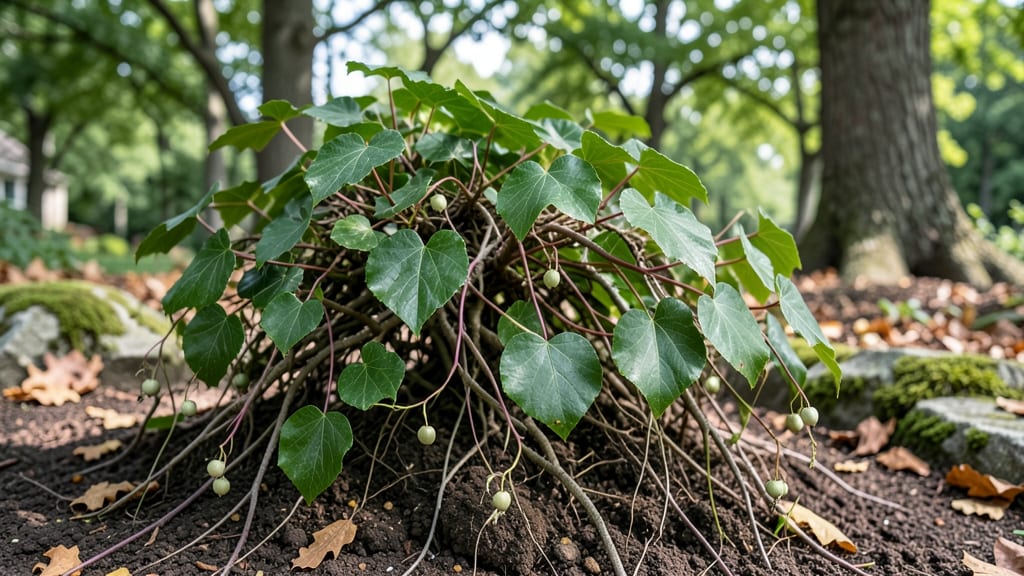
Poison ivy climbing your tree isn't just ugly—it's a stubborn invader that comes back stronger every year. 🌿 I've battled this vine for years, and I've finally cracked the code for permanent removal when the plant's dormant.
The key? Timing, technique, and knowing exactly where to cut to starve those roots for good.
Most people make one critical mistake: cutting too high or leaving stumps that regrow. I learned the hard way that poison ivy thrives on half-measures.
You need sharp pruners, thick gloves, and a trash bag big enough to contain every single piece—because even a tiny fragment can sprout into a new vine. The dormant season (late fall or winter) is your best shot, when the plant's energy is stored and regrowth is nearly impossible.
By the end of winter, you'll have a tree free of that clinging vine, with no new growth appearing next spring. The secret is cutting at the base (not just the vine) and disposing of everything in sealed bags.
No herbicides needed—just elbow grease and patience. Your tree will thank you with fresh, unobstructed growth by spring.
If you're replacing the vine, consider fast-growing, non-invasive options like clematis or virgin's bower—both are beautiful and won't take over your yard. The right replacement can actually enhance your tree's appearance while keeping your skin safe. Let's get that poison ivy gone for good.
How Vines Invade Trees Naturally
Poison ivy doesn’t just randomly cling to trees—it’s a strategic survivor with a few sneaky tricks up its leafy vine. Understanding why it happens is the first step to outsmarting it. Here’s the science behind its persistence, broken down into the key culprits that let it take over your yard.
Poison ivy isn’t just a ground-hugging weed—it’s an expert climber with specialized structures designed for tree conquest:
- Aerial Roots (Hairlike Holdfasts): These tiny, root-like tendrils (called rhizomes or stolons) latch onto bark, fences, or even rough surfaces. Think of them as microscopic Velcro strips that grip and grow stronger over time.
- Twining Vines: Unlike some vines that coil clockwise or counterclockwise, poison ivy’s vines twist in a spiral pattern, wrapping tightly around branches to stabilize itself. This grip lets it pull itself upward, even in windy conditions.
- Light-Seeking Growth (Heliotropism): Poison ivy vines grow toward sunlight, which means they’ll prioritize climbing trees over spreading on the ground if given the chance. Trees provide the perfect vertical highway to reach the canopy.
Pro Tip: 💡 If you’ve ever seen poison ivy climbing a tree but not on the ground below, it’s because the vine is actively choosing the tree as its growth path—sunlight and stability win every time.
Not all trees are equal when it comes to poison ivy infestations. Certain features make them ideal hosts:
- Rough or Textured Bark: Smooth-barked trees (like maples) are harder to grip, but trees with deep grooves, ridges, or peeling bark (e.g., oaks, elms, or fruit trees) give poison ivy perfect handholds. The rougher the surface, the more anchor points for those aerial roots.
- Thin or Flexible Branches: Young, pliable branches bend under the vine’s weight, allowing poison ivy to wrap tighter over time. Mature, rigid branches can still fall victim, but they take longer to succumb.
- Moisture-Retentive Surfaces: Trees with moss, lichen, or damp bark (common in shaded or humid areas) create a microclimate that poison ivy loves. The extra moisture helps its roots stay hydrated and grow faster.
Warning: ⚠️ Trees with dead or dying branches are prime targets—poison ivy exploits weak spots where the tree can’t fight back.
Poison ivy’s climbing habits aren’t just about physics—they’re also tied to its dormant-season survival strategies:
- Late-Winter Bud Break: In early spring, poison ivy reactivates its growth before many trees do. If you prune a tree in late winter or early spring, you might accidentally stimulate the ivy below by exposing it to sunlight and warmth.
- Root System Resilience: Even if the above-ground vines die back in winter, the underground roots (rhizomes) remain dormant but alive. When pruning season arrives, these roots sense the disturbance and send up new shoots to reclaim space.
- Competition for Resources: Trees in dormancy are less aggressive in resource competition (water, nutrients, sunlight). Poison ivy exploits this by stealing sunlight and moisture that the tree would otherwise use to recover.
Key Insight: ✨ The best time to permanently remove poison ivy from trees is late summer to early fall, when the vine’s energy is focused on root storage—not regrowth.
Sometimes, the real culprit is us. Common gardening or landscaping mistakes can turn a small ivy problem into a full-blown invasion:
- Improper Pruning Timing: Cutting trees too late in the season (after the ivy has already sent out new shoots) encourages regrowth. The vine interprets the pruning as damage and ramps up production.
- Organic Mulch or Leaf Litter: Piling mulch or fallen leaves near tree bases traps moisture, creating the perfect conditions for poison ivy rhizomes to sprout. Even well-meaning compost piles can harbor dormant ivy.
- Tool Contamination: Pruners, saws, or even lawnmowers can transfer ivy fragments from one area to another. A single contaminated cut can introduce poison ivy to a new tree within weeks.
Action Step: 🧹 Always disinfect tools with a 10% bleach solution or rubbing alcohol after pruning ivy-infested trees to prevent spread.
Now that you know why poison ivy turns trees into its personal jungle gym, the next step is learning how to prune strategically to starve it out for good. Stay tuned!
Eliminate Poison Ivy Permanently
Dealing with poison ivy creeping up your tree vine isn’t just an eyesore—it’s a persistent problem that can spread if left unchecked. The good news? With the right approach, you can cut it out for good and keep it from returning.
Below, we break down the most effective solutions based on the root cause of your infestation, from manual removal to long-term prevention.
If poison ivy is already climbing your tree vine, physical removal is your first line of defense. The key is to eliminate the vine completely, including the roots, to prevent regrowth.
🔪 Step-by-Step Pruning Guide
- 🛡️ Protect Yourself First
- Wear long sleeves, gloves, and goggles (poison ivy oil can contaminate tools and skin).
- Use disposable tools or thoroughly clean reusable ones with rubbing alcohol afterward.
- 🌱 Identify the Main Stems
- Look for thick, woody vines—these are the primary sources of regrowth.
- Follow the vine down to the base where it meets the ground or tree trunk.
- ✂️ Cut Below the Soil Line (If Possible)
- If the vine is attached to the tree trunk, cut as close to the base as possible (but avoid damaging the tree).
- If it’s rooted in the ground, dig carefully to expose the rhizomes (underground stems) and cut them with pruners or a shovel.
- 🔥 Burn or Bag the Debris (Safely!)
- Never compost poison ivy—it can spread!
- Option 1: Burn the clippings in a metal container (check local burn regulations).
- Option 2: Double-bag them in plastic and dispose of them in the trash.
⚠️ Pro Tip: If the vine is too thick, consider vinegar or herbicide (see next section) to weaken it before cutting.
Some poison ivy roots run deep or are hidden in hard-to-reach places. In these cases, herbicides or natural alternatives can help eradicate stubborn patches.
🌱 Best Herbicides for Poison Ivy
| Method | How to Apply | Pros | Cons |
|---|---|---|---|
| Glyphosate (Roundup) | Spray directly on leaves and stems (avoid tree bark). | Fast-acting, kills roots. | Non-selective (can harm nearby plants). |
| Triclopyr (Ortho Poison Ivy Killer) | Apply to foliage and stems. | Targets poison ivy specifically. | Requires multiple applications. |
| Vinegar + Dish Soap | Mix 1 gallon white vinegar + 1 oz dish soap, spray on leaves. | Natural, safe for most plants. | Less effective on thick vines. |
💡 Best Practice:
- Reapply every 7–10 days until the vine wilts and dies.
- Avoid spraying on windy days to prevent drift.
Once you’ve removed the poison ivy, prevent regrowth with these low-maintenance strategies:
1. 🌿 Smother the Soil (Prevent Sprouts)
- Cover the area with cardboard or thick mulch to block sunlight (poison ivy needs light to grow).
- Black plastic sheeting (left for 3–6 months) can kill underground rhizomes.
2. 🌳 Train Your Tree Vine to Outcompete Ivy
- Plant fast-growing vines (like clematis or honeysuckle) near the tree to shade out poison ivy.
- Prune tree branches to reduce climbing access for ivy.
3. 🔍 Monitor & Strike Early
- Check your tree vine monthly for new growth.
- Pull small shoots immediately—they’re easier to remove than mature vines.
✨ Bonus Tip: If poison ivy keeps returning, it may be spreading from nearby areas—inspect your yard for hidden patches and treat them too!
- ❌ Don’t ignore small patches—they’ll only get worse.
- ❌ Don’t use firewood from infested trees (poison ivy can hitchhike).
- ❌ Don’t assume it’ll go away on its own—poison ivy is aggressive and will spread.
By combining manual removal, targeted treatments, and preventive measures, you can say goodbye to poison ivy for good—no more itchy surprises when you’re near your tree vine! 🚀
Frequently asked questions
How do I know if the vine on my tree is actually poison ivy?
Look for the classic "leaves of three, let it be" rule—each leaf has three glossy, pointed leaflets with jagged edges. The vines are hairy and twining, and the plant often grows in patches. Rubbing the leaves releases an oily resin that can cause rashes, so avoid touching it. Compare it to a photo or use a plant ID app for confirmation.
Is it safe to burn poison ivy vines after cutting them?
Only if you follow strict safety precautions! Burn the vines in a metal container (never in an open fire) to prevent smoke from spreading the urushiol oil. Check local burn regulations first—some areas prohibit burning plant debris entirely. For extra safety, double-bag the vines and dispose of them in sealed trash bags.
Will cutting poison ivy at the base really stop it from growing back?
Yes, but you must cut all the way down to the soil line and remove any underground rhizomes. If you leave even a small piece, it can regrow. For stubborn cases, dig around the base to expose hidden roots. The dormant season (late fall/winter) is the best time to cut, as the plant's energy reserves are lowest.
Can I use household vinegar to kill poison ivy on my tree?
Yes! Mix 1 gallon of white vinegar with 1 ounce of dish soap and spray it directly on the leaves and stems. The acidity weakens the plant, making it easier to remove manually. For thick vines, reapply every 7-10 days until the plant dies. Just avoid spraying on windy days to prevent drift onto other plants.
What should I do if I accidentally touch poison ivy while removing it?
Wash the affected skin with cold water and soap immediately for at least 10-15 minutes. Use rubbing alcohol or a specialized poison ivy cleanser if available. Avoid scratching, as it can spread the rash. Monitor the area for 24-48 hours—if a rash develops, use over-the-counter hydrocortisone cream or calamine lotion.