
Pruning
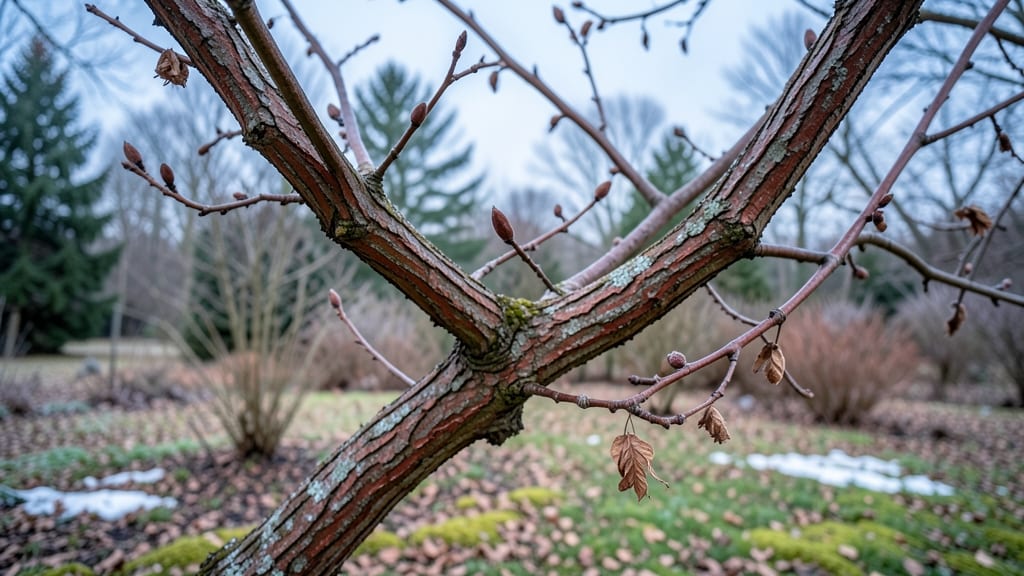
Pruning dormant tree branches in late winter isn’t just about cleanup—it’s your chance to set your trees up for a healthier, more productive spring. 🌿 I’ve spent years watching trees wake up after winter pruning, and the difference between a well-timed cut and a missed opportunity is striking.
The key? Knowing which branches to remove and when to stop cutting.
Not all dormant branches are the same. Dead branches snap easily, have no bark, and often crumble when you run your thumb along them. Live branches, on the other hand, might feel firm and show a hint of green under the bark if you scrape it.
Prune at the right time—between late winter and early spring—and you’ll encourage new growth while avoiding stress on the tree.
With the right cuts, you’ll see stronger branches, fewer disease entry points, and a canopy that lets sunlight reach the inner leaves. I’ve revived trees with excessive dormancy by focusing on 3 key cuts: removing deadwood, thinning crowded branches, and shaping for airflow.
The results? Trees that burst into growth by late spring, often with fewer pests and diseases.
This works for fruit trees, shade trees, and even young saplings. The secret is patience—don’t rush the process, and always use clean, sharp tools. Let’s get those branches trimmed the right way for a vibrant, resilient growing season ahead.
What triggers branch dormancy
Understanding why branches go dormant in late winter is key to pruning them effectively—and ensuring your tree thrives in spring. Dormancy isn’t just a seasonal pause; it’s a survival strategy rooted in biology, climate, and tree health. Let’s break down the science behind it, so you can prune with confidence.
Trees enter dormancy primarily as a response to chilling temperatures and frost exposure. When nights grow consistently cold (typically below 40°F or 4°C), trees trigger a hormonal shift that slows metabolic activity.
This isn’t just laziness—it’s a protective mechanism to prevent damage from freezing sap, which can rupture cell walls.
- How it works: Cold weather prompts the production of abscisic acid (ABA), a hormone that signals buds to stay dormant until conditions improve. - Actionable insight: If your region experiences late-winter thaws followed by hard freezes, branches may struggle to "wake up" properly.
Prune after the last expected frost (check your USDA hardiness zone) to avoid shocking the tree.
Dormancy isn’t just about cold—it’s also about hormonal balance. Two key players control branch activity:
- Auxin (growth-promoting hormone) declines in winter, reducing cell division.
- Cytokinins (root-produced hormones that stimulate buds) drop when roots slow down due to cold soil.
This hormonal duo ensures the tree conserves energy until spring, when warmth and moisture trigger a rebound in auxin production. Pruning too early (before hormonal reset) can disrupt this cycle, leading to weak regrowth or disease susceptibility.
Trees in dormancy are essentially in "starvation mode." With limited water uptake (frozen ground!) and photosynthesis halted (no leaves), the tree’s energy reserves (stored as starch in roots and branches) become its lifeline. Pruning removes not just branches but also potential energy sources for spring regrowth.
- The risk: Heavy pruning in late winter can deplete starch reserves before new leaves form, leaving the tree vulnerable to stress. - Pro tip: ✨ Limit pruning to no more than 25% of the tree’s canopy in late winter.
Focus on dead, diseased, or crossing branches first—these drain resources even when dormant.
Dormant branches aren’t always "sleeping"—sometimes, they’re already compromised. Fungal pathogens (like honey fungus or canker diseases) and pests (such as borers or scale insects) exploit weak points in branches, causing them to die back prematurely.
These branches may look dormant but are actually biologically inactive due to infection.
- Visual clues: - Blackened or sunken lesions (sign of canker disease). - Sawdust-like frass (insect droppings at branch bases). - Oozing sap (a sign of active decay). - Action step: 🔪 Remove and destroy (don’t compost!) infected branches immediately to prevent spread.
Sterilize pruners with 70% isopropyl alcohol between cuts.
Not all branches go dormant at the same time—or with the same vigor. Older trees or those under nutritional stress (e.g., poor soil, drought, or root damage) may have partial dormancy, where some branches "wake up" later than others. This uneven response can make pruning tricky.
- Why it matters: If you prune only the "active" branches, you might leave behind hidden weak spots that become entry points for pests. - Solution: 🌡️ Time your cuts for late winter to early spring (just as buds begin to swell).
This ensures you’re removing truly dormant branches while leaving healthy ones to regrow.
Extreme moisture conditions—whether prolonged drought or waterlogged soil—can force branches into a false dormancy. Trees in drought may prematurely shut down to conserve water, while those in soggy soil can’t absorb nutrients efficiently, leading to stunted growth.
- Signs of moisture-related dormancy:
- Brittle, dry branches (drought stress).
- Mushroom growth at the base (root rot from overwatering).
- Fix it: 💡 Improve soil drainage (add compost or mulch) and water deeply but infrequently in late winter to encourage root activity before pruning.
Fixing deadwood without damaging trees
Now that you understand why dormant branches appear—and how they can signal deeper issues—it’s time to tackle them safely. The key is precision: remove the right branches at the right time without stressing the tree.
Below are step-by-step solutions tailored to common causes, plus proactive tips to keep your trees thriving.
Dead branches (no green twigs, hollow centers, or brittle wood) should be removed immediately to prevent pests, disease, or storm hazards. Here’s how:
- 🔍 Identify Dead Branches
- Tap branches with a tool (like a pruning shears handle). Dead wood sounds hollow; healthy wood sounds solid.
- Look for no buds or leaves in late winter (when trees are dormant but before new growth starts).
- 🪓 Cut at the Branch Collar - Locate the branch collar (the swollen area where the branch meets the trunk). - Make a clean cut ¼” above the collar at a 45° angle (sloping away from the trunk).
Avoid leaving stubs—this invites rot. - Pro Tip: If the branch is thick (over 2”), cut in three steps: - First, make an undercut 1–2” out from the trunk. - Then, cut from the top down, leaving a small stub. - Finally, trim the stub flush with the collar.
- 🌳 Dispose of Debris Properly
- Bag and remove dead branches to prevent fungal spores from spreading. Burn them (if local laws allow) or compost them separately.
Some branches look dead but are just dormant. Test for life with a scratch test: scrape the bark—if green tissue appears, it’s alive! Revive them with:
- ✂️ Strategic Thinning
- Remove crossing or rubbing branches first (they compete for nutrients).
- Thin branches from the inside out to improve airflow and sunlight penetration.
- 💧 Hydration & Fertilization
- Water deeply in late winter (before buds swell) if the soil is dry.
- Apply a balanced fertilizer (10-10-10) in early spring to jumpstart growth. Avoid heavy nitrogen—it can promote weak, disease-prone shoots.
- ☀️ Prune for Light Exposure
- If branches are shaded by others, selectively remove some to let sunlight reach dormant buds. Aim for an open vase shape in fruit trees or a balanced canopy in ornamentals.
If dead branches are linked to fungus (like anthracnose) or borers, sanitize your tools and tree:
- 🧼 Sterilize Tools Between Cuts
- Wipe pruners with 70% isopropyl alcohol or a 10% bleach solution (1 part bleach to 9 parts water) after each cut to prevent spreading pathogens.
- 🌿 Apply Fungicide (If Needed)
- For fungal issues, spray copper fungicide or neem oil on pruning wounds in late winter. Follow label instructions.
- 🐜 Treat for Pests
- Borers? Inject systemic insecticide (like imidacloprid) into the trunk in early spring.
- Scale insects? Blast off with a strong water spray or use horticultural oil in dormant season.
Stop dead branches before they start with these low-effort habits:
- 📅 Prune in Late Winter (Before Bud Break)
- Ideal timing: January–March (varies by climate). Avoid pruning in fall—it invites disease.
- 🌧️ Improve Soil Drainage
- Amend heavy clay soil with compost or sand to prevent root rot, which stresses trees.
- 🍃 Mulch Properly
- Apply 2–4” of mulch (wood chips or bark) around the base, but keep it 6” away from the trunk to avoid moisture buildup.
- 🌳 Monitor for Stress Signs
- Yellowing leaves, oozing sap, or early leaf drop? These are early warnings—address them before branches die.
Remember: Every cut is a conversation with your tree. When in doubt, remove less—you can always prune more later, but you can’t un-cut a branch! For large or valuable trees, consult an arborist to avoid mistakes.
Frequently asked questions
How can I tell if a dormant branch is truly dead or just sleeping?
Use the scratch test: scrape the bark with your fingernail. If green tissue appears underneath, the branch is alive. For a more reliable check, tap the branch with a tool—dead wood sounds hollow, while live branches sound solid. Also look for buds or twigs that might be hidden under bark.
Is it safe to prune dormant branches in freezing temperatures?
Wait until temperatures rise above 40°F (4°C) to prune. Cold wood is brittle and more likely to crack or tear, making clean cuts difficult. Late winter (after the last frost) is ideal—this gives the tree time to heal before spring growth begins.
What’s the best way to dispose of removed dormant branches?
Never compost diseased or pest-infested branches—they can spread pathogens. Instead, bag them for trash collection or burn them (if local laws permit). For healthy branches, you can chip them for mulch, but keep them separate from garden compost.
Can I prune dormant branches on fruit trees differently than on shade trees?
Yes! Fruit trees benefit from open-center shaping to improve airflow and sunlight, while shade trees focus on removing deadwood and crossing branches. For fruit trees, also prune to encourage fruit-bearing spurs—look for small, stubby branches with buds that will produce fruit.
Will pruning dormant branches encourage faster spring growth?
Not directly—pruning stimulates growth by removing competing branches and improving energy flow, but the tree’s natural spring growth cycle drives most of the action. Focus on removing 25% or less of the canopy to avoid stressing the tree, which could delay regrowth.