
Pruning
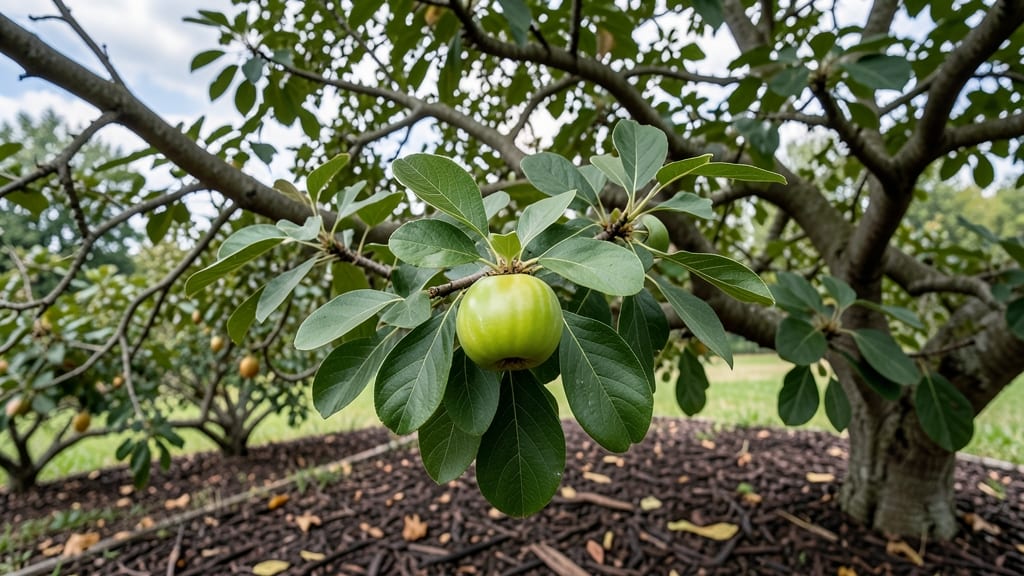
Unripe persimmons clinging to your tree mean next year’s harvest is at risk—unless you act now. 🌿 I’ve watched entire crops fail because homeowners ignored the warning signs: small, hard fruit that never softens, or splits before ripening.
The fix starts with pruning, but it’s not just about cutting branches—it’s about giving your tree the chance to redirect energy where it matters most.
Most unripe fruit happens because the tree is overloaded, struggling with pests, or fighting poor health. I’ve seen persimmons drop like hail when the tree’s energy is split between too many fruit and weak branches.
The solution? Remove those stubborn unripe fruits now—before they drain the tree’s resources—and prune to improve airflow and sunlight penetration. It’s not cruel; it’s a reset button for your harvest.
By late summer, you’ll notice new growth where old fruit once hung. The tree will focus on developing fewer, but healthier, sweeter persimmons next season. Think of it like editing a photo—removing the clutter makes the final image sharper.
And with the right pruning cuts, you’ll also prevent disease and pests from moving in where branches are too crowded.
This works for both Fuyu and Hachiya varieties, and the same principles apply whether you’re dealing with a young tree or a mature one. The key is timing—act before frost sets in, and you’ll set your tree up for a bountiful, ripe harvest next fall.
Understanding Unripe Persimmon Factors
Unripe persimmons can be frustrating for gardeners eager for a sweet harvest, but several key factors influence why fruit fails to mature properly. Below, we break down the scientific and environmental causes behind this common issue—so you can address them head-on for a better yield next season.
Persimmons are wind-pollinated (or sometimes insect-assisted, depending on the variety), meaning they rely on pollen transfer between flowers for fruit set. If pollination fails, fruit may develop but remain small, hard, and unripe.
- Why it happens:
- Poor weather conditions (e.g., rainy or windless days) can prevent pollen from reaching female flowers.
- Isolated trees with no nearby pollinators (like bees or wind currents) struggle to fertilize flowers.
- Early or late blooms caught in frost or extreme heat may not pollinate effectively.
- Actionable fix:
- Plant two compatible persimmon trees (e.g., 'Fuyu' and 'Hachiya') to ensure cross-pollination.
- Hand-pollinate in early morning by gently shaking branches to release pollen.
- Choose disease-resistant varieties that bloom during optimal weather windows.
Persimmons are heavy feeders, and a lack of key nutrients—especially during fruit development—can stunt growth and delay ripening.
- Why it happens:
- Nitrogen (N) deficiency leads to small, pale fruit with poor sugar development.
- Potassium (K) or phosphorus (P) shortages weaken cell structure, causing firm, astringent fruit.
- Micronutrient imbalances (e.g., boron, zinc) can deform fruit or prevent proper ripening.
- Actionable fix:
- Soil test first! Identify deficiencies before applying fertilizers.
- Apply balanced fertilizer (10-10-10 or 5-10-10) in early spring and mid-summer.
- Mulch with compost to improve soil structure and nutrient retention.
- Avoid over-fertilizing with nitrogen—this promotes leafy growth over fruit.
Extreme temperatures, improper watering, or drought can halt fruit maturation, leaving persimmons hard and unripe.
- Why it happens:
- Late spring frosts damage flowers or young fruit, reducing yield.
- Summer heatwaves (>90°F/32°C) can cause sunscald or physiological disorders, stunting fruit.
- Irregular watering (drought or overwatering) disrupts nutrient uptake and sugar development.
- Actionable fix:
- Protect young trees with frost cloth if late frosts are expected.
- Water deeply 1-2 times per week (1-2 inches per session) during dry spells.
- Use shade cloth in scorching climates to reduce stress.
- Mulch heavily (3-4 inches) to regulate soil temperature and moisture.
Fungal infections, bacterial blights, and pests like aphids, borers, or fruit flies can damage fruit, preventing proper ripening.
- Why it happens:
- Powdery mildew or anthracnose weaken fruit walls, causing premature drop or poor sugar accumulation.
- Borers or beetles tunnel into fruit, creating entry points for rot.
- Viral infections (e.g., from aphids) can stunt growth and alter fruit chemistry.
- Actionable fix:
- Prune for airflow to reduce humidity and fungal growth.
- Apply copper fungicide (preventative) or neem oil (organic) at first signs of disease.
- Set up pheromone traps for fruit flies or introduce ladybugs for aphid control.
- Remove and destroy infected fruit immediately to prevent spread.
When a persimmon tree has excessive foliage but few flowers, it diverts energy away from fruit development, leading to small, unripe persimmons.
- Why it happens:
- Aggressive pruning mistakes (e.g., cutting back too late in the season) reduce flowering.
- Shade from dense branches prevents sunlight from reaching fruit, slowing sugar production.
- Water or nutrient competition from too many branches dilutes fruit quality.
- Actionable fix:
- Prune in late winter/early spring to open the canopy and encourage airflow.
- Thin out water sprouts and suckers to redirect energy to fruit-bearing branches.
- Balance pruning—remove 1/3 of the oldest wood every 3 years to maintain vigor.
Persimmons need consistent warm days and cool nights to ripen properly. If the growing season is disrupted, fruit may stay hard and astringent.
- Why it happens:
- Early planting in cold climates leads to a short growing season, cutting off ripening time.
- Unpredictable weather (e.g., heatwaves followed by cold snaps) confuses the tree’s metabolic processes.
- Harvesting too early (before frost) can leave fruit underdeveloped.
- Actionable fix:
- Choose cold-hardy varieties (e.g., 'Meader' or 'Eureka') for shorter seasons.
- Extend the season with row covers if early frosts threaten.
- Wait for full color change (deep orange/red) and softness before picking—never harvest green!
Not sure which factor is affecting your tree? Use this guide to narrow it down:
| Symptom | Likely Cause | Fix It With |
|---|---|---|
| Small, misshapen fruit | Poor pollination or nutrient deficiency | Hand-pollinate + soil test |
| Pale, leathery skin | Nitrogen deficiency | Balanced fertilizer (low N) |
| Fruit drops prematurely | Pest/disease or drought stress | Fungicide + consistent watering |
| Hard even when colored | Environmental stress (heat/cold) | Mulch + shade cloth |
| No fruit at all | Over-pruned or canopy too dense | Structural pruning + thinning |
Pro Tip: 💡 Keep a garden journal! Track blooming dates, weather patterns, and pruning efforts to spot trends in unripe fruit over the years. Small adjustments—like adjusting fertilizer timing or protecting from pests—can make a huge difference in ripening success.
Fixing Unripe Persimmons for Better Fruit
Removing unripe persimmons isn’t just about tidying up your tree—it’s a strategic move to boost next year’s harvest. Below, we’ll break down practical fixes for common causes of unripe fruit, along with preventive tips to keep your tree thriving.
Think of this as your step-by-step guide to turning a "problem" into a healthier, more productive persimmon tree.
Cause: When a tree bears too many persimmons at once, it struggles to ripen them all properly. The tree’s energy gets stretched thin, leaving some fruits small, hard, or unripe.
How to Fix It: 🔥 Thin the Fruit Early – Remove excess fruit when they’re still small (about golf-ball size). This ensures the remaining fruits get enough nutrients to mature. 🍳 Prioritize Stronger Branches – Focus on keeping fruits on healthy, well-positioned branches (avoid overloaded or weak limbs). 👨🍳 Use Sharp Pruners – Cut cleanly at a 45-degree angle just above a leaf or bud to prevent disease entry.
Prevention Tip: ✨ Monitor Flowering – If your tree blooms heavily, hand-pollinate (use a soft brush to transfer pollen) and thin aggressively. Aim for 1 fruit per 6–12 inches of branch length, depending on the variety.
Cause: Persimmons need cross-pollination (or self-pollination in some varieties). If bees or wind fail to do their job, fruits may drop early or stay hard and unripe.
How to Fix It: 🔪 Hand-Pollinate Flowers – On cool or rainy days (when bees are less active), gently brush pollen from one flower to another using a soft paintbrush or cotton swab. ⏰ Plant a Second Tree – If you only have one persimmon, add a compatible pollinator (like ‘Fuyu’ or ‘Hachiya’) within 50 feet for better fruit set. 🌡️ Check for Pests – Bees, wasps, or even Japanese beetles can interfere. Use neem oil spray if pests are present.
Prevention Tip: 💡 Time It Right – Pollinate in the early morning when flowers are fully open and sticky with pollen.
Cause: Persimmons are sensitive to water extremes. Too little = small, hard fruit. Too much = rot or poor sugar development.
How to Fix It: 💧 Deep Watering – Water deeply 1–2 times per week (not daily shallow watering). Aim for 1–2 inches of water per week, more in extreme heat. 🌡️ Mulch Properly – Apply 3–4 inches of organic mulch (straw or wood chips) to retain moisture and regulate soil temp. 🌧️ Adjust for Rainy Seasons – If your area gets frequent downpours, improve drainage by raising beds slightly or planting on a slope.
Prevention Tip: 🎯 Use Drip Irrigation – Keeps water at the roots without wetting leaves (reducing disease risk).
Cause: Yellowing leaves, weak growth, or small, hard persimmons often signal nutrient imbalances. Common culprits: low nitrogen (leaf yellowing) or potassium (poor fruit development).
How to Fix It: 📊 Soil Test First – Before amending soil, test for pH (6.0–7.0 ideal) and nutrient levels. Many garden centers offer affordable kits. 💪 Fertilize in Stages –
- Spring (March–April): Use a balanced 10-10-10 fertilizer to boost growth.
- Early Summer (June): Switch to a low-nitrogen, high-potassium (5-10-10) fertilizer to support fruit ripening.
🥗 Add Organic Matter – Mix in compost or well-rotted manure to improve soil structure and nutrient availability.
Prevention Tip: ✨ Avoid Over-Fertilizing – Too much nitrogen late in the season can lead to soft, watery fruit. Follow package rates!
Cause: Aphids, scale insects, or fungal diseases (like anthracnose) can weaken the tree, leading to poor fruit development.
How to Fix It: 🔍 Inspect Leaves & Fruit – Look for sticky residue (aphids), white cottony patches (scale), or black spots (fungus). 🧼 Treat Early –
- Pests: Spray with neem oil or insecticidal soap (repeat every 7–10 days).
- Fungus: Apply copper fungicide or baking soda spray (1 tbsp baking soda + 1 tsp oil + 1 gallon water).
🌿 Prune Infected Branches – Remove and dispose of heavily damaged limbs to prevent spread.
Prevention Tip: 💡 Encourage Beneficial Insects – Plant marigolds or dill nearby to attract ladybugs and lacewings, which eat pests naturally.
Final Pro Tip: 📅 Track Your Tree’s Progress – Keep a simple log of:
- When you thinned fruit
- Weather conditions
- Fertilizer applications
This helps you spot patterns and adjust next season for sweeter, riper persimmons! 🍊✨
Frequently asked questions
Why do my persimmon fruits stay hard even when they turn orange?
Hard orange persimmons are often Hachiya variety, which only soften after frost exposure. These types need 2-3 weeks of cold temperatures (below 40°F/4°C) to break down their astringency. Check your local frost dates—if it’s too early, pick them later or store in a cool, dark place to speed up ripening.
Can I still eat unripe persimmons, or are they dangerous?
Unripe persimmons are not poisonous but can cause stomach upset due to high tannins. For Fuyu (non-astringent) types, they’re edible when firm but bland. Hachiya varieties must be fully ripe. If you must eat them early, cook them first—baking or roasting reduces tannins and improves texture.
How do I know if my persimmon tree needs more sunlight?
Look for these signs: small, pale fruit, leggy growth (long, weak branches), or few flowers. Persimmons need 6-8 hours of direct sun daily. If your tree is shaded, prune back nearby structures or transplant to a sunnier spot. Thin the canopy in late winter to improve light penetration to inner branches.
Should I remove all unripe persimmons, or leave some for next year?
Remove at least 50% of unripe fruit to redirect the tree’s energy. Keep 1-2 healthy fruits per branch (prioritizing strong, outward-facing branches) to maintain yield. This prevents overloading and improves ripening quality. For young trees, remove all but 3-5 fruits to establish strong growth patterns.
What’s the best time of year to prune for better fruit ripening?
Prune late winter/early spring (February-March), just before buds swell but before leaves emerge. This timing promotes new growth and flowering while removing dead wood. Avoid pruning in fall or summer—it stresses the tree and can reduce next year’s fruit set. Always use sterilized tools to prevent disease spread.