
Pruning
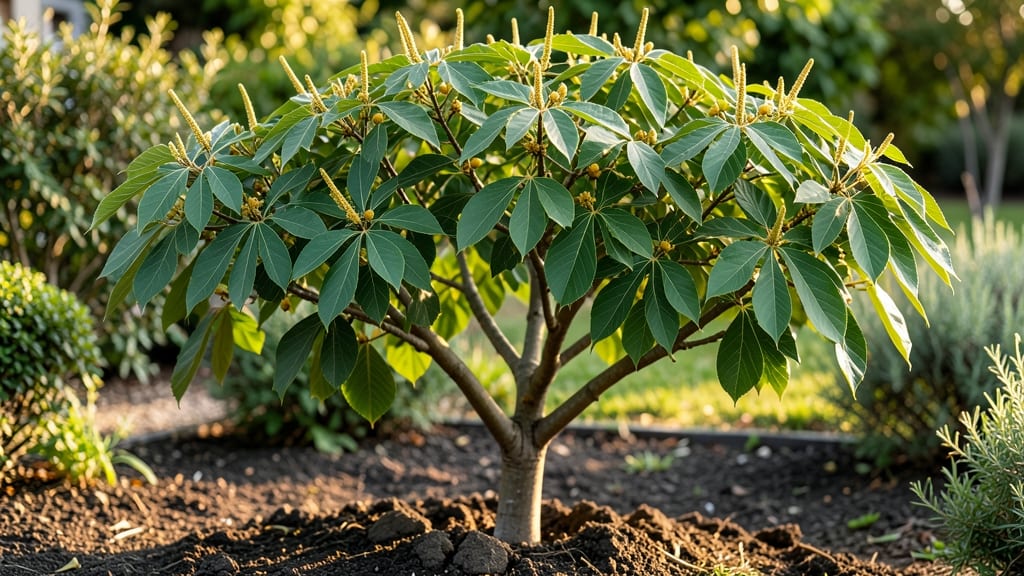
Winter pruning the Chinese pistache tree’s leaf-laden branches transforms a tangle of growth into a neat, sunlit canopy that thrives all season. ✂️ I’ve learned the hard way—skipping winter cuts leads to dense growth that blocks light, inviting pests and diseases.
The key is timing: prune during dormancy (late winter), when the tree’s energy is low but new growth is just around the corner. Your tools matter just as much as the cuts. A sharp bypass pruner and sterilized shears prevent jagged wounds that slow recovery.
Focus on thinning out 20-30% of the canopy—remove dead, crossing, or inward-growing branches first. The goal isn’t perfection; it’s airflow and sunlight reaching every leaf. You’ll see the difference by spring: lighter foliage, fewer leaf diseases, and stronger branches that support heavier summer growth.
The tree’s signature blue-green leaves will shine brighter, and those telltale yellow autumn hues will pop even more vividly next fall. This method works for young trees (to shape structure) and mature specimens (to rejuvenate). Just avoid heavy pruning in late summer—it stresses the tree before winter dormancy kicks in.
📚 In This Guide
- What you need
- Instructions
- Tips and common mistakes
- Wrapping up and next steps
What you need
- ● Pruning shears: Bypass pruners (sharp, 6-8 inch blades) for small branches (1/4"–3/4" diameter). Must be clean and sterilized with rubbing alcohol.
- ● Loppers: 1 pair (8-10 inch blades) for medium branches (3/4"–2" diameter). Look for ratcheting or bypass styles for precision.
- ● Pruning saw: 1 curved-tooth saw (for branches >2" diameter). A blank">folding pruning saw saves space.
- ● Gloves: 1 pair of heavy-duty, cut-resistant gloves (e.g., Mechanix or gardening-specific). Protects against thorns and splinters!
- ● Ladder or step stool: Tall enough to reach the tree’s canopy safely. Pro tip: Use a stable, 3-legged ladder for balance.
- ● Disposable pruning bags or bucket: 1-2 large bags (10+ gallon capacity) to collect debris. Line with trash bags for easy cleanup.
- ● Rubbing alcohol (70%+) or bleach solution: 1 bottle or spray bottle for sterilizing tools between cuts.
- ○ Sealing wax or pruning paste: Small tub (optional but recommended for large cuts >1" diameter). Prevents disease entry.
- ● Notebook & pencil: To sketch a pruning plan or jot down notes on branch removal.
- ● Hand saw: For stubborn, thick branches that won’t yield to loppers.
- ● Extension pole pruners: For high branches (saves ladder use).
- ● Tree wound dressing: Alternative to sealing wax (e.g., blank">Tanglefoot Tree Wound Pruning Seal).
- ● Work apron with pockets: Keeps tools and small items organized.
- ● Safety glasses: Protects eyes from debris, especially when using a saw.
- ● Weather check: Plan for a dry, calm day (wind can make pruning messy!).
Step-by-step instructions for Chinese pistache tree leaf pruning
Winter’s the perfect time to refresh your Chinese pistache—here’s how to shape it for stronger growth next season.
🌿 Step 1: Assess the Tree’s Structure and Identify Target Branches
Start by examining the tree’s overall shape from all sides. Look for branches that cross or rub against each other—they’ll compete for sunlight and damage bark over time. Also spot any dead, diseased, or weak limbs: these are your first priorities for removal. I always scan for branches growing straight upward, as they create weak attachment points and block light from lower branches.
Use your fingers to gently test branch flexibility—healthy wood should bend slightly without snapping. If a branch feels brittle or crumbles at the touch, it’s likely dead and should be pruned immediately. Mark these branches with a small flag or note them mentally before grabbing your tools. This step ensures you’re making strategic cuts rather than random trims.
✂️ Step 2: Prepare Tools and Make Clean Cuts
Sharp, clean tools are non-negotiable for Chinese pistache pruning. I use bypass pruners for branches up to ½ inch thick and a pruning saw for anything thicker. Disinfect your tools with rubbing alcohol before starting—this prevents spreading disease between cuts. For larger branches, make your cut just outside the branch collar (the swollen area where the branch meets the trunk) at a 45-degree angle to avoid water pooling.
Never leave stubs—these invite decay and weaken the tree. If you’re unsure where to cut, look for the branch collar and trim just beyond it. For smaller branches, use your pruners to make a clean cut at the branch’s base. I like to make a second cut slightly deeper if needed to remove any lingering stubs, but only if the first cut was made correctly. This step is where precision pays off in long-term tree health.
☀️ Step 3: Thin the Canopy for Better Airflow and Light
Chinese pistaches thrive when their canopies receive even sunlight exposure and good airflow. Focus on thinning the interior branches to let light reach the center of the tree—this prevents dense, shaded growth that’s prone to pests and disease. Aim to remove 20-30% of the canopy in one session, but spread it out over 2-3 years if the tree is large to avoid shocking it.
Look for branches that grow inward toward the trunk—these are prime candidates for removal. You’ll also want to trim back any "water sprouts" (fast-growing, vertical shoots) that appear after heavy pruning. These shoots divert energy from the tree’s main structure. After thinning, step back and visualize the tree’s new shape—it should look balanced with an open center. This step is all about creating a healthy framework for future growth.
⏰ Step 4: Clean Up and Monitor for Recovery
Once pruning is complete, gather all debris and remove it from the area to prevent fungal growth. I like to compost the healthy clippings, but avoid composting diseased wood. Water the tree deeply after pruning to help it recover, especially if you’ve removed a significant portion of the canopy. Chinese pistaches are drought-tolerant, but they still need moisture to heal clean cuts.
Monitor the tree over the next 4-6 weeks for signs of stress, like yellowing leaves or wilting. If you see excessive dieback, you may have pruned too aggressively. Next season, focus on maintaining the shape you’ve created rather than making drastic changes. This step ensures your tree recovers smoothly and sets it up for vibrant growth in spring.
Tips & tricks for perfect Chinese pistache tree leaf pruning
A well-pruned Chinese pistache doesn't just look better—it grows stronger and produces more vibrant foliage. Here's what I've learned after years of shaping these trees without damaging their health.
Precision Over Speed: In Step 1, when assessing branches, take your time to identify the "branch collar"—that swollen area where branches meet the trunk. I've made the mistake of cutting too close to the trunk, which can damage the tree's healing ability. Always make your first cut just outside this collar at a 45-degree angle to prevent water pooling and decay. This one detail makes all the difference in long-term tree health.
Tool Maintenance Matters: Before you begin Step 2, spend 5 minutes sharpening your pruners and cleaning your saw. Dull tools crush rather than cut cleanly, which can tear the bark and invite disease. I keep a small file in my toolbox specifically for this purpose. For larger branches, I use a pruning saw with a fine-tooth blade—it gives me cleaner cuts with less effort. Never use hedge trimmers on Chinese pistaches; they tear rather than cut.
Canopy Thinning Strategy: When you're working through Step 3, focus on creating an "open vase" shape rather than just removing branches. This means prioritizing branches that grow inward and upward. I find it helpful to visualize the tree as a lamp shade—you want light to reach all parts of the canopy. Remember, you're aiming for 20-30% reduction in one session, but spread this out over 2-3 years for large trees to avoid shocking the system. The goal is to maintain that balanced, open center.
Recovery Monitoring: After completing Step 4, set a reminder to check your tree every 2 weeks during the recovery period. Look for new growth at the branch ends—this is a good sign the tree is healing. If you notice excessive leaf drop or wilting beyond what's normal for winter, you may have pruned too aggressively. Chinese pistaches are resilient, but they do have limits. I've learned the hard way that patience during recovery pays off in spring with stronger new growth.
Pro Tips for Chinese Pistache Tree Leaf
- A well-pruned Chinese pistache doesn't just look better—it grows stronger and produces more vibrant foliage.
- Precision Over Speed: In Step 1, when assessing branches, take your time to identify the "branch collar"—that swollen area where branches meet the trunk.
- Tool Maintenance Matters: Before you begin Step 2, spend 5 minutes sharpening your pruners and cleaning your saw.
Frequently asked questions
Got questions about pruning Chinese pistache tree leaves?
Here are answers to the most common ones to help you trim with confidence!
When is the best time to prune Chinese pistache leaves?
The ideal time is late winter or early spring (before new growth starts). Pruning in dormant season (Dec–Feb) minimizes stress, while spring cuts encourage healthy foliage. Avoid heavy pruning in summer—it can stress the tree and attract pests.
How much can I trim off without harming the tree?
For mature Chinese pistaches, remove 15–25% of the canopy per year to avoid over-pruning. Focus on dead, diseased, or crossing branches first. Thin out dense areas to improve airflow—this reduces fungal risks and promotes vibrant Chinese pistache tree leaf growth.
What if my Chinese pistache leaves turn yellow after pruning?
Yellowing leaves post-pruning often signal nutrient deficiency or over-trimming. Check for:
- Over-pruning: If you removed too many branches, the tree may struggle to support new growth. Scale back next time.
- Water stress: Deep-water the tree after pruning to help recovery.
- Soil issues: Test soil pH (ideal: 6.0–7.5) and amend with compost if needed.
Can I prune Chinese pistache leaves in fall?
Fall pruning is risky—it can stimulate late growth vulnerable to frost damage. If you must prune, do it 6–8 weeks before the first frost and avoid heavy cuts. Focus on removing only dead/diseased branches to keep the tree healthy until spring.
What’s a good alternative if I don’t want to prune?
If pruning feels overwhelming, try these low-maintenance options:
- Thinning naturally: Let the tree grow wild but remove only problematic branches (e.g., those rubbing or blocking sunlight).
- Mulching: Add 2–3 inches of mulch to retain moisture and reduce stress on the roots.
- Fertilizing: Use a balanced fertilizer (e.g., 10-10-10) in early spring to support natural leaf health.
Pro Tip:
Use sterilized pruners (wipe with rubbing alcohol) to prevent spreading diseases like anthracnose, which can turn Chinese pistache leaves brown. Always cut at a 45-degree angle just outside the branch collar for faster healing.
Wrapping up and next steps
Winter pruning your Chinese pistache tree isn’t just about tidying up—it’s an investment in vibrant, resilient growth for seasons to come. 🌿 By following the right techniques, timing, and tools, you’ll encourage lush foliage, stronger branches, and even better pest resistance.
Whether you’re a seasoned gardener or just starting out, every trim counts—so grab those shears and get ready to nurture your tree with confidence!
Your next step? Mark your calendar for late winter or early spring—when the tree is still dormant but ready to thrive. And if you’re eager to dive deeper, explore seasonal care guides or join local gardening forums to swap tips with fellow green thumbs. Happy pruning!