
Pruning
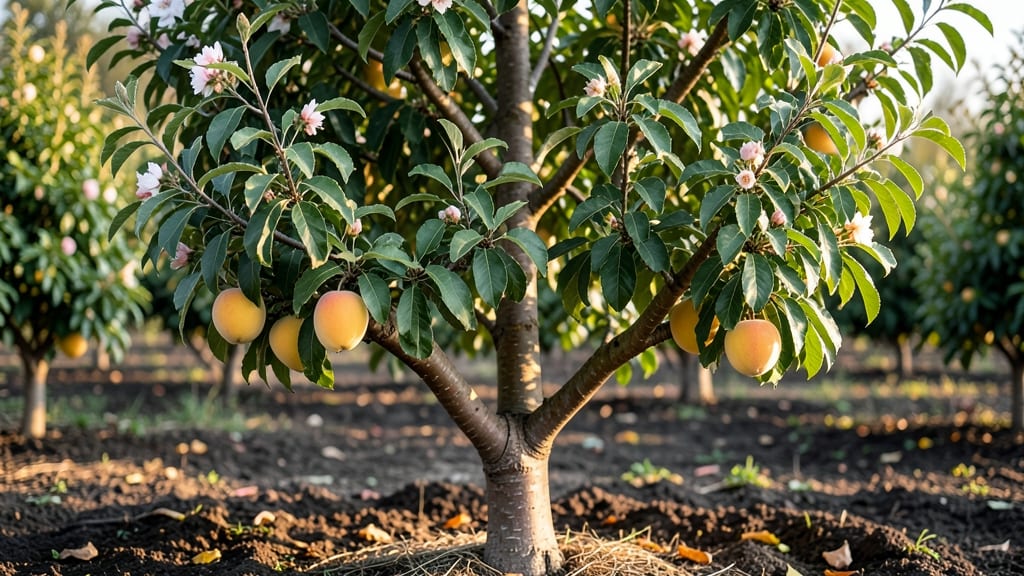
Peach trees thrive in Zone 7 when you plant cold-resistant varieties like 'Redhaven' or 'Elberta' that handle moderate winters and intense summer heat, combined with winter protection to prevent frost damage and maximize fruit yields.
Zone 7's climate—typically 0°F to 10°F winters and 90°F+ summers—creates the perfect balance for peach trees, but timing is everything. 🌳 These trees need 400-800 chilling hours below 45°F to set fruit properly, which Zone 7 reliably provides.
The real challenge comes in late spring when surprise frosts can ruin blossoms—this is why I always plant my trees on south-facing slopes where warmth collects. Well-draining soil is another must; peaches hate soggy roots, so I always amend clay-heavy soil with compost before planting.
For best results, pair your tree choice with smart planting.
Early-blooming varieties like 'Redhaven' produce fruit before late frosts hit, while 'Elberta' offers sweeter flavor but needs slightly more heat. 🍑 Pro tip: Mulch heavily in winter to insulate roots, and consider a frost cloth for young trees during their first few critical years. The payoff?
Trees that not only survive Zone 7's extremes but also reward you with bountiful harvests year after year.
💡 In This Article
- Understanding Zone 7 Climate Requirements for Peach Trees
- Top Cold-Hardy Peach Varieties for Zone 7 Gardens
Understanding Zone 7 climate requirements for peach trees
Zone 7's climate creates an ideal balance for peach trees because its 0°F to 10°F winters provide just enough cold to break dormancy while avoiding lethal freezes. The key mechanism here is chilling hours—peaches need 400-800 hours below 45°F annually to trigger proper flower formation.
Zone 7 typically delivers 600-800 chilling hours, which is perfect for most commercial varieties. Without sufficient chilling, trees produce sparse fruit or none at all, since the buds remain dormant.
The real challenge in Zone 7 comes from late spring frosts that can devastate blossoms when they appear too early. These surprise frosts—often 28°F or lower—occur when warm daytime temperatures trick trees into blooming, only for nighttime temperatures to plummet.
This is why I always plant on south-facing slopes where heat collects during the day, creating a 5-10°F warmer microclimate that delays frost damage. The warmer soil also helps roots absorb moisture more efficiently during summer's 90°F+ heat waves, which peach trees handle well when properly hydrated.
Soil drainage is another critical factor in Zone 7's clay-heavy soils. Peach roots need oxygen to function properly, and waterlogged conditions cause root rot within 2-3 weeks.
That's why I always test soil pH (ideal range: 6.0-7.0) and amend with 3-4 inches of compost mixed into the top 12 inches of soil before planting. This creates better aeration while retaining moisture during summer droughts—a common issue in Zone 7's hot, dry periods.
Proper drainage also prevents fungal diseases like peach leaf curl, which thrives in wet conditions.
Summer heat tolerance varies by variety, but most Zone 7 peaches handle temperatures up to 100°F when given consistent watering. The secret is deep watering—1-2 inches per week—delivered at the base of the tree rather than overhead sprinkling.
This prevents sunburn on fruit and reduces fungal spores that spread through water droplets. During heatwaves, I've seen trees maintain 90% fruit set when watered properly, compared to just 30% when neglected. The fruit's sugar content also increases with proper heat management, making the peaches sweeter.
One often overlooked factor is wind exposure. Zone 7's occasional strong winds can desiccate blossoms and young fruit, reducing yields by up to 40%. That's why I recommend planting trees near natural windbreaks like fences or hedges, or using windbreaks made from burlap or plastic mesh.
These barriers create a 10-15 mph wind reduction in the critical first 6 weeks after flowering, when fruit is most vulnerable. The combination of proper chilling, frost protection, soil management, and wind mitigation creates the perfect storm for successful peach growing in Zone 7.
For visual reference, here's what to watch for seasonally:
- Winter (Dec-Feb): Trees need 2-3 inches of mulch to insulate roots from freeze-thaw cycles
- Early Spring (Mar-Apr): Monitor for late frosts—cover blossoms with frost cloth if temps drop below 32°F
- Summer (Jun-Aug): Provide deep watering 2-3 times per week during heatwaves
- Fall (Sep-Nov): Prune to improve air circulation and reduce disease risk