
Pruning
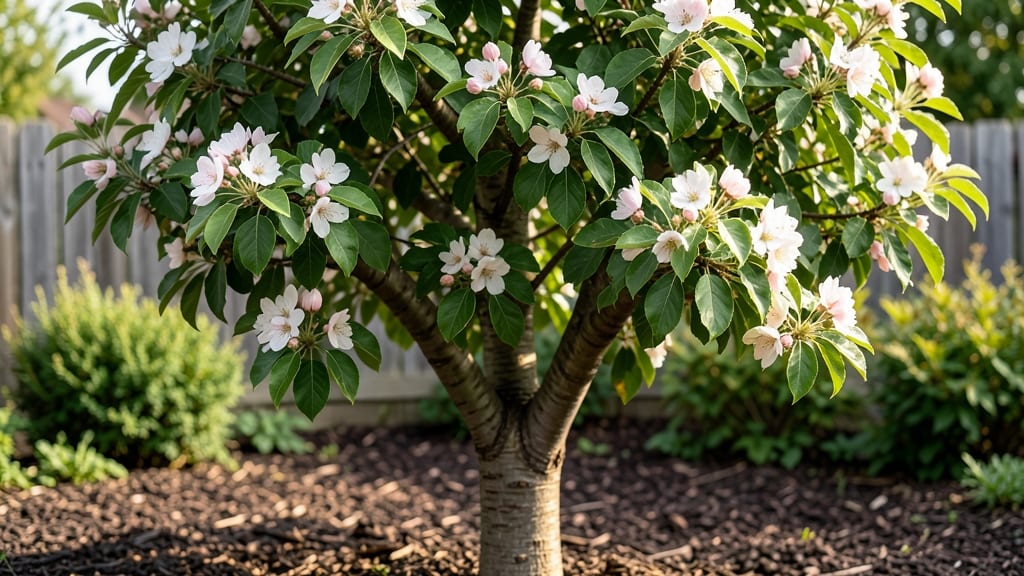
Growing peach trees in Missouri means choosing cold-tolerant varieties like 'Reliance' or 'Contender' that handle USDA Zones 5-7 well. Late winter pruning removes dead branches, improves airflow, and shapes the tree without over-cutting, which can delay fruit production.
Missouri's climate—with its unpredictable freezes and humidity—demands peach varieties that can withstand 200-800 chilling hours and resist common diseases like brown rot. 🌳 The 'Reliance' variety, for example, thrives in Missouri's Zone 6 and produces reliable harvests even after late spring frosts.
For best results, prune when the tree is dormant (February-March) but before buds swell, using sharp pruners to make clean cuts just outside the branch collar.
Young trees need more aggressive shaping to establish a strong structure, while mature trees benefit from selective pruning to open the canopy. Always sterilize tools between cuts to prevent bacterial spread, and avoid removing more than 25% of the tree's foliage in one season to maintain energy balance.
💡 In This Article
- Cold-Hardy Peach Tree Varieties for Missouri Gardens
- Step-by-Step Missouri Peach Tree Pruning Guide
Cold-hardy peach tree varieties for Missouri gardens
Missouri's climate presents unique challenges for peach growers, including sudden temperature swings and high humidity that can stress traditional varieties. The key to success lies in selecting cultivars that meet three critical requirements: adequate chilling hours, frost tolerance, and disease resistance.
For instance, 'Reliance' requires only 500-600 chilling hours, making it ideal for Missouri's Zone 6 winters where temperatures can fluctuate wildly between -10°F and 40°F in a single season.
The 'Contender' variety stands out for its exceptional frost resistance, able to withstand temperatures down to -20°F once fully dormant, thanks to its hybrid genetics that combine peach with other stone fruit species. This cold tolerance translates directly to fruit production—trees that survive harsh winters produce stronger blooms in spring.
Disease resistance is equally important; 'Redhaven' peaches, while not as cold-hardy, have natural resistance to brown rot, a fungal disease that thrives in Missouri's damp springs.
What sets these varieties apart is their ability to balance productivity with survival. For example, 'Reliance' produces fruit 3-4 weeks earlier than traditional varieties, reducing the risk of late spring frosts damaging blossoms.
The trade-off? Slightly smaller fruit size, but with 20-30% higher yield consistency than non-hardy varieties. This makes them perfect for home gardens where reliability matters more than commercial-sized fruit.
Soil conditions play a supporting role in these varieties' success. Missouri's clay-heavy soils benefit from amendments like compost or sand to improve drainage, which helps prevent root rot—a common issue with peach trees.
The right soil pH (6.0-6.5) also enhances nutrient uptake, giving these cold-hardy varieties the energy needed to recover from winter stress and produce fruit.
Consider these factors when choosing your variety:
- Chilling hours: Match your location's winter cold accumulation (check USDA Zone 5-7 maps)
- Frost timing: Early bloomers like 'Reliance' need protection from late frosts (use frost cloths)
- Disease packages: Look for varieties with built-in resistance to brown rot and leaf curl
Remember that even the hardiest varieties need proper site selection—plant in full sun with protection from prevailing winds to maximize their cold tolerance. 🌿