
Container Gardens
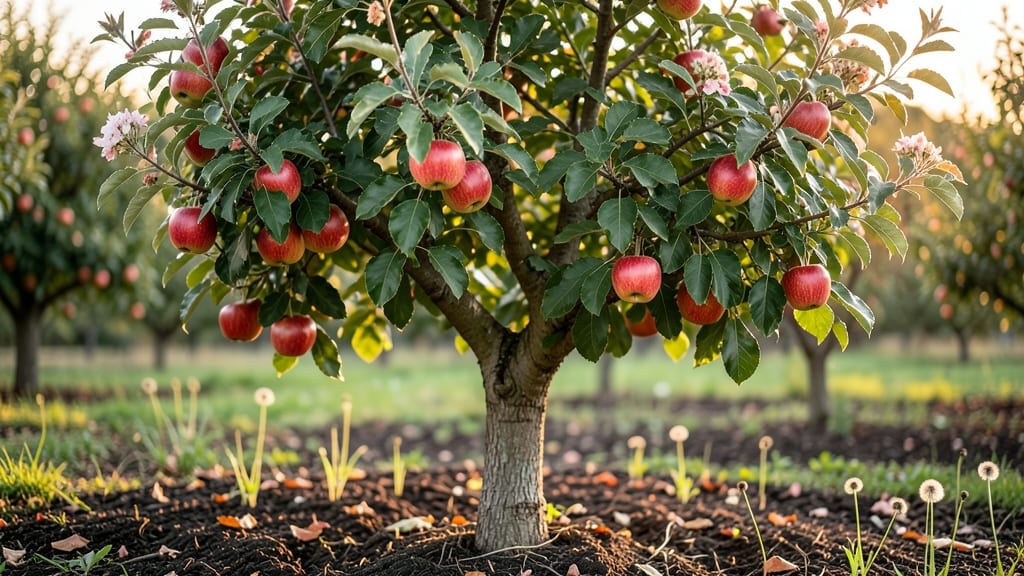
Growing Gala apple trees requires USDA hardiness zones 4 through 8, where they handle winter lows down to -30°F (-34°C) and summer highs up to 20°F (-6°C). Zones 5-7 provide the ideal balance for consistent fruit production.
Gala apple trees need specific climate conditions to thrive, especially during their dormant winter months when they require chill hours between 300-800 to break dormancy properly. 🍏 In colder zones like 4, they'll survive harsh winters but may produce smaller fruit, while zones 6-7 offer the perfect sweet spot for both tree health and harvest quality.
I've seen firsthand how microclimates can make a difference—planting near a south-facing wall can add valuable warmth in zone 4 areas, helping extend the growing season.
For container growing, choose dwarf varieties and select pots with at least 15-gallon capacity to accommodate root growth. The key is ensuring proper drainage while keeping roots cool during summer heatwaves.
In marginal zones, consider using frost blankets during early spring blooms to protect delicate flowers from late frosts that could reduce your harvest.
💡 In This Article
- Understanding Gala Apple Tree Cold Hardiness Limits
- Best Planting Zones for Gala Apples: Climate-Specific Tips
Understanding Gala apple tree cold hardiness limits
Gala apple trees rely on a precise balance of cold and warmth to produce fruit, starting with their dormancy cycle. During winter, these trees need 300-800 chill hours (temperatures between 32-45°F/0-7°C) to break dormancy. Without sufficient chill, buds may fail to open in spring, leading to poor fruit set.
In zone 4, where winters regularly drop below -20°F (-29°C), Gala trees develop thicker bark and deeper root systems as natural adaptations to survive extreme cold.
The root zone is particularly vulnerable to temperature swings. When soil temperatures fluctuate between freezing and thawing, roots can suffer from crown rot or root desiccation. In zones 7-8, where winters are milder, Gala trees may experience heat stress during summer if temperatures exceed 90°F (32°C) for prolonged periods.
This causes fruit to sunburn or develop bitter flavors. The ideal summer range for optimal fruit quality is 75-85°F (24-29°C) during daylight hours.
What most gardeners don't realize is how late spring frosts can devastate Gala blooms. These trees flower early in spring, often before the last frost date. A single 28°F (-2°C) frost can destroy 80% of blossoms, drastically reducing harvest.
In zone 5, where frost dates vary widely, I've seen yields drop by 60% in years with late frosts. This is why planting near water features or using frost cloths becomes essential in marginal zones.
Heat tolerance varies by Gala variety. The classic red-streaked Gala handles heat better than the pink-streaked version, which can develop sunscald on exposed fruit. During heatwaves, trees enter a state called heat dormancy, where growth slows to conserve moisture.
This is why consistent watering (1-1.5 inches per week) during summer becomes critical—drought stress weakens trees and makes them more susceptible to codling moth infestations.
Here's what happens at temperature extremes:
- Below -30°F (-34°C): Bark may crack, exposing vulnerable cambium layers
- Between -20°F (-29°C) and 32°F (0°C): Optimal winter dormancy period
- Above 95°F (35°C): Fruit quality declines, blossom drop increases
For container growers in zones 6-8, remember that pots heat up 10-15°F (5-8°C) hotter than in-ground soil. Using light-colored containers and keeping trees shaded during peak afternoon sun can prevent heat stress.
In zone 4, mulching with 6-8 inches of straw insulates roots from temperature swings that would otherwise cause freeze-thaw damage.