
Pruning
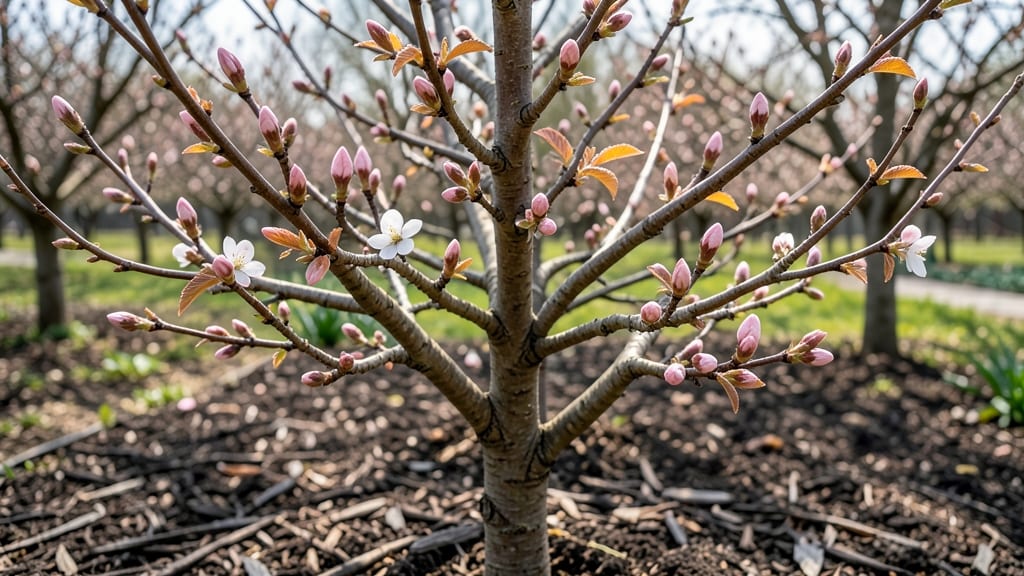
Your peach tree's flower buds are the promise of summer's sweet harvest, and pruning them right means the difference between a handful of fruit and a tree heavy with juicy peaches. 🌸 I've watched my own peach tree go from sparse blooms to a riot of pink flowers—and the secret lies in understanding when and how those buds form, then protecting them through winter.
Flower buds develop on last year's growth, so timing matters: prune in late winter or early spring before buds swell, and always cut back to outward-facing buds to encourage sunlight penetration.
Thin clusters too—crowded buds lead to small, poor-quality fruit. My biggest mistake? Waiting too late in spring to prune, which stressed the tree just as buds were forming.
By summer, you'll see those buds fattening up, ready for next year's crop. The key is monitoring for frost damage (wrap young trees in burlap if frost threatens) and avoiding over-pruning, which starves the tree of energy.
A well-pruned tree doesn't just bloom more—it produces fruit that's larger, sweeter, and more abundant.
Works for both young trees and mature ones, though older trees need gentler pruning. The payoff? A tree that blooms reliably year after year, with fruit that tastes like childhood summers. Here's how to make it happen without the guesswork.
📚 In This Guide
- What you need
- Instructions
- Tips and common mistakes
- Wrapping up and next steps
What you need
- ● Pruning shears: Bypass pruners (sharp, clean, and capable of cutting up to ½-inch thick branches).
- ● Loppers: For thicker branches (½-inch to 2-inches in diameter).
- ○ Pruning saw: For branches over 2-inches thick (optional but handy for stubborn cuts).
- ● Disinfectant: Rubbing alcohol (70% isopropyl) or a garden disinfectant (to sterilize tools between cuts).
- ● Gloves: Heavy-duty gardening gloves (to protect against thorns and sap).
- ○ Pruning sealant: Optional but recommended (e.g., tree wound paint or pruning paste) for large cuts.
- ● Bucket or bag: For collecting pruned branches (or a tarp to lay beneath the tree).
- ● Hand saw: For precision cuts on stubborn branches.
- ● Ladder or step stool: If your tree is tall (safety first!).
- ● Notebook & pen: To jot down notes on cuts or bud locations.
- ● Safety glasses: To shield against debris (especially when using a saw).
Instructions for pruning peach trees to maximize flower buds
Here’s how to shape your peach tree for a spectacular spring bloom—without sacrificing fruit production.
✂️ Step 1: Time Your Pruning for Optimal Bud Formation
Prune your peach tree in late winter to early spring, just before buds swell but before they break. This timing ensures you remove dead wood while preserving next year’s flower buds. If you prune too early, you risk winter dieback; too late, and you cut off potential blooms.
Look for brown, brittle branches—these are dead and should be removed completely. Healthy branches have smooth bark and small, plump buds along their length. Avoid pruning when temperatures drop below 40°F, as cold stress weakens the tree’s recovery.
✂️ Step 2: Remove Suckers and Water Sprouts
Peach trees produce suckers (shoots from the base) and water sprouts (vertical shoots from branches). These compete with fruit production by diverting energy away from flower buds. Use sharp pruners to cut these back to the ground—never leave stubs, as they invite disease.
Focus on fast-growing, upright shoots first. These are the biggest energy thieves. If you see a sucker with leaves, it’s actively growing and needs removal. Thin crowded branches to improve airflow, which reduces humidity-related diseases that can kill flower buds before they open.
✂️ Step 3: Thin Branches to Encourage Flower Buds
Peach trees bloom on both old and new wood, but overcrowded branches produce fewer flowers. Aim to open the canopy by removing branches that cross or rub against each other. Cut back to a side bud or outward-facing branch to maintain an open, vase-like shape.
Remove more than 25% of the tree’s branches in one season, as this stresses the tree. Instead, spread pruning over 2-3 years if needed. Watch for spurs—short, stubby branches with clusters of buds. These are your tree’s fruit-producing zones; never prune them back heavily.
☀️ Step 4: Post-Pruning Care for Strong Bud Development
After pruning, apply a balanced fertilizer (10-10-10) to replenish nutrients lost during cutting. Water deeply to 12 inches down, ensuring roots recover. Mulch with 3 inches of organic mulch (like wood chips) to retain moisture and protect roots from temperature swings.
Monitor for aphids or mites, which can stress the tree and reduce bud health. Spray with neem oil if you spot sticky residue on leaves. By mid-spring, you should see tight, green buds forming—these are your future blooms. Avoid heavy pruning again until next winter, as repeated cuts delay bud development.
⏰ Step 5: Watch for Bud Break and Adjust
When buds begin to swell and turn pink, they’re ready to bloom. If you notice fewer buds than expected, your tree may need more sunlight or better drainage. Peach trees thrive in full sun (6+ hours daily)—shade reduces flowering.
If buds fail to open, check for bacterial leaf spot (black spots on leaves) or peach leaf curl (puckered, curled leaves). Treat with copper fungicide at bud break to protect next year’s crop. With proper pruning, your tree will reward you with abundant spring blooms and a bountiful harvest.
Tips & tricks for pruning peach trees to boost flower buds
These simple tricks will help you transform your peach tree into a blooming powerhouse next spring.
Timing is Everything: The late winter to early spring window is non-negotiable for bud preservation. I always check the forecast for a stretch of days above 40°F before I start—this gives the tree time to heal without winter stress. If you're unsure about the exact timing, look for buds that are swollen but haven't broken yet. They'll feel firm when gently squeezed, like a ripe peach pit.
Tool Prep Prevents Problems: Never use dull pruners—they crush branches and create jagged cuts that invite disease. I clean my tools with rubbing alcohol between cuts and make sure they're sharp enough to slice through a newspaper with one clean motion. For larger branches, use loppers with bypass blades to avoid tearing the bark. This clean cut is crucial for proper healing and bud development.
Bud Identification: Those tiny, plump buds along your branches are your future blooms—don't mistake them for leaf buds! Leaf buds are usually larger and more pointed, while flower buds are rounder and clustered. When thinning branches in Step 3, always cut back to a side bud or outward-facing branch. This maintains the tree's natural shape while preserving those precious flower clusters.
Post-Pruning Recovery: After you've finished cutting, don't just walk away. The first 24 hours are critical for the tree's recovery. I always apply a thin layer of horticultural sealant to larger cuts (over ½ inch thick) to prevent disease entry. Then I give the tree a deep watering—12 inches down—to help it recover from the stress of pruning. This simple step makes all the difference in bud health.
Pro Tips for Peach Tree Flower Buds
- These simple tricks will help you transform your peach tree into a blooming powerhouse next spring.
- Timing is Everything: The late winter to early spring window is non-negotiable for bud preservation.
- Tool Prep Prevents Problems: Never use dull pruners—they crush branches and create jagged cuts that invite disease.
Frequently asked questions
Got questions about peach tree flower buds? You’re not alone! Here are answers to the most common queries to help you nurture healthy blooms and a bountiful harvest:
When should I prune peach tree flower buds for spring blooms?
Prune peach trees during late winter or early spring (just before buds swell but before blooming). Avoid pruning in fall—it can stimulate new growth that’s vulnerable to frost damage. For container-grown trees, wait until the last frost date in your zone.
Can I prune flower buds off a peach tree to reduce fruit load?
Yes! Thinning flower buds (or young fruit) improves fruit size and quality. Use sharp pruners to remove 50-70% of buds if your tree is overloaded. Focus on weak or crowded buds first. Pro tip: Do this in stages—remove 1/3 of buds, wait 2 weeks, then reassess.
What should I do if my peach tree flower buds are damaged by frost?
If buds turn brown or mushy after frost, they’re likely dead. Prune them off immediately to redirect energy to healthy buds. Cover young trees with frost cloth for light freezes (below 28°F). Avoid watering before frost—wet buds freeze faster!
Are there alternatives to pruning flower buds for better fruit?
Yes! Try hand-thinning fruit after blooming (leave 6–8 inches between fruits) or use chemical thinners (like hydrogen peroxide sprays) for large trees. For organic growers, shade cloth during bloom can reduce excessive fruit set naturally.
Why aren’t my peach tree flower buds opening, even though they look healthy?
Bud failure can stem from drought stress, nutrient deficiencies (like zinc or boron), or pests (e.g., peach tree borers). Check soil moisture, test pH (ideal: 6.0–6.5), and inspect buds for holes or sawdust-like frass. Apply a balanced fertilizer in early spring if needed.
| Quick Fixes | When to Use |
|---|---|
| Water deeply 1–2x/week (no standing water) | During bud swell (late winter) |
| Apply 1 tbsp Epsom salt (magnesium) per gallon of water | If leaves show yellowing between veins |
| Spray neem oil (1 tsp/gallon) on buds | If you spot aphids or mites |
Wrapping up and next steps
Caring for your peach tree’s flower buds is the secret to a stunning spring display—and the sweet harvest that follows! 🌸 By mastering pruning techniques, timing, and tools, you’ve set the stage for healthier growth and bountiful blooms.
Remember, patience and precision are key: thin wisely, avoid over-pruning, and always prioritize air circulation.
Now that you’re armed with the know-how, roll up your sleeves!
Start by inspecting your tree this winter—look for those plump, pink-tinged buds and give them the attention they deserve. Ready to take action? Grab your pruners and begin your pruning journey today—your future peach harvest will thank you! 🍑✨