
Pruning
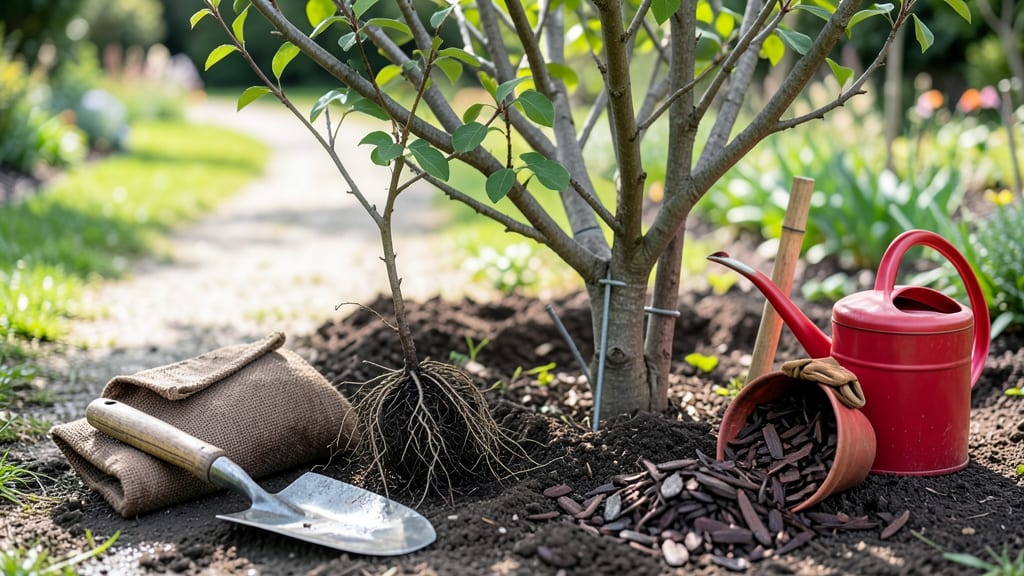
Replanting your lilac tree can mean vibrant spring blooms that last for weeks—if you do it right. 🌸 I've replanted lilacs in both spring and fall, and the difference in growth and flowering is night-and-day.
The key is timing, careful root handling, and preparing the new spot like it's the VIP section of your garden.
You'll need a few basic tools: pruning shears, a shovel, compost, and maybe some root stimulator if you're feeling fancy. The best time to replant is late fall or early spring when the tree is dormant but about to wake up.
Choose a sunny spot with well-draining soil—lilacs hate soggy feet—and dig a hole twice as wide as the root ball but no deeper. Pat the roots gently into place so they spread naturally.
After replanting, water deeply to settle the soil and keep it moist for the first 4-6 weeks. Mulch around the base (but not touching the trunk) to lock in moisture and keep roots cool.
The first year might be slow, but by next spring, you'll see strong new growth and buds that promise a showstopping display of fragrance and color.
Common mistakes? Over-pruning stressed roots or planting too deep. If you notice yellowing leaves after replanting, it's usually a sign of root shock—give it time and consistent watering.
With proper care, your lilac will reward you for years with those classic purple (or white or pink!) blooms that make spring feel like a fairy tale.
📚 In This Guide
- What you need
- Instructions
- Tips and common mistakes
- Wrapping up and next steps
What you need
- ● Shovel or spade – A sharp, sturdy digging tool (18–24" wide) for minimal root disturbance.
- ● Garden gloves – Heavy-duty, waterproof gloves to protect hands from thorns and soil.
- ● Pruning shears – Bypass pruners (clean, sharp blades) for trimming damaged roots or branches.
- ● Wheelbarrow or bucket – 5+ gallon capacity for transporting soil and tools.
- ● Watering can or hose – With a gentle spray nozzle for post-planting hydration.
- ○ Mulch (optional but recommended) – 3–4 inches of shredded bark or compost to retain moisture.
- ● Native soil or topsoil mix – Well-draining, slightly acidic (pH 6.0–7.0). Test soil if unsure!
- ● Organic compost – 1–2 bags (2–3 cubic feet) to enrich the planting hole.
- ○ Slow-release fertilizer (optional) – Balanced 10-10-10 or lilac-specific formula (follow label rates).
- ● Best replanting window – Early spring (before buds swell) or fall (6 weeks before frost).
- ● New planting site – Full sun (6+ hours/day), 6–10 feet from structures, and well-drained soil.
- ● Root inspection – Trim any mushy, black, or circling roots with sterilized shears.
Step-by-Step guide for lilac tree replanting
Reviving your lilac’s roots properly ensures vibrant blooms next spring—here’s how to do it right.
🪴 Step 1: Prepare the New Planting Site
Choose a location with full sun exposure (6+ hours daily) and well-draining soil. Lilacs thrive in slightly alkaline soil with a pH between 6.5 and 7.5. If your yard soil is heavy clay or compacted, mix in 2-3 inches of compost or aged manure to improve drainage and aeration.
Dig a hole twice as wide as the lilac’s root ball but only as deep as the root ball itself. This prevents burying the trunk too deeply, which can suffocate the plant. Loosen the sides of the hole with a shovel to encourage root spread into surrounding soil.
🌱 Step 2: Remove and Inspect the Lilac’s Roots
Gently lift the lilac from its current location, using a spade to loosen the root ball if needed. Shake off about half of the surrounding soil to inspect the roots. Healthy roots should be white or light tan, while dark, mushy roots indicate rot. Trim any damaged or circling roots with clean pruners to encourage outward growth.
If the root ball is dry or compacted, soak it in a bucket of lukewarm water for 15-20 minutes before replanting. This rehydrates the roots and helps them establish faster in their new home. Avoid overwatering—the root ball should feel damp but not soggy.
💧 Step 3: Replant with Proper Spacing and Support
Place the lilac in the center of the hole, ensuring the top of the root ball sits 1-2 inches above ground level. This prevents soil from settling and burying the trunk over time. Fill the hole with native soil, tamping it down gently in layers to remove air pockets. Water thoroughly to settle the soil around the roots.
Stake the lilac if needed—young or top-heavy varieties benefit from 1-2 stakes tied loosely to the trunk with soft fabric. Avoid tight ties that can girdle the bark as the tree grows. Mulch the base with 2-3 inches of organic mulch, keeping it 6 inches away from the trunk to prevent rot.
☀️ Step 4: Water and Monitor for Recovery
Water deeply every 2-3 days for the first 2 weeks, then taper to once a week once new growth appears. Lilacs need consistent moisture during their first year to re-establish roots, but avoid waterlogging—soil should feel damp 1-2 inches below the surface.
Watch for signs of stress: yellowing leaves or wilting indicate either underwatering or poor drainage. If leaves droop in hot weather, water lightly in the morning to revive them. Fertilize lightly in early spring with a balanced 10-10-10 formula to support regrowth, but avoid heavy feeding during the first year.
Tips & tricks for perfect lilac tree replanting
A few key tricks will help your lilac thrive after replanting—and avoid the common mistakes that lead to weak growth.
Soil Prep Secret: Before digging that hole in Step 1, test your soil's drainage by digging a small test pit nearby and filling it with water. If it drains completely within 30 minutes, your soil is ready. If water pools after 2 hours, you absolutely need to amend with compost or sand to prevent root rot. Lilacs hate soggy feet!
Root Inspection Tip: When you're shaking off soil in Step 2, look for any roots that have grown in tight circles around the root ball. These "circling roots" can strangle your plant—trim them off with clean pruners. I've seen replanted lilacs struggle for years because someone skipped this step. Take your time here!
Watering Wisdom: That 15-20 minute soak in Step 2 is crucial, but don't let the root ball sit in standing water. After soaking, gently squeeze it—it should feel like a well-wrung sponge, not a dripping wet rag. Overwatering at this stage can cause more damage than dry roots. And remember, in Step 4, morning watering prevents fungal issues from evening moisture.
Pro Tips for Lilac Tree Replant
- A few key tricks will help your lilac thrive after replanting—and avoid the common mistakes that lead to weak growth.
- Soil Prep Secret: Before digging that hole in Step 1, test your soil's drainage by digging a small test pit nearby and filling it with water.
- Root Inspection Tip: When you're shaking off soil in Step 2, look for any roots that have grown in tight circles around the root ball.
Frequently asked questions
Got questions about replanting your lilac tree? You’re not alone—this process can feel tricky! Here are answers to the most common concerns to help you revive your tree with confidence.
When is the best time to replant a lilac tree?
Replant your lilac in early spring or fall (before the first frost or after the last frost). Avoid summer heat or winter freezes, which stress roots. Spring replanting gives roots time to establish before blooming season, while fall offers cooler temps and moisture—ideal for recovery!
How do I prepare the new planting hole for my lilac?
The hole should be twice as wide as the root ball but no deeper. Loosen the soil at the bottom to encourage root spread. Mix in compost or aged manure (10–20%) to improve drainage and fertility. Avoid compacting the soil—lilacs hate soggy roots! Water thoroughly before planting.
My lilac leaves are yellowing after replanting—what’s wrong?
Yellowing leaves often signal root shock or poor drainage. Check if the soil stays soggy (lilacs prefer well-drained sites). If roots are exposed or girdled, trim damaged areas with clean pruners. Apply a balanced fertilizer (10-10-10) lightly to support recovery. Mulch around the base to retain moisture.
Can I replant a lilac in the same spot after digging it up?
It’s not recommended—soil depletion and root disturbance weaken the tree. If replanting in the same area, amend the soil with compost and ensure proper drainage. For better results, choose a spot with 6+ hours of sunlight and space at least 5–6 feet from other plants to prevent competition.
What’s a good alternative if my lilac won’t survive replanting?
Consider hardy shrubs like butterfly bush, viburnum, or elderberry—they’re low-maintenance and thrive in similar conditions. For fragrant blooms, try mock orange (Philadelphus) or deutzia. If you love lilacs, propagate from cuttings or buy a container-grown replacement (they transplant more easily!).
Wrapping up and next steps
Replanting your lilac tree is a rewarding way to ensure vibrant blooms and lasting beauty in your garden.
By carefully preparing the site, handling the roots with care, and providing the right aftercare, you’re setting your lilac up for a stronger, healthier future. 🌱 Whether you’re reviving an old tree or giving a new one the best start, your effort will pay off in fragrant spring displays for years to come.
Now that you’re equipped with the know-how, roll up your sleeves and get planting! Start by marking your replanting date on your calendar—spring or early fall is ideal—and gather your tools.
With patience and a little TLC, your lilac will thrive, turning your garden into a fragrant paradise. Happy replanting! 🌸