
Pruning
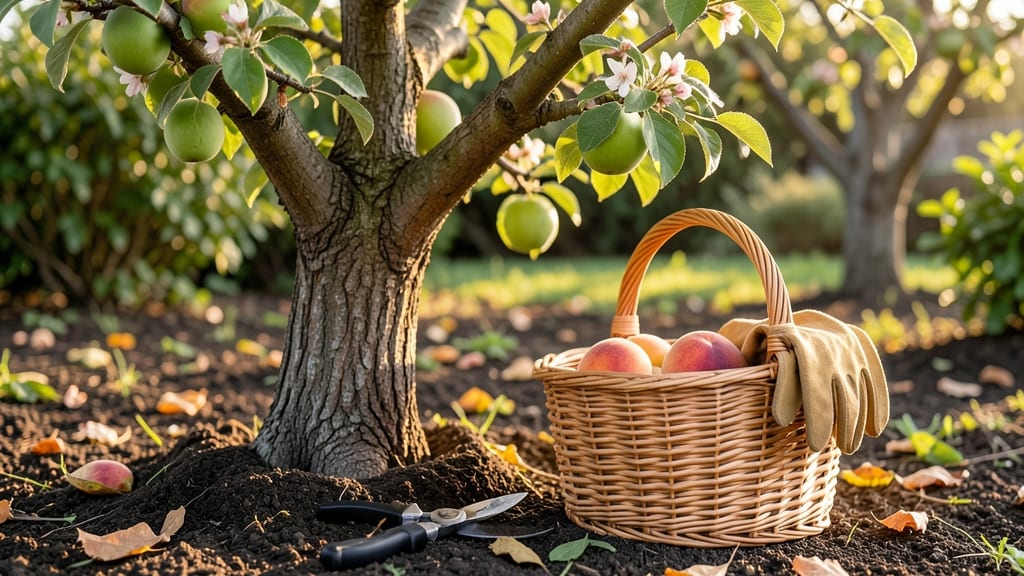
Your peach tree’s first fruit is the sweetest reward of patience — but only if you thin them properly to avoid tiny, mealy peaches that taste like disappointment.
Picture this: you’ve waited years for your 🍑 to bloom, and now it’s loaded with fruit. But if you skip thinning, you’ll end up with a bushel of underripe, sour peaches instead of the juicy, flavorful harvest you dreamed of.
The secret? Knowing when and how to thin those early fruits for bigger, sweeter results.
Most gardeners make one of two mistakes: either they thin too late (when the fruit is already set) or they don’t thin at all. Both leave you with a disappointing harvest.
The key is acting in early summer, when the peaches are still small but the tree’s energy is focused on growing them right.
In this guide, I’ll walk you through the exact steps to thin your peach tree’s first fruit for maximum yield — including the right tools, spacing tips, and what to do with the thinned peaches so nothing goes to waste.
When to thin peach tree first fruit for maximum yield
Thinning your peach tree’s first fruit might seem counterintuitive—why remove fruit when you want more? The answer lies in tree energy allocation. When too many peaches develop, your tree struggles to nourish them all, resulting in small, tart fruit.
Strategic thinning redirects energy to fewer peaches, producing larger, sweeter harvests. The key is timing: act too early or too late, and you’ll miss the sweet spot for optimal growth.
For young trees (2-4 years old), focus on fruit cluster spacing rather than quantity. Mature trees (5+ years) can handle slightly more fruit, but early summer thinning remains critical.
The goal is to leave 6-8 inches between peaches on the branch—this ensures each fruit gets enough sunlight, water, and nutrients to reach its full potential.
Peach trees produce fruit in spring blooms, and thinning should begin when peaches are golf ball-sized (about 1-2 inches in diameter). This typically occurs 6-8 weeks after flowering, usually in late May to early June in most growing zones.
Waiting too long means the tree has already invested energy, leaving you with tiny, underdeveloped fruit.
Identifying overcrowded clusters is simple: look for branches where peaches grow in tight groups (closer than 4 inches apart). These clusters compete for resources, stunting growth. Also, check for misshapen or deformed fruit—these are often signs of poor nutrition and should be removed immediately.
Your tree’s natural shape guides thinning: prioritize outer branches for better air circulation and sunlight exposure.
🍑 Peach Tree Thinning Timeline by Stage
| Tree Age | Best Thinning Time | Fruit Size Target | Spacing Goal | Why It Matters |
|---|---|---|---|---|
| 2-3 years | Late May - Early June | Golf ball size (1-2") | 8-10" apart | Preserves tree energy for root growth |
| 4-5 years | Early June - Mid-June | Baseball size (2-3") | 6-8" apart | Balances yield and fruit size |
| 6+ years (mature) | Mid-June - Early July | Tennis ball size (3") | 4-6" apart | Maximizes sweetness and size |
💡 Pro Tip: Thin on a dry, sunny day to reduce disease risk and make fruit easier to spot.
The science of peach thinning revolves around photosynthesis and nutrient distribution. When you thin, you’re essentially telling your tree: “Focus your energy here.” Leaving too many peaches forces the tree to split its resources, leading to small, underripe fruit.
Conversely, thinning too aggressively can reduce overall yield and stress the tree. The 6-8 inch spacing rule ensures each peach gets enough sunlight and nutrients to develop properly.
Early summer thinning also improves fruit quality. Peaches left unthinned often develop hard pits and tough skins due to competition. By removing excess fruit, you encourage larger cells and higher sugar content, resulting in juicier, sweeter peaches.
This is especially important for first-year fruit, where the tree is still establishing its energy reserves.
Don’t overlook the shape of your tree when thinning. Aim to open the canopy by removing fruit from the center of the tree and prioritizing outer branches. This improves air circulation, reducing the risk of fungal diseases like brown rot.
If your tree has vertical growth patterns, thin to encourage a more open, horizontal structure for better sunlight penetration.
One common mistake is thinning based on fruit color rather than size. Wait until peaches are golf ball-sized—colored fruit can still be too small. Another error is removing all but one peach per branch, which can weaken the branch over time.
Instead, leave 2-3 peaches per spur (the small, woody sections on branches) to distribute weight evenly.
After thinning, monitor your tree for stress signs like yellowing leaves or wilting branches. If you’ve thinned too aggressively, the tree may drop remaining fruit or produce smaller peaches next year.
Adjust your approach based on the tree’s response and overall health. For dwarf varieties, you can thin slightly more aggressively since they have limited branch strength.
Finally, repurpose thinned fruit to avoid waste.
Step-by-step guide to thinning peach tree fruit like a pro
Thinning your peach tree’s first fruit is one of the most effective ways to ensure larger, sweeter peaches. When too many fruits cluster together, they compete for nutrients, resulting in small, tart peaches instead of the juicy harvest you dream of.
The key is timing and precision—removing excess fruit when they’re still small but visible.
Before you begin, gather your gardening tools. You’ll need a pair of clean, sharp pruning shears, a small notepad to track progress, and a bucket for discarded fruit. Work on a dry, sunny morning when the tree is actively photosynthesizing, giving it energy to support the remaining fruit.
Step-by-Step Thinning Process
- 1 Identify Fruit Clusters: Start by locating clusters of peach fruit on your tree. Look for groups of 3–5 fruits growing close together.
- 2 Space Remaining Fruit: Leave 1–2 inches between each peach. This spacing ensures each fruit gets enough sunlight, water, and nutrients to grow large.
- 3 Remove Excess Fruit: Use your pruning shears to snip the stems of unwanted peaches. Avoid tearing the fruit, which can damage the tree. For very small fruit, pinch them off by hand.
- 4 Prioritize Healthier Fruit: If some fruits in a cluster are larger or healthier (e.g., no signs of disease or damage), keep those and remove the smaller or weaker ones.
- 5 Repeat on All Branches: Move systematically through the tree, thinning every branch. Focus on younger, more vigorous branches first, as they can support more fruit.
- 6 Dispose of Thinned Fruit: Place discarded peaches in your bucket. You can compost them or use them to make peach jam (if they’re small but ripe enough).
Once you’ve thinned your peach tree first fruit, monitor the remaining peaches closely. If you notice any disease signs like brown spots or mold, remove those fruits immediately to protect the rest of your harvest. With proper thinning, you’ll see noticeably larger peaches by late summer!
Pro tip: Mark the branches you’ve thinned with a soft ribbon to avoid over-thinning in future years. This helps you track progress and maintain consistent fruit spacing for years to come. Happy thinning! 🍑