
Planting
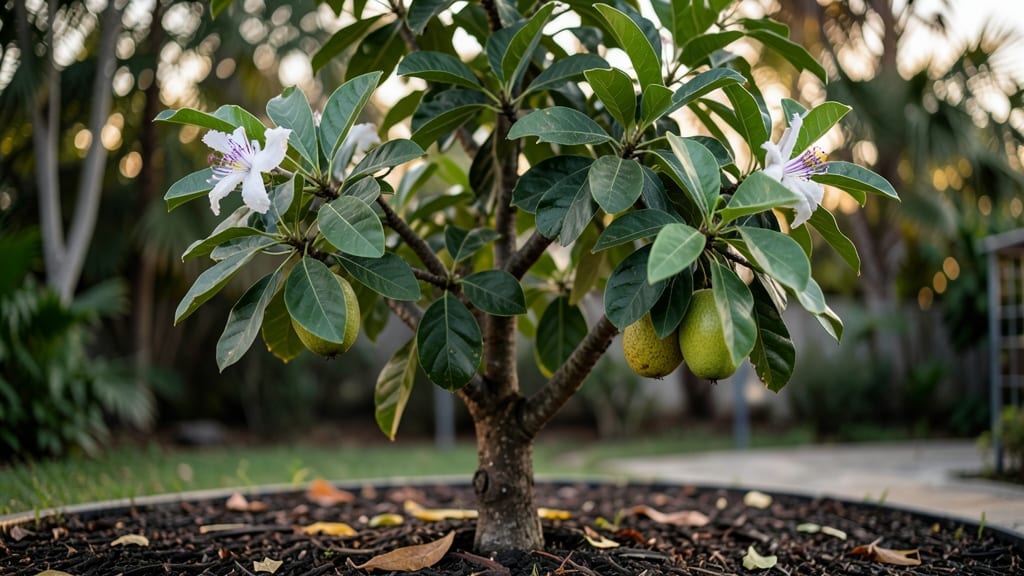
Sugar apple trees (Annona squamosa) thrive in USDA zones 8-11, where warm winters and long growing seasons let them produce those sweet, custard-like fruits year after year. 🌿 I learned the hard way—my first attempt in zone 7 failed when a single frost blackened the leaves, but moving to a microclimate near a south-facing wall saved the plant the next year.
The key is heat: these tropical trees need consistent temperatures above 60°F and no frost at all. In zones 8-11, they’re low-maintenance, but even in cooler areas, a container or greenhouse can extend their life.
Well-draining soil with organic matter keeps roots happy, and they’ll reward you with glossy leaves and fragrant white flowers by summer.
By late fall, you’ll harvest those creamy, honey-scented fruits—richer and sweeter than store-bought—if you protect them from cold snaps. The tree itself grows 10-15 feet tall, making it perfect for patios or small yards where you want tropical flair without the upkeep of a full-size fruit tree.
For zones 7 and below, treat it as an annual or overwinter it indoors—light and warmth keep it alive until spring. The payoff? A tree that’s easier to grow than citrus but delivers fruits that taste like dessert. Worth the effort, honestly.
📚 In This Guide
- What you need
- Instructions
- Tips and common mistakes
- Wrapping up and next steps
What you need
- ● Sugar apple seeds or saplings: 1-3 (seeds take longer to grow; saplings speed up fruiting).
- ● Well-draining potting mix: 5-10 gallons (use a blend of coconut coir, perlite, and compost for young plants).
- ○ Large containers or nursery pots: 1-2 (15-20 gallons each, with drainage holes). Optional: Fabric grow bags for better aeration.
- ● Shovel & garden fork: 1 each (for transplanting mature trees).
- ● Organic fertilizer: 1 bag (balanced 10-10-10 or citrus-specific blend). Pro tip: Use a slow-release formula to avoid overfeeding!
- ● Mulch (straw or wood chips): 2-3 bags (to retain moisture and regulate soil temp).
- ● Pruning shears: 1 pair (sterilized with rubbing alcohol).
- ● Drip irrigation or hose: 1 (for consistent watering).
- ○ Sunlight meter (optional): 1 (to confirm your tree gets 6-8 hours of full sun daily).
- ● Warm climate (zones 8-11): Sugar apples hate frost—ensure no risk of temps below 30°F (–1°C).
- ● Well-draining soil: pH 6.0-7.0 (amend clay soil with compost or sand).
- ● Space: Mature trees need 15-20 feet of width (container-grown trees can stay smaller).
- ● Pollination partners: Plant at least 2 trees for cross-pollination (or hand-pollinate with a brush).
How to select and prepare planting sites for sugar apple trees
Warm climates make all the difference for these tropical delights—here's how to choose the perfect spot.
🌱 Step 1: Verify Your Growing Zone and Microclimate
Sugar apple trees (Annona squamosa) thrive in USDA Zones 8-11, where winter temperatures never dip below 30°F. Check your local zone, but don't stop there—microclimates matter. I always scout the site for at least a week before planting to spot frost pockets or heat traps. If you're in Zone 8, protect young trees with frost cloth during cold snaps—even a single night below 32°F can damage new growth.
Look for areas with partial shade to full sun (6+ hours daily). Mature trees tolerate shade, but young ones need bright light to establish strong root systems. I test potential spots by watching how other plants grow—if nearby shrubs thrive with afternoon shade, that's your sugar apple's future home.
☀️ Step 2: Choose a Sheltered Location with Well-Draining Soil
Sugar apples hate soggy roots, so pick a spot with sandy loam or loamy soil that drains within 24 hours of watering. Dig a hole twice as wide as the root ball but only as deep—planting too deep suffocates roots. If your soil is heavy clay, mix in 3-4 inches of compost and 2-3 inches of coarse sand to improve drainage.
Shelter from strong winds is a must—these trees have delicate branches that snap easily. I plant mine near a fence or building where they get protection but still receive airflow. Avoid low-lying areas where cold air settles, as even Zone 10 trees can suffer chilling injury there.
🪴 Step 3: Prepare the Planting Hole and Amend Soil as Needed
For each tree, prepare a hole 18-24 inches deep and 24-36 inches wide (adjust for mature root ball size). Remove any rocks or debris, then loosen the native soil at the bottom with a garden fork—this encourages roots to spread outward instead of circling. If your soil tests acidic (below 6.0 pH), mix in 2-3 pounds of dolomitic lime to raise the pH to 6.0-7.0—sugar apples prefer slightly acidic to neutral soil.
Backfill the hole with a mix of native soil and 50% compost, tamping gently to remove air pockets. Avoid compacting too firmly—you want roots to penetrate easily. Water the hole deeply before planting to settle the soil and eliminate air gaps around the roots.
⏰ Step 4: Plant at the Right Time and Water Deeply
In Zones 8-9, plant in early spring (March-April) when soil warms to 65°F—this gives roots time to establish before summer heat. In Zones 10-11, plant in late summer (August-September) to avoid transplant shock during the hottest months. Handle the root ball carefully—wrap it in burlap if it's dry to prevent roots from drying out during planting.
After planting, water deeply and slowly until moisture reaches 12 inches down. You'll know it's enough when water pools on the surface but drains within 30 minutes. Mulch with 2-3 inches of wood chips, keeping mulch 6 inches away from the trunk to prevent rot. Replenish mulch annually to maintain moisture and temperature stability.
🌿 Step 5: Monitor for Early Signs of Stress or Success
Within 2-3 weeks, you'll see new growth—this is your cue that the tree is establishing. Look for dark green, glossy leaves and no wilting, even after a week without rain. If leaves yellow or drop, it's often a sign of overwatering or poor drainage. I check soil moisture by sticking my finger 2 inches down—if it's dry, water; if it's wet, wait.
By 6-8 weeks, roots should be spreading actively. Gently scratch the soil surface with a trowel—you'll see white feeder roots if drainage and moisture are right. If you spot mold or fungus at the base, reduce watering immediately and improve airflow by thinning mulch or pruning nearby plants.
Tips & tricks for perfect sugar apple tree planting
Here's what I've learned after years of working with these tropical beauties—details that make all the difference.
Microclimate Scouting: Don't just check your USDA zone—spend at least a week observing potential planting spots. Look for areas where other tropical plants thrive, especially in the afternoon when heat builds. I once planted a sugar apple in what I thought was a perfect Zone 10 spot, only to discover it was a cold air pocket that caused winter damage. The tree survived, but it took two years to recover.
Soil Testing is Non-Negotiable: Sugar apples are particular about pH. I recommend testing your soil before planting—most garden centers offer this service for about $10. If your soil tests below 6.0 pH, the 2-3 pounds of dolomitic lime specified in Step 3 is exactly what you'll need. I've seen trees struggle in soil that tested 5.8, even when all other conditions seemed perfect. The leaves developed yellowing between veins, a classic sign of iron deficiency in acidic soil.
Root Ball Protection: When handling the root ball during planting, treat it like fragile glassware. Wrap it in burlap if it's dry and keep it shaded until you're ready to plant. I learned this the hard way when a dry root ball cracked during transplanting, setting the tree back by nearly a season. The 18-24 inch deep hole you prepare gives roots plenty of room to expand, but only if they're not damaged in the process.
Mulching Strategy: The 2-3 inches of wood chips specified in Step 4 is perfect, but placement matters just as much as quantity. Keep that mulch ring exactly 6 inches away from the trunk—any closer and you risk rot. I've seen gardeners accidentally smother young trees by piling mulch too high against the trunk. Also, refresh your mulch annually to maintain its insulating properties, especially in hotter zones where summer temperatures can spike well above 90°F.
Pro Tips for Sugar Apple Tree Growing Zone
- Here's what I've learned after years of working with these tropical beauties—details that make all the difference.
- Microclimate Scouting: Don't just check your USDA zone—spend at least a week observing potential planting spots.
- Soil Testing is Non-Negotiable: Sugar apples are particular about pH.
Frequently asked questions
Got questions about growing sugar apple trees?
You’re not alone! Here are answers to the most common queries—from climate concerns to care tips—so you can grow these tropical gems with confidence.
What’s the best USDA growing zone for sugar apple trees?
Sugar apple trees (Annona squamosa) thrive in USDA Zones 8-11. In colder zones (like 7 or below), grow them in containers and bring them indoors during winter. For outdoor planting, choose a microclimate with protection from frost, like near a south-facing wall or under a patio cover.
How long does it take for a sugar apple tree to bear fruit?
With patience! A young sugar apple tree may take 3-5 years to produce fruit, depending on growing conditions. Key factors:
- Warmth: Needs consistent temps above 60°F (15°C).
- Sunlight: 6+ hours of direct sun daily.
- Soil: Well-draining, slightly acidic (pH 6.0-6.5).
Can sugar apple trees grow in containers? If so, what size pot?
Containers are ideal for cooler climates or small spaces. Use a 5-gallon pot minimum, but 15+ gallons is better for mature trees. Ensure pots have drainage holes and use a lightweight potting mix (like cactus/succulent blend). Move pots indoors when temps drop below 40°F (4°C).
What pests or diseases should I watch for with sugar apple trees?
Common issues include:
- Scale insects: Sticky residue on leaves? Scrape off or use neem oil.
- Root rot: Overwatering causes yellowing leaves. Let soil dry between waterings.
- Fungal spots: Prune affected leaves and improve airflow.
Are sugar apples easy to grow from seed, or should I buy a grafted tree?
You can grow from seed, but grafted trees ($30-$50) are faster and more reliable. Seed-grown trees may take 7+ years to fruit and could have inconsistent flavors. If starting from seed, soak it in warm water for 24 hours to speed up germination (place in moist sphagnum moss).
Wrapping up and next steps
Growing a sugar apple tree in USDA Zones 8-11 is a rewarding journey—just remember, warmth, patience, and the right care are your best allies! 🌿 Whether you’re a seasoned gardener or a curious beginner, these tropical gems thrive with the right conditions, offering sweet rewards (and shade!) for years to come.
Now that you’re armed with the know-how, why not plant your first seedling or sapling this season? Start small, observe your tree’s progress, and soon, you’ll be enjoying the luscious, honey-like fruit straight from your backyard. Happy growing! 🍈✨