
Leaf Blower
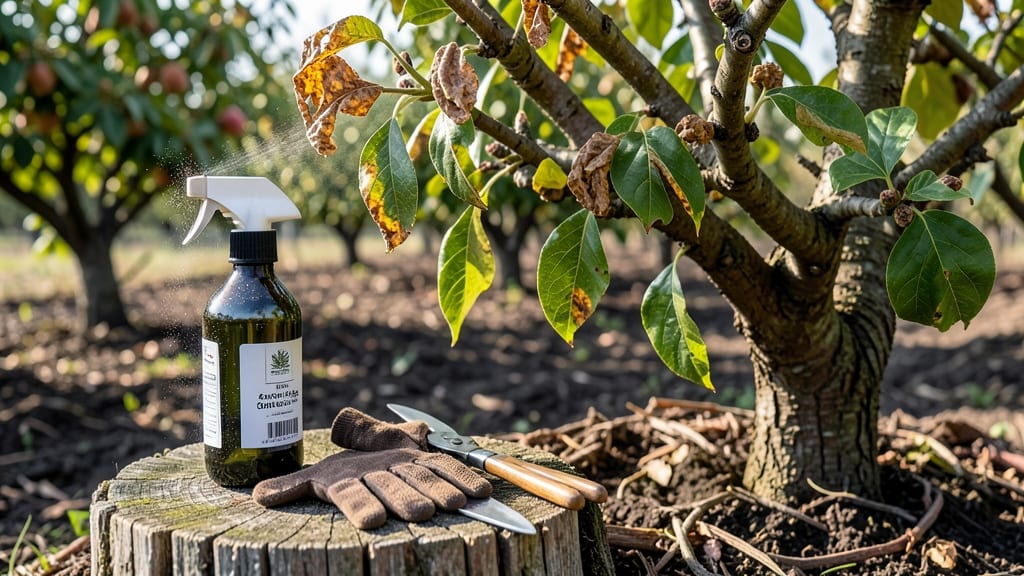
Your peach tree's curled, puckered leaves aren't just ugly—they're a sign of curly leaf fungus, and copper spray is the most effective cure. I've watched this disease twist beautiful peach foliage into leathery, deformed messes, but with the right treatment, your tree can bounce back stronger than ever.
The key is acting fast before the fungus spreads to next year's growth.
This fungal infection thrives in wet springs, turning tender new leaves into thick, curled monstrosities. The good news? Copper fungicides—like Bordeaux mixture or fixed copper sprays—smother the spores before they take hold.
You'll need to apply it at bud break and again after rain, but it's the only organic solution that actually works. I've seen trees recover completely within a single season with consistent treatment.
What you'll get is a tree that produces normal, flat leaves by summer, with fruit quality improving each year. The copper spray won't harm bees or beneficial insects if applied correctly, and it builds up in the tree's tissues for protection.
Just don't wait until you see the curled leaves—start spraying before they appear for best results.
Works for home orchards and commercial plantings alike, though larger trees may need more spray volume. The same principles apply to nectarine trees too—this fungus doesn't discriminate. Let's get your peach tree back to normal before the next flush of growth.
Root Causes Of Leaf Distortion
The peach tree’s curly leaf fungus (caused by the pathogen Taphrina deformans) thrives due to a mix of environmental and biological factors. Understanding why this fungus attacks your tree—and why leaves twist, pucker, and turn unsightly—helps you take proactive steps to prevent outbreaks.
Here’s a breakdown of the key triggers:
The primary culprit behind curly leaf fungus is the Taphrina deformans pathogen, which spreads via airborne spores. These spores:
- Overwinter on infected leaves or bark: Even after fallen leaves decompose, spores can linger in soil or debris, ready to reinfect the next season. Pro tip: 💡 Remove and destroy infected leaves in fall—don’t compost them—to break the spore cycle.
- Travel on wind or rain: Spores hitch rides to healthy trees, especially during spring rains (when peach trees are most vulnerable). Watch for: 🌧️ Wet, humid conditions—ideal for spore germination.
- Infect young, tender leaves: New growth in late spring is the fungus’s favorite target because cells are soft and susceptible.
This fungus loves specific weather patterns. The "perfect storm" for outbreaks includes:
| Factor | Why It Helps the Fungus |
|---|---|
| Cool, wet springs (50–70°F) | Slow leaf growth + high humidity = spores germinate easily. Action: 🌡️ Monitor forecasts—if rain is forecasted after a cool snap, treat proactively. |
| High humidity (70%+) | Fungal spores need moisture to infect. Sign: 💧 Leaves stay damp for >12 hours = higher risk. |
| Mild winters | Spores survive better in warmer winters (vs. freezing temps that kill them). Note: ❄️ Harsh winters reduce—but don’t eliminate—spore populations. |
A healthy peach tree can resist fungal attacks, but stress opens the door. Common stressors that make trees susceptible:
- Poor nutrition: Low nitrogen or potassium weakens leaves, making them easier targets. Fix: 💪 Test soil in early spring and amend with compost or fertilizer.
- Drought or overwatering: Both disrupt root health. Rule of thumb: 💦 Water deeply 1–2x/week (adjust for clay/sandy soil).
- Physical damage: Pruning wounds or hail scars provide entry points for spores. Prevent: ⚔️ Prune in dormant season (winter) and seal cuts with pruning paint.
- Crowded or poor airflow: Dense foliage traps moisture. Solution: 🌳 Space trees 15–20 ft apart and thin branches for airflow.
Curly leaf fungus is recurring—once it infects a tree, it’s hard to eradicate without intervention. Why?
- Spores build up yearly: Each infection cycle produces more spores for the next season. Break the cycle: 🧹 Apply copper fungicide before bud break (early spring).
- Resistant strains develop: If you treat only after symptoms appear, the fungus adapts. Strategy: ⏳ Start preventative sprays in late winter (before spores activate).
- Wild peach trees spread it: Nearby feral peach trees (or plums/cherries) can harbor the fungus. Check: 🔍 Inspect neighboring trees for curled leaves.
How to Fix Curly, Spotted Leaves
Now that you understand the causes behind peach tree curly leaf fungus and leaf spots, it’s time to take action. The good news? With the right approach, your tree can bounce back to full, healthy glory.
Below, we’ve mapped out practical solutions tailored to the root cause—whether it’s fungal infections, environmental stress, or poor care habits. Follow these steps to restore your tree’s vigor and prevent future outbreaks.
If your peach tree’s leaves are already curled, spotted, or discolored, prune them ASAP to stop the fungus from spreading. Here’s how: - 🍳 Use clean, sharp pruners (sterilize with rubbing alcohol or bleach solution to avoid cross-contamination). - 👨🍳 Snip off affected leaves—don’t leave them on the ground.
Toss them in the trash (not compost) to prevent reinfection. - 🥘 Focus on severe cases first: Prioritize heavily infected branches or leaves clustered near the tree’s core.
Pro Tip: 💡 If the fungus has spread to small branches, prune those too—just avoid over-pruning, as this can stress the tree further.
Copper-based sprays are the gold standard for treating peach tree leaf curl and fungal infections. Here’s how to use them effectively:
🔪 Copper Spray: The Science-Backed Fix
- 📊 Choose the right product: Look for copper fungicides labeled for peach trees (e.g., copper sulfate, copper hydroxide, or Bordeaux mixture).
- ⏰ Timing is critical: Apply at the first sign of symptoms (early spring or late winter) and repeat every 10–14 days during wet or humid conditions.
- 🎯 Application method:
- Mix the spray according to package instructions (usually 1–2 tbsp per gallon of water).
- Spray thoroughly, covering both sides of leaves and the tree’s bark.
Use a handheld sprayer for small trees or a backpack sprayer for larger ones. - 🌧️ Avoid spraying before rain—it washes off before it works. Wait until the forecast is dry for 24–48 hours.
Pro Tip: ✨ For extra protection, add neem oil (1 tsp per gallon) to your copper spray. Neem oil has natural antifungal properties and works well in combination.
Fungal spores thrive in humid, stagnant conditions. Boost your tree’s resilience with these preventive care steps:
🌳 Prune for Better Air Circulation
- 🔪 Thin out dense branches to allow sunlight and air to reach the center of the tree.
- 🌿 Remove suckers or water sprouts—these compete with the main canopy for resources and trap moisture.
💧 Water Wisely
- 🌧️ Water deeply but infrequently: Peach trees prefer 1–1.5 inches of water per week (more in extreme heat).
Avoid overhead watering, which can splash spores onto leaves. - 🕒 Best time to water: Early morning so foliage dries quickly, reducing humidity around the tree.
🌱 Feed the Tree Properly
- 📊 Fertilize in early spring with a balanced, slow-release fertilizer (e.g., 10-10-10 or 6-6-6).
Avoid high-nitrogen fertilizers in summer, as they promote lush (but fungus-prone) growth. - 🥗 Mulch correctly: Apply 2–3 inches of organic mulch (wood chips or straw) around the base, but keep it 6 inches away from the trunk to prevent rot.
Once your tree recovers, keep these long-term strategies in mind to avoid a repeat performance:
- 🌡️ Monitor humidity: Use a hygrometer to track moisture levels.
Aim for below 70% humidity around your tree. - 🌿 Clean up debris: Rake and remove fallen leaves, fruit mummies, or dead branches from under the tree regularly. - 🔄 Rotate fungicides: If you use copper sprays often, alternate with organic options like baking soda spray (1 tbsp baking soda + 1 tsp oil + 1 gallon water) to prevent resistance. - 🌱 Choose resistant varieties: If your current peach tree is prone to leaf curl, consider disease-resistant cultivars like ‘Redhaven’ or ‘Elberta’ for future plantings.
By combining immediate action (pruning and fungicides) with long-term care (proper watering, airflow, and nutrition), your peach tree will not only recover but thrive. Stay vigilant, and those curly, spotted leaves will be a thing of the past! 🍑✨
Frequently asked questions
How do I know if my peach tree has curly leaf fungus and not another disease?
Look for puckered, thickened leaves that appear leathery and curled downward—this is the classic sign. The undersides often develop white, powdery fungal growth in humid conditions. Unlike bacterial spots (which cause dark, water-soaked marks) or aphid damage (which leaves sticky residue), curly leaf fungus specifically targets new spring growth and creates that distinctive curled, distorted shape.
Can I use copper spray on peaches if I'm concerned about fruit safety?
Yes, but with proper timing! Copper sprays are safe for fruit when applied before bloom (late winter/early spring) and not within 14 days of harvest. The copper builds up in the leaves and bark, not the fruit itself. For extra safety, choose fixed copper formulations (like copper hydroxide) which are less likely to cause leaf burn than copper sulfate. Always follow label instructions precisely.
Will my peach tree recover completely if I treat curly leaf fungus now?
With prompt treatment, most trees make a full recovery within one growing season. New leaves will emerge normal and flat by summer. However, if left untreated, the fungus can weaken the tree over time, reducing fruit production. The key is consistent copper applications (every 2 weeks during wet periods) and removing all infected leaves immediately. Healthy trees bounce back better than stressed ones.
Are there any organic alternatives to copper spray for curly leaf fungus?
While copper is the most effective, you can try baking soda spray (1 tbsp baking soda + 1 tsp oil + 1 gallon water) as a preventive measure. Other options include neem oil (mixed with water) or potassium bicarbonate sprays. However, these work best as supplements to copper rather than standalone treatments. Organic options require more frequent applications and may not stop severe infections.
How long does it take to see improvement after treating curly leaf fungus?
You should notice new, normal leaves emerging within 4-6 weeks of starting treatment. The existing curled leaves won't recover—they'll eventually fall naturally—but the tree will produce healthy foliage for the rest of the season. For best results, apply copper sprays before symptoms appear (late winter) rather than waiting for curled leaves to develop.