
Pruning
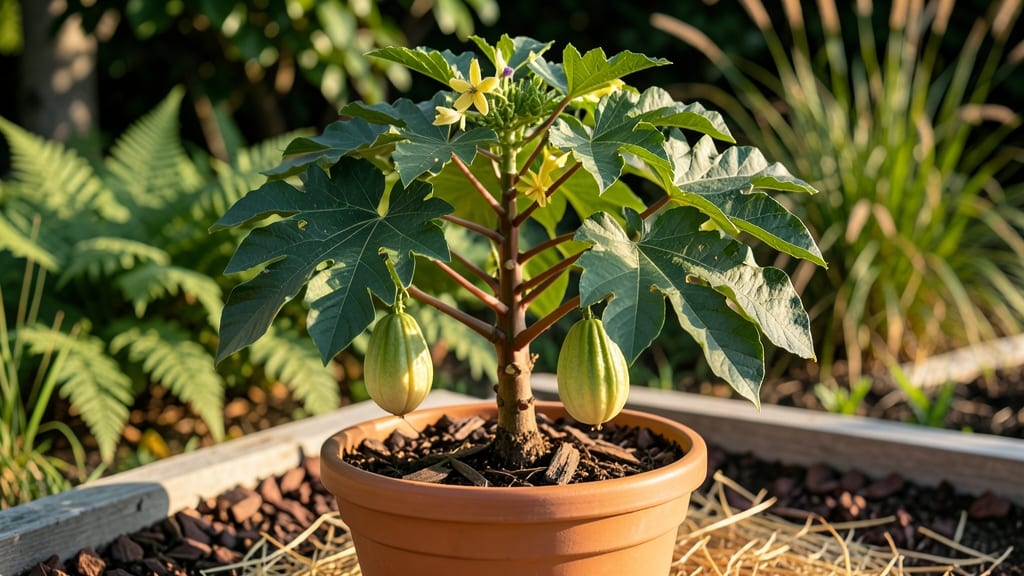
Growing a papaya tree with small fruit is a game-changer for home gardeners with limited space 🍈 — but timing your harvest wrong can leave you with underripe or oversized fruit.
If you've ever picked a papaya too early and ended up with bland, seedy disappointment, you know how frustrating it can be. The key to compact, flavorful fruit lies in knowing exactly when to harvest, how to handle it, and what to avoid.
In this guide, I’ll walk you through the telltale signs of a perfectly ripe small papaya, the best tools to use (and what to avoid), and the 5 biggest mistakes that ruin fruit quality—so you can enjoy a steady supply of sweet, manageable harvests all season.
Whether you're growing 'Solo' or 'Tainong No. 1', these tips will help you turn your papaya tree into a productive, space-saving powerhouse—without the guesswork.
How to identify when small-fruit papaya trees are ready for harvest
Harvesting small-fruit papaya varieties like 'Solo' or 'Tainong No. 1' at the perfect moment ensures the best flavor and texture. These compact varieties ripen faster than standard papayas, but missing the window means tough, underripe fruit or overly soft, seedy overripe ones.
The key lies in watching for three critical visual cues: color, texture, and stem separation.
First, focus on the fruit color—small papayas start green but gradually shift to orange or yellow as they ripen. Unlike larger varieties, these compact fruits don’t need to reach a massive size before harvesting.
A fully ripe small papaya will measure about 4-6 inches long and 3-4 inches wide, depending on the variety. Don’t wait until the fruit turns completely yellow; some varieties like 'Tainong No. 1' stay slightly orange when ready.
Next, check the fruit’s texture by gently pressing near the stem. A ripe small papaya will yield slightly under pressure, almost like a ripe avocado. If it feels rock-hard, it’s not ready—if it’s mushy, you’ve missed the window.
Climate plays a huge role here: in hot, humid zones (10-12), fruits ripen in 7-10 days after turning color, while cooler Zone 9b areas may take 10-14 days.
The third clue is the stem separation. Twist the fruit gently at the stem—if it separates cleanly with a slight pull, it’s ready. If the stem resists or tears, the fruit needs more time.
This is especially important for small varieties, as their thin stems make them more delicate during harvest. Ignoring this cue can lead to premature detachment or stem damage that ruins future fruit set.
| Indicator | Ready for Harvest | Not Ready | Climate Impact |
|---|---|---|---|
| Color | Deep orange/yellow, no green | Green or partially green | Hot zones ripen faster |
| Size | 4-6" long, 3-4" wide | Smaller than 3" or uneven | Cooler zones stay green longer |
| Texture | Slightly soft, yields to pressure | Hard or mushy | Humidity speeds ripening |
| Stem Separation | Twists off cleanly | Resists or tears | Wind can detach unripe fruit |
| Ripening Time | 7-14 days after color change | N/A | Zone 10-12: 7-10 days; Zone 9b: 10-14 days |
For small-fruit varieties, timing is everything—overripe papayas develop a fermented smell and seedy pulp, while underripe ones lack sweetness. I’ve found that harvesting in the early morning (when temperatures are cooler) preserves fruit quality longer.
If you’re growing in containers, these compact varieties ripen slightly faster due to reduced root stress, so monitor them daily once color changes begin.
One common mistake I see is relying solely on fruit size as the harvest indicator. A small papaya can be fully ripe at just 3 inches long—don’t assume bigger means better!
For example, 'Solo' papayas often reach harvest size in 6-8 months, while 'Tainong No. 1' may take 8-10 months. Always cross-check with the other two indicators to avoid disappointment.
Climate also dictates how quickly your small papayas ripen. In tropical zones (10-12), where temperatures stay above 75°F year-round, fruits ripen in 7-10 days after turning color. But in warmer subtropical zones (Zone 9b), cooler nights can slow ripening to 10-14 days.
If you’re in a transitional zone, consider using row covers to maintain warmth and speed up the process.
Pro tip: If you’re unsure whether a papaya is ready, let it ripen indoors at room temperature (70-75°F). Place it near a sunny window or under a grow light to encourage final color changes.
Avoid refrigerating unripe papayas—they won’t ripen properly and may develop chilling injuries. Once harvested, store ripe small papayas at 55-60°F for up to 5 days to maintain fresh
Step-by-step guide to harvesting small papayas without damaging the tree
Harvesting small papaya fruit requires gentle hands and the right tools to avoid bruising or stressing your tree. Unlike larger varieties, compact papayas like 'Solo' or 'Tainong No. 1' are delicate—using the wrong technique can damage both fruit and the tree itself.
The key is patience and precision, especially when dealing with tender stems and thin skins.
Before you begin, gather your supplies: a sharp, clean pruning shears (or a knife), a small basket for collecting fruit, and a spray bottle with water. Avoid using dull tools or pulling fruit by hand, as this can tear the fruit stem and leave the tree vulnerable to disease.
Always work during the coolest part of the day to prevent heat stress on both you and the papaya.
How to Harvest Small Papayas Safely
- Step 1: Identify the Right Fruit Look for fully colored papayas (orange/yellow) with no green patches. Gently press the fruit—if it yields slightly (like a ripe avocado), it’s ready. Unripe fruit will feel hard and rock-like.
- Step 2: Position Your Tools Hold the pruning shears at a 45-degree angle about 1/4 inch above the fruit’s stem. Avoid cutting too close to the tree, which can damage the branch.
- Step 3: Make a Clean Cut Use a single, firm motion to sever the stem. For extra-large fruit, twist gently after cutting to detach it cleanly. Never pull or yank—this can tear the fruit or break branches.
- Step 4: Handle with Care Place harvested papayas in a soft basket or padded container to prevent bruising. Avoid stacking fruit to minimize pressure on delicate skins.
- Step 5: Post-Harvest Care For ripe papayas, store at room temperature for 1-2 days before refrigerating. Unripe papayas should ripen at room temperature (place near other fruit like bananas to speed up the process).
After harvesting, inspect your tree for any damaged branches or exposed wounds. Prune away any broken limbs immediately to prevent pests or disease from entering. If your papaya tree is in a container, reduce watering slightly post-harvest to help it recover.
Small papaya trees are resilient, but proper care after harvesting ensures they’ll produce fruit for years to come.
One common mistake is harvesting fruit too early to "encourage more production." Never do this—small papayas need full maturity to develop their signature sweetness and texture.
If you’re unsure whether a fruit is ready, wait 2-3 more days. Patience pays off with juicier, flavorful papayas that store well and taste amazing.
For long-term storage, ripe papayas last 3-5 days at room temperature or up to 1 week in the fridge. Unripe papayas can ripen on the counter for 3-5 days.
If you’ve harvested more than you can use, consider freezing papaya puree or sharing with neighbors—small papayas are a rare treat in many regions!
🍈