
Pruning
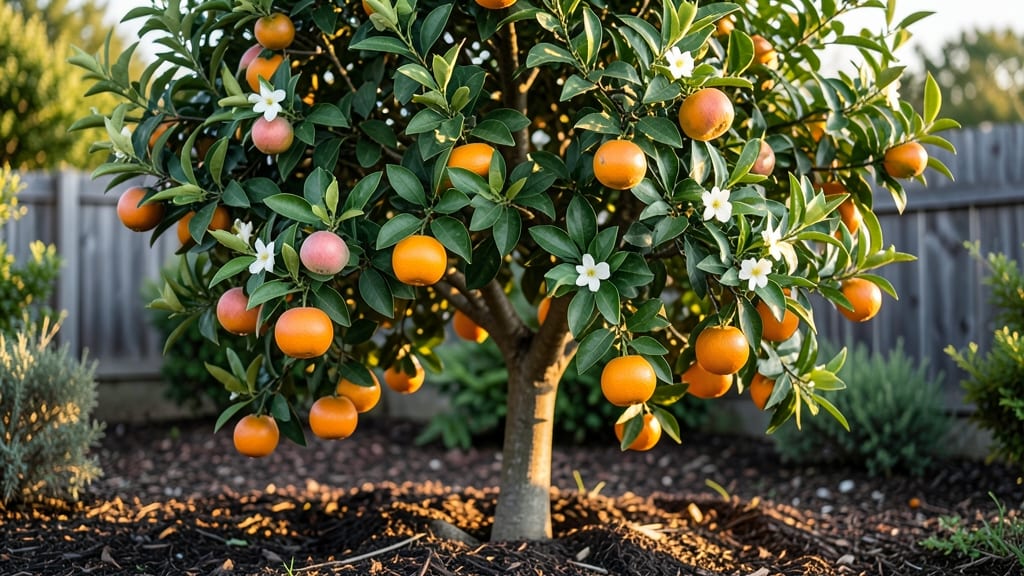
Your palm tree’s orange fruit balls are nature’s way of saying "year-round harvest" is possible—if you give it the right care. 🌿 I’ve grown these showstopper palms for years, and the secret isn’t complicated: it’s about light, soil, and patience.
Most people overwater or underfeed, and suddenly those bright orbs turn into sad, shriveled husks. But with the right routine, you’ll see clusters of vibrant orange fruit appearing every 8 weeks, no matter the season.
The trick starts with bright, indirect light—think dappled shade, not harsh sun. My tree thrives near a south-facing window with sheer curtains, and the soil stays light, airy, and slightly acidic (a mix of peat, perlite, and a handful of orchid bark does the trick).
Water when the top 2 inches feel dry, and never let it sit in soggy soil—root rot is the silent killer of these tropical beauties.
A balanced liquid fertilizer every 6 weeks keeps the fruit production steady, but skip the heavy nitrogen—it’ll make your tree grow leaves instead of fruit.
By summer’s end, you’ll have plump, jewel-toned fruit that stays on the tree for months, adding color and conversation to your space. The texture is firm but slightly succulent, and the flavor? A mix of citrusy sweetness with a tropical tang—though most grow these for looks, not eating.
Prune only to shape (remove dead fronds or overcrowded stems), and watch as new growth pushes out with fresh clusters forming. It’s the kind of plant that makes neighbors ask, "What is that?!"—and then you get to brag about your 8-week fruit cycle.
Works indoors or out in USDA zones 10-12 (or as a houseplant anywhere). If your tree’s fruit stays small or falls early, we’ll troubleshoot the light, water, or food balance next. But first, let’s get those roots happy—because happy roots mean happy fruit.
Nature’s Odd Fruit Mystery Explained
Those vibrant orange clusters dangling from your palm tree aren’t just a quirky sight—they’re a fascinating mix of biology, environment, and plant behavior. While they might look like fruit, they’re often a sign of something more complex happening beneath the surface.
Let’s break down the key reasons why palm trees produce these unusual orange "balls" and what triggers their appearance.
Palm trees, like all plants, rely on hormones to regulate growth, flowering, and fruiting. When these hormones—such as ethylene (a stress hormone) or auxin (a growth regulator)—become unbalanced, the tree may respond by producing abnormal growths. Stressors like:
- Extreme temperature shifts (sudden heatwaves or cold snaps)
- Water stress (overwatering or drought)
- Poor soil nutrition (deficiencies in nitrogen, phosphorus, or potassium)
can disrupt normal fruit development, leading to these orange clusters instead of typical fruit. Think of it as the tree’s way of "screaming" for help—it’s not thriving, so it’s producing these odd growths to redirect energy.
Sometimes, the orange "balls" aren’t fruit at all—they’re a symptom of an infestation or infection. Common culprits include:
- Scale insects: These sap-sucking pests excrete a sticky substance called honeydew, which can attract sooty mold (a black fungus). While the mold itself isn’t orange, the combination of pest activity and fungal growth can create discolored, clustered appearances.
- Palm weevils: Larvae burrowing into the tree’s tissue can cause swollen, deformed growths that mimic fruit-like clusters.
- Bacterial or fungal infections: Pathogens like Phytophthora or Fusarium can trigger abnormal growths, including galls or tumors that resemble orange balls.
Actionable tip: 🔍 Inspect the base of the clusters—if you see tiny insects, oozing sap, or black mold, treat with neem oil or consult a local arborist.
Not all orange clusters are a sign of trouble—some palm varieties are simply genetically predisposed to produce unusual fruit forms. For example:
- Hybrid palms (like the Phoenix dactylifera crossed with ornamental types) may develop fruit that’s smaller, rounder, or more clustered than typical varieties.
- Seed-grown palms (not propagated from cuttings) often exhibit more variability in fruit shape, size, and color due to genetic diversity.
- Immature fruit: Some palms produce hard, orange "balls" that soften into edible fruit over time (like the Cocos nucifera or coconut palm’s early stages).
If your palm is otherwise healthy, these clusters might just be its unique way of bearing fruit—patience could reward you with edible (or at least visually striking) results!
Palm trees are sensitive to their surroundings, and certain environmental factors can prompt the formation of these orange growths:
| Factor | Effect on Tree | Resulting "Orange Balls" |
|---|---|---|
| High humidity + poor airflow | Encourages fungal growth (e.g., Botryosphaeria) | Soft, spongy clusters that may ooze or rot |
| Excessive fertilizer (especially nitrogen) | Overstimulates vegetative growth over fruiting | Abundant but deformed, clustered growths |
| Sunburn or wind damage | Stresses the tree, leading to compensatory growth | Hard, woody "balls" near damaged fronds |
Pro tip: 🌡️ Monitor your palm’s microclimate—mulching, pruning for airflow, and balanced fertilizing can prevent these environmental triggers.
Palm trees don’t follow the same seasonal cycles as temperate plants, but they do have growth phases that can produce these orange clusters:
- Flowering phase: Some palms (like the Washingtonia or Trachycarpus) develop inflorescences that resemble orange balls before flowering. These may drop off if pollination fails.
- Juvenile stage: Young palm trees often produce abnormal fruit forms as they mature. Give them time—the clusters may resolve as the tree ages.
- Dormancy disruption: Forcing a palm out of dormancy (e.g., with heat lamps or early pruning) can confuse its natural cycle, leading to odd growths.
Key takeaway: ✨ If the tree is otherwise vigorous, these clusters may simply be a phase. Observe for 3–6 months before intervening.
Revitalize Your Palm Tree’s Fruit
If your palm tree with orange balls isn’t producing fruit—or the fruit is sparse, deformed, or falling prematurely—don’t panic! With the right care, you can restore its health and encourage a bountiful harvest.
Below, we break down common issues and actionable fixes, from quick adjustments to long-term strategies. Let’s get your palm back on track! 🌴✨
🌱 Problem: Poor Pollination or No Fruit Formation
Palm trees like the Canary Island date palm (Phoenix canariensis) rely on wind or insects to pollinate flowers, but urban environments or lack of native pollinators can disrupt this process.
| Cause | Fix |
|---|---|
| Lack of pollinators (bees, wind) |
|
| Improper flowering stage |
|
💡 Prevention Tip: Plant companion pollinator-friendly flowers (like lavender or sunflowers) nearby to attract bees naturally.
🍊 Problem: Small, Underdeveloped, or Misshapen Fruit
If the "orange balls" (fruit) are tiny, hard, or fail to ripen, it’s often due to nutrient deficiencies or environmental stress.
| Cause | Fix |
|---|---|
| Nutrient deficiency (especially potassium or magnesium) |
|
| Overwatering or poor drainage |
|
| Pests (scale, spider mites, or mealybugs) |
|
💡 Prevention Tip: Mulch around the base with wood chips or bark to retain moisture and regulate soil temperature, reducing stress.
🍂 Problem: Premature Fruit Drop or Rot
If fruit falls off early or develops soft, mushy spots, it’s often a sign of fungal issues, overwatering, or nutrient imbalances.
| Cause | Fix |
|---|---|
| Fungal diseases (e.g., Phytophthora) |
|
| Calcium deficiency (blossom end rot) |
|
| Extreme temperature swings |
|
💡 Prevention Tip: Prune dead or diseased fruit immediately to prevent spores from spreading. Sterilize pruners with rubbing alcohol between cuts.
⏳ Problem: Slow or No Fruit Development
If your palm takes longer than 8 weeks to show fruit—or skips seasons entirely—it may need a growth boost or pruning adjustments.
| Cause | Fix |
|---|---|
| Over-pruning or stress |
|
| Insufficient sunlight |
|