
Container Gardens
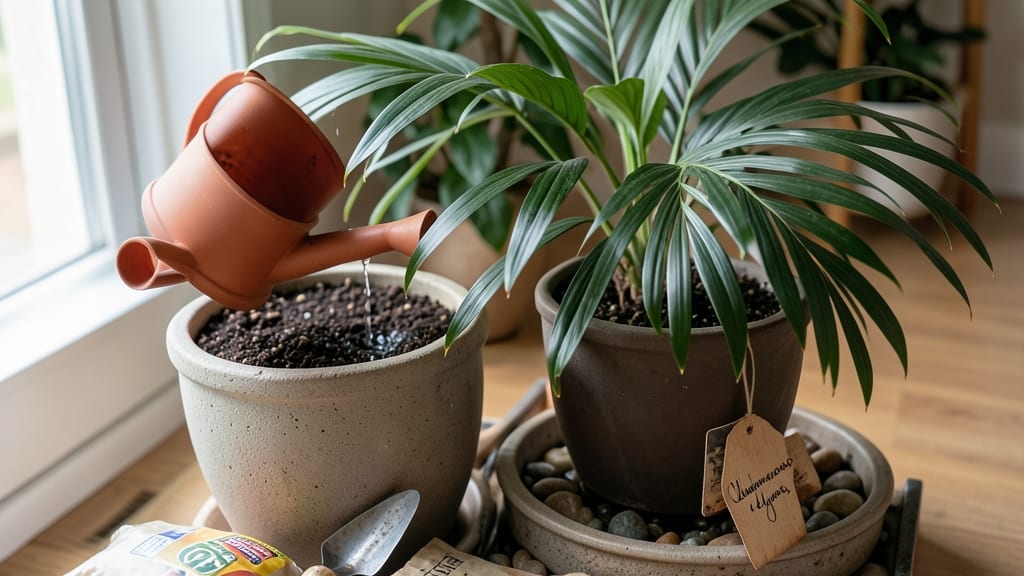
Caring for palm trees in pots transforms your patio into a tropical escape—no backyard required. 🌴 The secret to keeping them thriving isn’t complicated: it’s about matching the right pot, soil, and care routine to their natural needs.
I’ve grown palms in containers for years, and the difference between a struggling plant and a lush, productive one comes down to these foundational choices.
Start with a pot that’s 2-3 inches wider than the root ball and has drainage holes—palms hate soggy feet. Use a well-draining mix of potting soil, perlite, and orchid bark to mimic their sandy native soil.
Water when the top inch feels dry, but don’t let them sit in water; overwatering kills more palms than anything else. Most varieties need bright, indirect light, whether indoors near a south-facing window or outdoors in partial shade.
Pruning isn’t just for aesthetics—it’s how you keep your palm healthy. Remove yellow or brown fronds at the base, and trim any fronds that drag on the ground. Do this year-round, not just in winter, to encourage new growth.
With the right care, your potted palm can live for decades, growing taller each year and filling your space with that signature tropical vibe.
Overwintering is simple: move indoor palms away from cold drafts, and outdoor palms to a sheltered spot if temperatures drop below 40°F. Repot every 2-3 years to refresh the soil, and fertilize lightly during growing season.
The payoff? A palm that stays vibrant, grows steadily, and becomes the centerpiece of your outdoor—or indoor—oasis.
📚 In This Guide
- What you need
- Instructions
- Tips and common mistakes
- Wrapping up and next steps
What you need
- ● Container: A pot with drainage holes (minimum 12–18 inches in diameter and depth for mature palms). Opt for terracotta or fiberglass for breathability.
- ● Potting Mix: 3–5 gallons of a well-draining blend—mix 50% peat moss or coconut coir, 30% perlite or pumice, and 20% sand (or use a pre-mixed palm/succulent mix).
- ● Palm Tree: A healthy, container-appropriate variety (e.g., Dwarf Date Palm, Areca Palm, or Parlor Palm).
- ● Drainage Layer: 1–2 inches of gravel, lava rock, or ceramic chips to prevent root rot.
- ● Garden Gloves (to protect your hands from sharp fronds or soil).
- ● Trowel or Spade (for planting and repotting).
- ● Watering Can with a narrow spout (to water roots, not fronds).
- ● Fertilizer: Balanced liquid fertilizer (10-10-10) or slow-release palm pellets (apply every 4–6 weeks in growing season).
- ● Pruning Shears (sterilized, for trimming dead fronds).
- ○ Support Stake (optional) for young or top-heavy palms.
- ○ Mulch (optional) like orchid bark to retain moisture.
- ● A bright, indirect-light spot (e.g., near a south/west-facing window or under grow lights).
- ● Consistent humidity (mist fronds or use a pebble tray if air is dry).
- ● Patience! Palms grow slowly—avoid overwatering or repotting too soon.
Step-by-step guide to growing palm trees in pots
Here's how I keep my potted palms lush and healthy—no green thumb required.
🪴 Step 1: Select the Right Container and Drainage
Palm trees need room to grow, so choose a container that’s at least 12 inches deep and 18 inches wide for each plant. I always pick unglazed terra cotta pots because they breathe better and prevent root rot. If you’re using plastic, make sure it has multiple drainage holes—palms hate soggy feet.
Before adding soil, line the bottom with 2-3 inches of gravel or broken pottery to create a reservoir for excess water. This keeps roots dry while still allowing moisture to drain. If your pot has a saucer, empty it after watering to prevent the roots from sitting in standing water.
🌱 Step 2: Use Fast-Draining Soil and Fertilize Properly
Palms need well-draining soil to thrive. Mix two-thirds potting soil with one-third perlite or coarse sand to improve aeration. I avoid garden soil—it compacts too easily and suffocates roots. Add a slow-release palm fertilizer (look for one with nitrogen, phosphorus, and potassium in equal parts) to the soil before planting.
For established palms, I fertilize every 6-8 weeks during the growing season (spring and summer). In fall and winter, cut back to once every 3 months—palms rest during cooler months, and too much fertilizer can burn their roots. Always water the soil thoroughly after fertilizing to help nutrients spread evenly.
☀️ Step 3: Provide the Right Light and Temperature
Most palm trees love bright, indirect light—think of a spot near a south- or west-facing window where they get 4-6 hours of sunlight daily. If your palm starts stretching toward the light or its fronds turn yellow, it’s not getting enough. Move it closer to the window or add a grow light for 12-14 hours a day.
Keep temperatures between 65-85°F—palms are tropical and won’t tolerate cold drafts or temperatures below 50°F. If you live in a chilly climate, bring potted palms indoors before the first frost. Avoid placing them near heating vents or air conditioners, as sudden temperature swings stress them out.
💧 Step 4: Water Deeply but Avoid Overdoing It
Water your palm deeply once a week during the growing season, letting the water run through the drainage holes. The key is to soak the root ball until water flows out the bottom, then drain the saucer. Let the top 2 inches of soil dry out before watering again—this prevents root rot while keeping the plant hydrated.
In winter, reduce watering to every 2-3 weeks, as growth slows and the plant needs less moisture. Yellowing fronds often mean overwatering, while crispy, brown tips signal underwatering. Stick your finger 1-2 inches into the soil—if it’s dry, it’s time to water.
✂️ Step 5: Prune and Maintain for Year-Round Health
Pruning keeps your palm looking its best and encourages new growth. Remove dead or yellow fronds at the base with clean, sharp pruners, cutting them off just above the trunk. If a frond is brown but still firm, it’s dead—snip it off. If it’s yellow but pliable, leave it for now; the palm will absorb nutrients as it dies back naturally.
Every 2-3 years, trim the oldest fronds to encourage new growth at the top. This also prevents the palm from becoming top-heavy. After pruning, wipe down the trunk with a damp cloth to remove dust and debris—this helps the plant breathe and reduces pests.
Tips & tricks for perfect palm tree care in pots
Here's what I've learned after years of growing thriving palms indoors—simple tricks that make all the difference.
Container Selection: If you're using a plastic pot (which is fine!), make sure it's at least 18 inches wide—narrower pots restrict root growth and can cause stress. I've seen palms in 12-inch pots struggle to thrive because their roots get cramped. Also, if you notice water pooling in the saucer after watering, your pot might not have enough drainage holes—add a few more if needed.
Soil Mixing: The two-thirds potting soil to one-third perlite ratio is perfect, but don't skip the perlite—it's what prevents that dreaded soggy soil. I like to add a handful of orchid bark to the mix for even better aeration. This combination keeps roots happy while preventing compaction that can suffocate them over time.
Light Troubleshooting: If your palm starts stretching toward the light (called "etiolation"), it's not getting enough of those 4-6 hours of sunlight. Move it closer to the window or rotate the pot every few weeks so all sides get equal light exposure. For indoor grow lights, position them 6-12 inches above the plant for those 12-14 hours—closer than that can scorch the fronds.
Seasonal Adjustments: The 6-8 week fertilizer schedule works great, but watch your palm's response—if new fronds appear yellowish, you're overdoing it. In winter, when growth slows, I cut back to fertilizing just once every 3 months and reduce watering to every 2-3 weeks. This mimics their natural tropical dormancy period and prevents root burn from excess salts.
Pro Tips for Palm Tree Care In Pots
- Here's what I've learned after years of growing thriving palms indoors—simple tricks that make all the difference.
- Container Selection: If you're using a plastic pot (which is fine!), make sure it's at least 18 inches wide—narrower pots restrict root growth and can cause stress.
- Soil Mixing: The two-thirds potting soil to one-third perlite ratio is perfect, but don't skip the perlite—it's what prevents that dreaded soggy soil.
Frequently asked questions
Got questions about keeping your potted palm thriving?
Here are answers to the most common concerns—from watering woes to winter prep—so you can enjoy lush, leafy success all year round.
How often should I water a palm tree in a pot?
Water your potted palm when the top 2-3 inches of soil feel dry to the touch. Most palms need watering every 1-2 weeks, but adjust based on climate, pot size, and season. Overwatering is deadly! Ensure pots have drainage holes to prevent root rot.
Can palm trees survive winter in pots?
Yes, but they need protection! Move pots to a sheltered spot (like a garage or covered patio) when temps drop below 40°F (4°C). Wrap the pot in burlap or use a frost cloth for extra insulation. Avoid sudden cold snaps—gradual acclimation helps!
What’s the best potting mix for palm trees?
Use a well-draining mix like 50% potting soil + 30% perlite + 20% sand or orchid bark. Avoid heavy garden soil—it compact and suffocates roots. Add coconut coir for moisture retention if your climate is dry. Repot every 2-3 years to refresh nutrients.
Why are my palm fronds turning yellow or brown?
Yellow fronds often signal overwatering, while brown tips usually mean underwatering or low humidity. Check for pests (like spider mites) or nutrient deficiencies (e.g., potassium or magnesium). Trim dead fronds at the base with clean pruners—never pull them!
Are there dwarf palm varieties that stay small in pots?
Try these space-saving picks:
- Pygmy Date Palm (Phoenix roebelenii) – Compact (6-10 ft), thrives in pots.
- Parlor Palm (Chamaedorea elegans) – Hardy, slow-growing (3-6 ft).
- Bamboo Palm (Chamaedorea seifrizii) – Bushy and pet-friendly.
All three tolerate indoor conditions and rarely outgrow containers.
Wrapping up and next steps
Caring for palm trees in pots is all about patience, consistency, and a little tropical love! 🌴 With the right soil, drainage, pruning, and seasonal adjustments, your container palm can thrive year-round—even indoors.
Remember, the key is observation: watch for signs of stress, adjust care as needed, and don’t hesitate to repot when roots outgrow their space.
Now that you’re armed with expert tips, go ahead and give your palm tree the VIP treatment it deserves!
Start by checking your plant’s current needs—does it need a trim, more sunlight, or a nutrient boost? Your next step could be as simple as a quick inspection or a deeper dive into advanced pruning techniques. Happy gardening! ✨