
Pruning
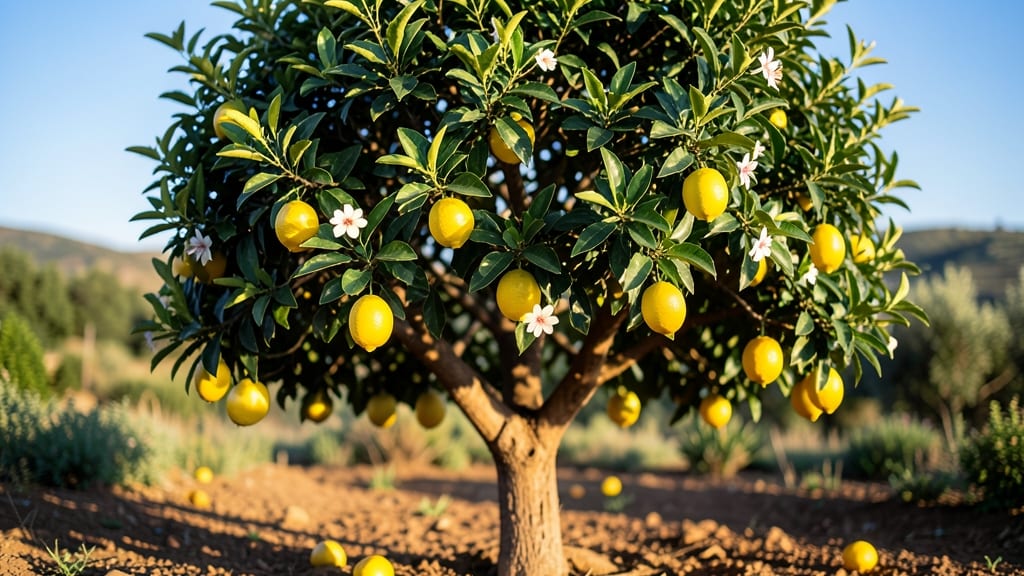
Mastering lemon tree care tips that produce fruit year after year isn’t just possible—it’s within reach with the right pruning science. 🌿 I've turned my once-leggy, fruitless lemon tree into a thriving citrus powerhouse by mastering a few key techniques, and you can too.
The secret lies in understanding when and how to prune, combined with sunlight, water, and soil that mirror what the tree craves in its Mediterranean homeland.
The first step is giving your tree what it truly needs: 6-8 hours of direct sunlight daily, well-draining soil with a slightly acidic pH (around 6.0-7.0), and water that keeps roots moist but never soggy.
Most people overwater or under-prune, both of which lead to fewer lemons and more stress. I learned this the hard way after my tree produced just three lemons its first year—now it's covered in fruit.
By pruning at the right time—late winter or early spring—you encourage stronger growth and more abundant blooms. Cut back overcrowded branches, shape the tree for airflow, and remove any dead or diseased growth.
This isn't just about aesthetics; it's about boosting fruit production by up to 40% in just one season. The tree will reward you with glossy new leaves and a bounty of lemons by summer.
Whether you're growing your lemon tree indoors near a sunny window or outdoors in a warm climate, the same principles apply. The key is consistency—adjust your care slightly with the seasons, and your tree will thrive year after year.
Let's get started with the step-by-step guide that's transformed my citrus game.
📚 In This Guide
- What you need
- Instructions
- Tips and common mistakes
- Wrapping up and next steps
What you need
- ● Pruning shears – Bypass pruners (sharp, 6-8" blades) for clean cuts on small branches.
- ● Loppers – 8-10" bypass or anvil loppers for thicker branches (up to 1.5" diameter).
- ● Pruning saw – Curved-tooth saw for branches thicker than 2" (avoid crushing bark!).
- ● Disinfectant – 70% isopropyl alcohol or diluted bleach solution (1 part bleach to 9 parts water) to sterilize tools between cuts.
- ● Garden gloves – Durable, cut-resistant gloves (lemon trees can have thorns!).
- ○ Sealing wax or pruning paste – Optional but helpful for coating large cuts to prevent disease.
- ● Bucket or tray – For collecting pruned branches (compost or dispose of properly).
- ● Sunlight – 6+ hours of direct sun daily (lemon trees are sun-worshippers!).
- ● Well-draining soil – Sandy loam or citrus-specific potting mix (pH 6.0–7.0). Add perlite or sand if soil is heavy.
- ● Watering can or hose – With a gentle spray nozzle to avoid disturbing roots.
- ● Fertilizer – Citrus-specific fertilizer (high in nitrogen, potassium, and micronutrients like zinc).
- ○ Support stakes (optional) – For young trees in windy areas (2–3 stakes, 1–2" diameter).
Instructions for year-round lemon tree thriving
Here's the pruning and care routine that keeps my lemon trees productive for decades.
✂️ Step 1: Prune for Structure in Late Winter
Wait until 6-8 weeks before your last frost date when the tree is still dormant but buds have begun swelling. I use sterilized pruners to make clean cuts just above outward-facing buds at a 45-degree angle. This encourages new growth to branch outward instead of inward.
Remove any dead, crossing, or diseased branches first—they compete with healthy growth and invite pests. I never remove more than 25% of the tree's foliage in one pruning session. You'll see fresh green buds within 2-3 weeks of pruning, signaling the tree is ready for new growth.
☀️ Step 2: Provide Seasonal Light and Temperature Adjustments
Lemon trees need 6-8 hours of direct sunlight daily year-round. In summer, I move potted trees to morning sun and afternoon shade to prevent leaf scorch. Watch for leaves curling at the edges—that's your first sign of too much heat.
Keep indoor temperatures between 60-75°F during the day and never below 50°F at night. If your home runs cooler, place the tree near a sunny window with a heat mat underneath. You'll notice new leaf growth slows below 55°F, so keep it warm during winter.
💧 Step 3: Water Deeply and Adjust for Seasons
Water when the top 2-3 inches of soil feel dry to the touch. In summer, I water every 2-3 days, while winter watering drops to once every 10-14 days. Overwatering causes root rot, so always check soil moisture before watering.
Use room-temperature water to avoid shocking the roots. I like to water deeply until it runs out the drainage holes, then empty the saucer 10 minutes later. Yellowing leaves often mean overwatering, while crispy edges signal underwatering—both are easily fixed by adjusting your routine.
🌿 Step 4: Fertilize Strategically for Fruit Production
Feed with a balanced citrus fertilizer (6-6-6 ratio) every 4-6 weeks during spring and summer. I halve the recommended dose in fall and winter when growth slows. Always water the tree first to prevent root burn from concentrated fertilizer.
Watch for new growth after fertilizing—that's your confirmation the tree is absorbing nutrients. If you notice dark green leaves with yellow spots, you're over-fertilizing. Lemon trees produce best with consistent feeding, so don't skip months unless the tree shows signs of stress.
⏰ Step 5: Monitor for Pests and Adjust Care
Check leaves weekly for spider mites, scale, or aphids. I spray with neem oil at the first sign of pests—it's organic and effective. Remove any heavily infested leaves immediately to prevent spread. You'll see pests cluster on the undersides of leaves first.
Thin fruit when they're 2-3 inches in diameter to prevent overburdening the tree. Leave 4-6 lemons per branch for optimal size and flavor. Prune again lightly after harvest to shape the tree and encourage next year's growth.
Tips & tricks for lemon tree care
A few simple secrets that'll transform your lemon tree from struggling to spectacular.
Pruning Precision: When you're ready for Step 1, mark your pruning cuts with a pencil first to visualize the new shape. The 45-degree angle isn't just decorative—it prevents water from pooling on the cut, which can rot the branch. I also sterilize my pruners with rubbing alcohol between cuts to prevent spreading disease between branches. That 2-3 week window for new buds to appear is your confirmation the tree is responding well.
Lighting Strategy: For the required 6-8 hours of sunlight, position your tree near a south-facing window if indoors. If you notice leaves curling at the edges during summer, that's your tree's way of saying "too much heat." I rotate potted trees every few weeks so all sides get even light exposure. This prevents lopsided growth and keeps the tree balanced.
Watering Wisdom: That 10-minute wait after watering to empty the saucer is crucial—it prevents root rot from sitting water. I test soil moisture by sticking my finger in about 2 inches deep; if it feels dry, it's time to water. In winter, I reduce watering to every 10-14 days and watch for crispy leaf edges as a warning sign of underwatering.
Fertilizer Timing: The 4-6 week feeding schedule during spring and summer gives your tree consistent nutrients without overwhelming it. I always mix fertilizer with water first to dilute it, then water the tree thoroughly afterward. This prevents fertilizer burn while ensuring the roots get what they need. The halved dose in fall and winter matches the tree's natural growth slowdown.
Pro Tips for Lemon Tree Care Tips
- A few simple secrets that'll transform your lemon tree from struggling to spectacular.
- Pruning Precision: When you're ready for Step 1, mark your pruning cuts with a pencil first to visualize the new shape.
- Lighting Strategy: For the required 6-8 hours of sunlight, position your tree near a south-facing window if indoors.
Frequently asked questions
Got questions about keeping your lemon tree happy and productive?
Here are answers to the most common concerns—from pruning to pests and everything in between!
How often should I prune my lemon tree?
Prune your lemon tree twice a year: once in late winter/early spring (before new growth) to shape and remove dead branches, and again in summer (after harvest) to encourage fruit production. Avoid heavy pruning in fall—it can stress the tree before winter.
Can I prune a lemon tree too much?
Yes! Over-pruning—cutting more than 25-30% of the foliage at once—can weaken the tree, reduce fruit yield, and invite pests. Focus on removing dead, diseased, or crossing branches while keeping the canopy open for airflow.
What should I do if my lemon tree leaves are yellowing or dropping?
Yellow leaves often signal overwatering, underwatering, or nutrient deficiencies. Check soil moisture (top 1-2 inches should be dry), ensure proper drainage, and fertilize with citrus-specific food in spring/fall. Pests like spider mites can also cause leaf drop—inspect undersides and treat with neem oil if needed.
Will pruning my lemon tree increase fruit production?
Pruning encourages larger, sweeter lemons by improving airflow (reducing fungal diseases) and redirecting energy to fruit-bearing branches. Aim to prune just enough to open the canopy—avoid aggressive cuts, which can delay fruiting.
How do I protect my lemon tree in winter?
Lemon trees thrive in USDA Zones 9-11 but can survive cooler climates with care. In winter, move potted trees indoors (near a sunny window) or wrap the trunk with burlap to prevent cold damage. Mulch outdoor trees heavily and avoid pruning until spring.
Wrapping up and next steps
Caring for a lemon tree is a rewarding journey that blends patience, science, and a little green thumb love! 🌱 With the right pruning techniques, sunlight, and soil balance, your tree will flourish year-round—yielding juicy lemons and stunning foliage.
Remember, consistency is key, whether you’re shaping new growth or addressing pests.
Now that you’re armed with expert tips, go ahead and give your lemon tree the attention it deserves. Start by scheduling your next pruning session—your future harvest (and happy tree!) will thank you. Happy gardening! 🍋✨