
Container Gardens
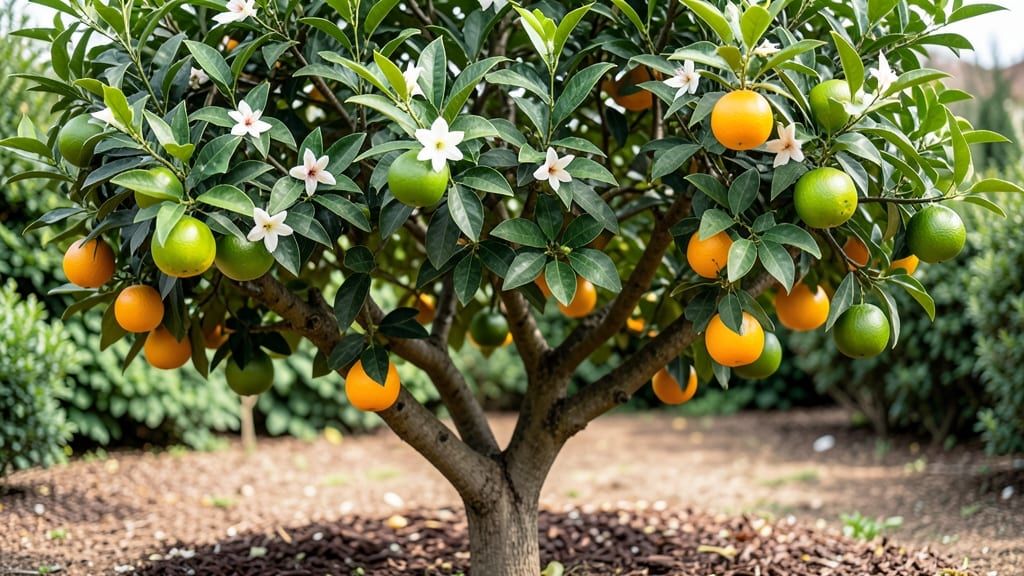
Your 90-day citrus harvest starts the moment you plant that bare-root orange tree during the orange tree growing season—just as the last frost threatens to retreat. 🌱 I learned the hard way that timing matters: plant too early, and frost will crisp the new leaves; too late, and your tree won’t have time to establish before winter’s chill sets in.
The sweet spot? When soil temperatures hit 60°F and stay there, usually 2-3 weeks after your last frost date—but that varies wildly from Florida’s year-round growing to California’s Mediterranean climate where winter dormancy is key.
Here’s the secret most gardeners miss: orange trees need full sun (6+ hours daily) and consistent moisture—but not soggy soil. In warmer zones (8-11), you can plant year-round, while colder zones (7 and below) demand container growing or indoor overwintering to survive temperatures below 25°F.
My dwarf Meyer lemon tree in Zone 6 thrives in a 15-gallon pot on my sunniest patio, and I bring it inside when temps dip. The payoff? Blossoms by summer, fruit by fall, and enough oranges to share by winter.
By month 3, you’ll spot those first white blossoms—a sure sign your tree is happy.
Prune lightly to encourage airflow, and watch as tiny green oranges form. Harvest time arrives 6-9 months after flowering, depending on the variety, but the real magic happens when you taste that first homegrown orange, juicy and sweeter than store-bought.
The tree’s dormancy period (if in cooler climates) is your cue to trim back, fertilize lightly, and protect from frost with burlap wraps or a move indoors.
Whether you’re in Florida’s frost-free zone or Zone 5’s short growing season, the same rules apply: sun, patience, and protection. Start with the right variety for your climate—Meyer lemons for cold snaps, Valencia oranges for heat—and you’ll be picking fruit in under a year.
The first harvest is the sweetest, but the real reward? A sunny citrus tree that keeps giving for decades.
📚 In This Guide
- What you need
- Instructions
- Tips and common mistakes
- Wrapping up and next steps
What you need
- ● Orange tree sapling: Choose a Citrus sinensis (sweet orange) or Citrus × aurantium (seville orange) from a nursery. Opt for a 1-2 year old tree in a 3-5 gallon pot for container growing.
- ● Well-draining potting mix: 50 lbs of a blend with 50% peat moss/coir, 30% perlite, and 20% compost (or use a pre-mixed citrus/succulent mix).
- ● Container (if applicable): Minimum 15-gallon pot (24" diameter) for dwarf varieties.
- ● Drainage tray to catch excess water.
- ○ Pot feet or casters (optional, for mobility).
- ● Fertilizer: Citrus-specific fertilizer (e.g., 10-10-10 or 8-3-9 NPK ratio) with micronutrients like zinc and iron.
- ● Slow-release granules (e.g., Osmocote) for seasonal feeding.
- ● Mulch: 2-3 inches of pine bark or straw mulch to retain moisture and regulate soil temperature.
- ○ Support stake (optional): A 5-6 ft bamboo stake if growing in containers or windy areas.
- ● Gloves (nitrile or leather to protect from thorns).
- ● Pruning shears (sterilized with rubbing alcohol).
- ● Trowel or hand shovel for planting.
- ● Watering can or hose with a gentle spray nozzle (avoid overhead watering).
- ● pH test kit (ideal soil pH: 6.0–7.0).
- ● Spray bottle with neem oil (for pest prevention).
- ● Sunlight access: 6–8 hours of direct sunlight daily (south-facing window or outdoor spot).
- ● Temperature control: Protect from frost (below 28°F/-2°C) with a frost cloth or indoor move.
- ● Drip irrigation system for consistent moisture.
- ● Humidity tray (pebble tray with water) for indoor containers.
- ● Citrus food supplement (e.g., Epsom salt for magnesium).
- ● Pollination aid: A soft paintbrush to hand-pollinate flowers (if indoor).
- ● Grow lights (LED, 12-hour daylight cycle) for indoor setups.
Instructions for cultivating oranges in a 90-Day growing season
Here's how to coax citrus fruit from a young tree in just three months—no greenhouses or magic required.
☀️ Step 1: Select a Cold-Hardy Variety and Plant at the Right Time
Choose dwarf varieties like 'Calamondin' or 'Improved Meyer' lemon-orange hybrids, which tolerate brief cold snaps better than true oranges. Plant your 4-inch container-grown tree in early spring, when nighttime temperatures stay above 40°F—this gives roots 6 weeks to establish before summer heat arrives.
Dig a hole twice as wide as the root ball but only as deep. The top of the root flare should sit ½ inch above ground level—this prevents water from pooling and rotting roots. I always mix the native soil with 20% compost to improve drainage, since citrus hates soggy feet.
💧 Step 2: Water Deeply and Mulch to Retain Moisture
Water immediately after planting, soaking the root zone until water runs out the bottom. Then, water once weekly until the top 6 inches of soil feels dry. Citrus trees need consistent moisture but despise wet feet—let the top layer dry between waterings to prevent fungal issues.
Spread 3 inches of wood chip mulch around the base, keeping it 6 inches away from the trunk. This conserves moisture and regulates soil temperature. I check mulch depth monthly—if it decomposes below 2 inches, I add more. Avoid organic mulches like grass clippings, which can compact and suffocate roots.
✂️ Step 3: Prune for Airflow and Fertilize for Fruit Set
When new growth reaches 6-8 inches, prune back ⅓ of the longest branches to encourage bushier growth. Remove any crossing branches or dead wood with clean, sharp shears. I always sanitize my tools with rubbing alcohol between cuts—citrus trees are prone to bacterial infections.
Six weeks after planting, apply a balanced citrus fertilizer (10-10-10 ratio) at ½ the recommended rate. This gives the tree a gentle nutrient boost without overwhelming it. Repeat monthly through summer, but reduce to every 6 weeks in fall to prepare for dormancy.
🌿 Step 4: Protect from Pests and Late-Season Chill
Watch for aphids or scale insects on new growth—spray with neem oil at the first sign of sticky residue (honeydew). I treat my trees every 2 weeks during peak growing season as a preventative measure. Avoid chemical pesticides, which can linger on fruit and harm beneficial insects.
As temperatures drop toward 50°F in late summer, move potted trees to a sheltered spot or cover them with frost cloth. Young trees are especially vulnerable—even a light frost can damage new growth. I always monitor the 7-day forecast and act before cold snaps hit.
🍊 Step 5: Harvest and Prepare for Next Season
Oranges typically ripen 90-120 days after flowering. You'll know they're ready when they release easily from the tree and have a vibrant color. Cut fruit from the tree with pruning shears to avoid damaging branches. Store harvested oranges at 55-60°F to slow ripening.
After harvest, reduce watering to every 2 weeks and stop fertilizing entirely. This encourages dormancy. In late winter, prune again to remove any dead or weak growth, then resume regular care when buds begin to swell in spring.
Tips & tricks for cultivating citrus in short seasons
Here's what I learned after growing citrus in cooler climates—these tricks help you beat the odds and still get fruit.
Variety Selection Matters: While 'Calamondin' and 'Improved Meyer' are excellent choices, consider 'Satsuma' mandarins for even better cold tolerance—they can handle brief dips to 18°F without damage. If you're in a particularly chilly zone, these hybrids give you that extra margin of safety. I've seen Satsumas produce fruit even when other varieties struggle, thanks to their natural resilience.
Soil Temperature is Critical: Citrus roots need soil temperatures above 60°F to thrive. If your spring nights dip below this, consider using black plastic mulch around the base of your tree to absorb heat. I've raised soil temps by 10°F using this method, which makes all the difference in early planting. Just remember to remove it before summer to prevent overheating.
Fertilizer Timing is Everything: The instructions mention applying fertilizer at half-strength six weeks after planting, but I've found even better results by splitting this into two applications: half at planting and half at 4 weeks. This gradual approach prevents nutrient shock while still giving your tree the boost it needs. Always use a slow-release citrus-specific fertilizer to avoid burning delicate roots.
Pest Prevention Starts Early: Don't wait for visible pests before acting—start your neem oil treatments 2 weeks after planting as a preventative measure. I've found that establishing this routine early creates a protective barrier that keeps aphids and scale from ever getting a foothold. The key is consistency: stick to that 2-week schedule throughout the growing season, and you'll dramatically reduce pest pressure.
Pro Tips for Orange Tree Growing Season
- Here's what I learned after growing citrus in cooler climates—these tricks help you beat the odds and still get fruit.
- Variety Selection Matters: While 'Calamondin' and 'Improved Meyer' are excellent choices, consider 'Satsuma' mandarins for even better cold tolerance—they can handle brief dips to 18°F without damage.
- Soil Temperature is Critical: Citrus roots need soil temperatures above 60°F to thrive.
Frequently asked questions
Got questions about growing your own orange tree? You’re not alone!
Here are answers to the most common queries about timing, care, and troubleshooting during the orange tree growing season—so you can enjoy a bountiful harvest in just 90 days.
When is the best time to plant an orange tree for a quick harvest?
For a 90-day harvest, plant dwarf or Meyer lemon/orange hybrids in early spring (after the last frost) or late summer (6-8 weeks before the first frost). Container-grown trees adapt faster, so you can even start indoors in winter for an early spring transplant.
How do I know if my orange tree is getting enough sunlight?
Orange trees thrive in 6-8 hours of direct sunlight daily. If leaves turn yellow or fruit stays small, it’s likely underwatered or undersunlit. Move your container to a south-facing window or balcony (or use a grow light for indoor setups). Leaves curling? It might be too hot—provide afternoon shade in extreme heat.
Why aren’t my orange tree’s flowers turning into fruit?
Common culprits: lack of pollination, young age, or nutrient deficiency. Hand-pollinate with a brush if bees aren’t visiting. Ensure your tree is 1-2 years old (dwarf varieties may fruit sooner). Feed with citrus-specific fertilizer (high in nitrogen early, then potassium/phosphorus for blooms). Overwatering can also stress the tree—let soil dry slightly between waterings.
Can I grow an orange tree indoors year-round, or do I need outdoor space?
Yes! Dwarf varieties like Meyer lemons or Calamondin oranges thrive indoors with bright light, humidity (60%+), and occasional outdoor time (spring/summer). Use a self-watering container and rotate the pot weekly for even growth. Just know: indoor trees may produce fewer fruits than outdoor ones.
What should I do if frost threatens my orange tree?
Orange trees hate frost—temperatures below 28°F (-2°C) can kill the tree. Move potted trees indoors or to a garage/shed (wrap in blankets for extra protection). For outdoor trees, cover with frost cloth and water roots before sunset (moist soil insulates better). Dwarf varieties recover faster than full-sized trees.
Pro Tip: Prune strategically!
Trim dead or crossing branches in late winter/early spring to encourage airflow and fruit production. Avoid heavy pruning during the growing season—it can stress the tree. Use sterilized shears to prevent disease.
Wrapping up and next steps
Growing an orange tree in 90 days is a rewarding journey—packed with sunshine, fresh citrus, and the joy of nurturing life!
Whether you're a container gardening newbie or a seasoned green thumb, understanding the orange tree growing season and its needs is your secret to success. 🌱 With the right soil, light, and care, you’ll soon be savoring homegrown oranges straight from your balcony or backyard.
Ready to take the next step? Start by planting your citrus sapling today—then watch as your tiny tree transforms into a fruitful, fragrant masterpiece. Happy growing! 🍊✨