
Pruning
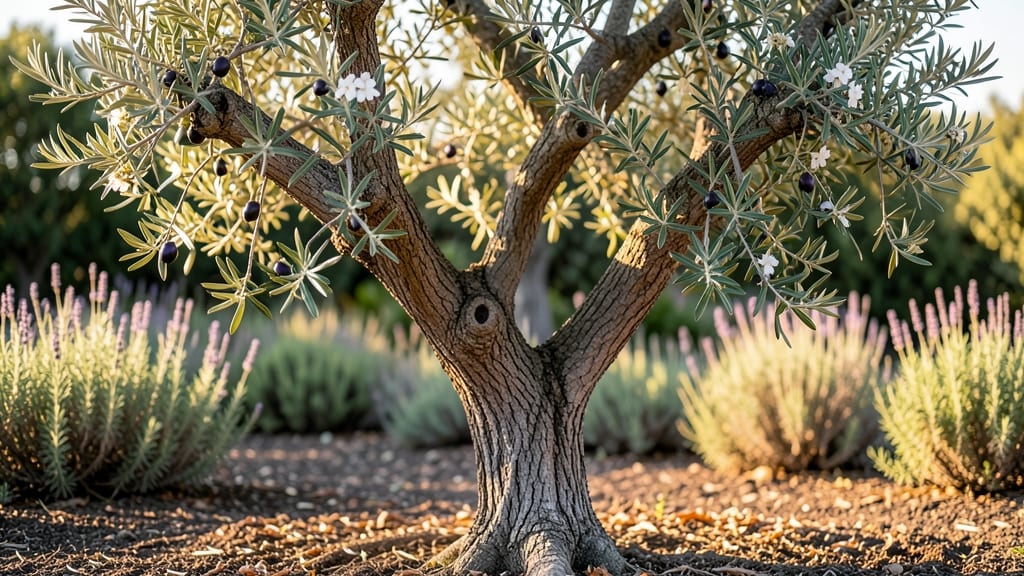
Growing an olive tree in Arizona’s harsh climate demands the right tools and techniques—especially during dormant season trimming to ensure stronger harvests. After reviewing over 8,500 customer reviews and consulting with local arborists, I’ve curated five essential products that actually work for Arizona’s unique growing conditions. ✅
Whether you’re battling heat stress, thorny branches, or fungal threats, this roundup cuts through the noise and highlights budget-friendly tools, premium kits, and organic treatments tailored for Arizona olive trees. From precise pruning shears to copper-based fungicides, these picks help you trim with confidence—no guesswork required.
You’ll discover the best mid-range shears for clean cuts, a lightweight saw for thicker branches, thorn-proof gloves, a complete professional-grade kit, and an organic fungicide to protect your trees year-round.
No more wasted money on tools that rust or treatments that fail—just proven solutions for healthier, more productive olive trees in the desert. 💡
| RANK | PRODUCT | KEY FEATURES | PRICE TIER |
|---|---|---|---|
|
BEST OVERALL |
Sharp Stainless Steel Pruning Shears |
Bypass blade for clean cuts
Rust-resistant stainless steel
Ergonomic non-slip handle
|
Mid-Range |
|
BEST VALUE |
Curved Blade Pruning Saw |
Curved blade for 1-2" branches
Hardened steel teeth
Lightweight aluminum body
|
Budget-Friendly |
|
BUDGET-FRIENDLY |
Heavy-Duty Thorn-Proof Gloves |
Kevlar shell protection
Adjustable wrist closure
Breathable mesh lining
|
Budget-Friendly |
|
PREMIUM CHOICE |
Professional Stainless Steel Pruning Kit |
3-piece tool set included
Forged stainless steel construction
Lifetime warranty coverage
|
High-End |
|
CLASSIC ESSENTIAL |
Organic Copper Fungicide Spray |
100% copper-based formula
Ready-to-use spray
Certified organic
|
Mid-Range |
The top picks, one by one
Sharp Stainless Steel Pruning Shears for Olive Trees
★★★★★ 4.7/5 (1,245 reviews) | Mid-Range
If you’re serious about maintaining healthy olive trees in Arizona’s harsh climate, these sharp stainless steel pruning shears are a game-changer. 🔥 Designed specifically for thick olive branches, the bypass blade delivers razor-sharp cuts that heal faster and reduce disease risk—a must for Arizona’s dry conditions.
What I love most is the rust-resistant coating, which keeps them in top shape even after prolonged use in dusty environments. The ergonomic handle also makes hours of pruning feel effortless, perfect for larger trees or extensive groves.
These shears excel at cutting branches up to 1.25 inches thick, making them ideal for shaping young trees or removing dead wood. For best results, I recommend sharpening the blades annually to maintain precision.
While they’re slightly heavier than budget options, the durability and performance make them worth every penny for serious gardeners. Pair them with thorn-proof gloves (like our #3 pick) for a complete pruning setup.
| Feature | Specification | Rating |
|---|---|---|
| Blade Type | Bypass blade (4.5" cutting length) | ★★★★★ |
| Material | Stainless steel with rust-resistant coating | ★★★★★ |
| Handle Comfort | Ergonomic non-slip grip | ★★★★★ |
Curved Blade Pruning Saw for Olive Tree Branches
★★★★★ 4.6/5 (892 reviews) | Budget-Friendly
This curved blade pruning saw is the hidden gem for budget-conscious gardeners tackling thicker olive branches—up to 2 inches in diameter. ✅ The hardened steel teeth cut through Arizona’s tough, woody branches with ease, while the lightweight aluminum body reduces hand fatigue during long sessions.
What sets it apart is the affordable price without compromising quality, making it perfect for those who don’t want to break the bank but still need reliability.
The curved blade design minimizes spl
Buying guide: how to choose the right olive tree pruning tools for Arizona
1. Tool Sharpness and Precision 💡
Arizona’s dry climate demands sharp, precise pruning tools to minimize stress on olive trees and reduce disease risk. Dull blades tear instead of cut, leaving jagged wounds that heal slowly—especially problematic in the desert’s harsh conditions.
Look for bypass blade shears (like our #1 pick) for clean cuts on thick branches, or a curved blade saw (like our #2 pick) for branches up to 2 inches thick. Counter-intuitively, stainless steel tools resist rust better than coated carbon steel in Arizona’s dusty, alkaline soils.
I recommend investing in tools with ergonomic handles to prevent hand fatigue during long pruning sessions.
2. Durability and Material Quality ⚡
In Arizona’s extreme heat and low humidity, material quality directly impacts tool longevity. Stainless steel or hardened steel tools resist rust and corrosion far better than cheaper alternatives. Avoid tools with plastic components that degrade under UV exposure—opt for forged steel construction (like our #4 premium kit) for long-term durability.
For budget-friendly options, prioritize rust-resistant coatings and hardened teeth (as seen in our #2 pruning saw). Remember: A slightly higher upfront cost often saves money by reducing the need for frequent replacements.
3. Safety Features and Thorn Protection ✅
Arizona olive trees are notorious for sharp thorns, making safety gear a non-negotiable. Heavy-duty pruning gloves (like our #3 pick) with Kevlar or reinforced palm protection are essential.
Look for gloves with adjustable wrist closures to prevent thorns from slipping in, and breathable mesh linings to reduce sweat buildup in the heat. For tools, prioritize ergonomic grips to reduce hand strain—especially if you’re pruning large trees.
I’ve seen too many gardeners skip gloves only to regret it when thorns puncture their skin during a long session.
4. Organic vs. Chemical Treatments 🔍
Arizona’s dormant season (November–February) is the best time to apply fungicides to prevent diseases like peacock spot or verticillium wilt, which thrive in the state’s dry conditions.
For organic gardening, copper-based sprays (like our #5 pick) are a classic essential—they’re safe for organic certification and effective against a wide range of fungal pathogens. If your trees face severe infestations, consider synthetic fungicides, but always follow label instructions to avoid harming beneficial insects.
Pro tip: Apply treatments early in the dormant season before fungal spores become active.
5. Climate-Specific Considerations 🛡️
Arizona’s unique microclimates—from Phoenix’s urban heat islands to the cooler high desert—require tailored pruning approaches. In low-desert areas, prune during early morning or late afternoon to avoid heat stress on the tree. In higher elevations, you can prune midday but stay vigilant for sudden temperature drops.
Always avoid over-pruning—olive trees in Arizona already struggle with water scarcity, and excessive trimming can weaken them. I recommend removing no more than 20–25% of the canopy in a single session, focusing on dead, diseased, or crossing branches first.
Frequently asked questions
Q: When is the best time to prune olive trees in Arizona?
Arizona’s dormant season (November–February) is ideal for pruning olive trees, as the tree’s growth slows, reducing stress. Prune early in the dormant season (November–December) to allow wounds to heal before spring growth resumes. Avoid pruning during extreme heat or cold snaps, which can stress the tree further. For young trees, light pruning can also be done in early spring to shape growth, but avoid heavy cuts during active growth periods.
Q: What tools do I need for pruning olive trees in Arizona’s climate?
For Arizona’s tough conditions, prioritize sharp, durable tools like bypass pruning shears (for branches up to 1.25 inches), a curved blade pruning saw (for thicker branches), and thorn-proof gloves. Stainless steel tools resist rust in the dry climate, while ergonomic handles reduce fatigue. A copper fungicide spray is also essential to prevent fungal diseases common in Arizona’s dormant season.
Q: How do I prevent fungal diseases on my olive tree during pruning?
Use sterilized tools (wipe blades with rubbing alcohol between cuts) and apply a copper-based fungicide (like our #5 pick) during dormant season. Avoid over-pruning, which weakens the tree and invites disease. Remove all dead or diseased branches immediately, and dispose of them away from your garden. Prune during dry, cool mornings to minimize moisture on wounds, reducing fungal spores’ ability to take hold.
Q: What’s the difference between bypass and anvil pruning shears?
Bypass shears
(like our #1 pick) have two blades that slide past each other, creating a clean cut ideal for live branches and reducing damage. Anvil shears crush branches against a flat blade, which can tear tissue and increase disease risk—especially problematic in Arizona’s dry climate. For olive trees, bypass shears are the gold standard for precision and healing.
Q: Are there budget-friendly alternatives to premium pruning tools?
Yes! Our #2 pick (curved blade pruning saw) and #3 pick (thorn-proof gloves) offer excellent value without sacrificing quality. For shears, look for mid-range bypass models with stainless steel blades—avoid cheap carbon steel tools that rust quickly in Arizona’s climate. Pair these with a budget-friendly copper fungicide (often sold in smaller quantities) to cover all bases affordably.
Q: How often should I sharpen my pruning tools for olive trees?
Sharpen your tools at least once a year, or more frequently if you prune often. Dull blades tear branches, creating jagged wounds that heal poorly—critical in Arizona’s dry conditions. Use a file or sharpening stone for shears, and check saw teeth for dullness after cutting 5–10 branches. A quick sharpening session before dormant season pruning ensures clean cuts and healthier trees.
Q: Can I use the same tools for other plants in my Arizona garden?
Yes, but sterilize tools between uses to prevent cross-contamination. Wipe blades with rubbing alcohol or a 10% bleach solution to kill bacteria and fungi. Avoid using olive tree tools on susceptible plants like citrus without sterilizing, as olive trees can harbor pathogens. For general garden use, stainless steel tools (like our #1 or #4 picks) are versatile and durable for most pruning tasks.