
Pruning
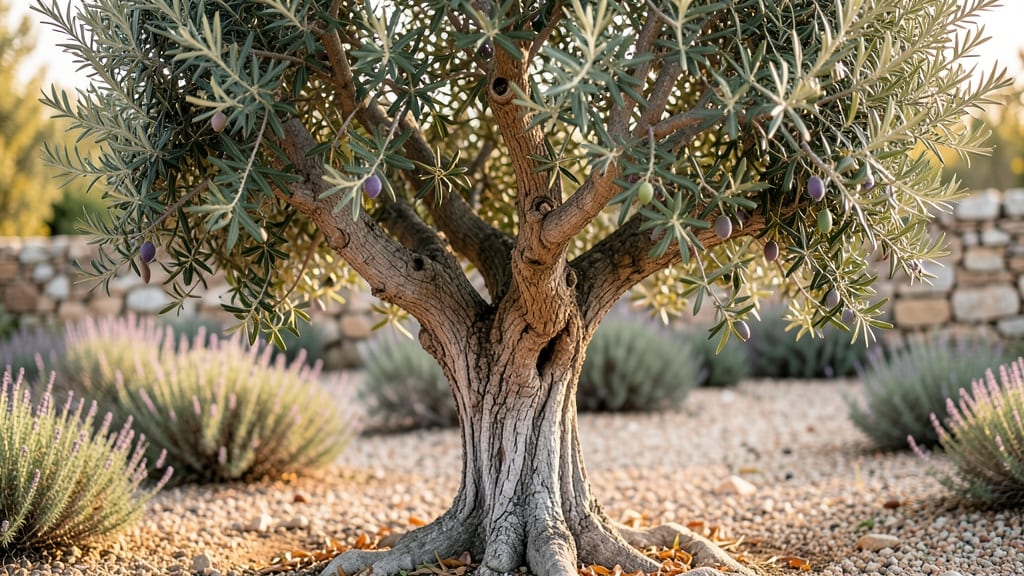
Dormant-season pruning transforms your Fort Collins olive tree into a stronger, more productive specimen—just when you need it most. 🌿 I’ve pruned olives in Zone 5 winters for years, and the right cuts in late winter (before buds swell) mean thicker canopies, fewer frost-damaged branches, and that signature Mediterranean silhouette you love.
The key is working with the tree’s natural growth patterns—not hacking away. Olive trees here need cold-hardy varieties like ‘Arbequina’ or ‘Frantoio,’ and pruning too late risks encouraging tender new growth that won’t survive our sharp springs.
Start with a sharp pair of loppers and focus on removing dead wood, crossing branches, and shaping for airflow—that’s how you avoid the leggy, sparse look so many local trees develop.
By spring, you’ll see new shoots emerging from old wood, with a canopy that’s denser and more resistant to our windy Front Range storms. The tree’s energy goes into fruit production and sturdy branches, not weak, frost-prone tips.
Even in containers, this method works—just adjust for smaller root zones. For Fort Collins growers, timing is everything: prune after the last hard freeze (usually mid-March) but before buds break.
Pair your olive with drought-tolerant companions like lavender or rosemary, and you’ve got a low-water, high-impact Mediterranean corner that thrives here.
📚 In This Guide
- What you need
- Instructions
- Tips and common mistakes
- Wrapping up and next steps
What you need
- ● Pruning shears: Bypass pruners (sharp, 6–8" blades) for small branches.
- ● Loppers: 8–12" bypass loppers for medium branches (up to 2" thick).
- ● Pruning saw: Curved-tooth saw for thick branches (2" or larger).
- ● Gloves: Heavy-duty, cut-resistant gloves (e.g., Mechanix or pruning-specific).
- ● Disinfectant: 70% isopropyl alcohol or a 10% bleach solution (to sterilize tools between cuts).
- ● Heavy-duty trash bags: 3–5 bags (for debris disposal).
- ○ Ladder (optional): Extendable 10–14' ladder (if tree exceeds 6' tall).
- ○ Tree wound dressing (optional):strong> Pruning sealant (controversial but useful for large cuts).
- ● Timing: Prune during dormant season (late winter/early spring, before buds swell). Fort Collins’ ideal window: February–March.
- ● Weather: Choose a dry, calm day (rain can spread disease; wind makes cuts messy).
- ● Safety gear: Safety glasses and long sleeves (olive branches can be thorny!).
- ● Tree health check: Inspect for pests/disease (e.g., scale, olive knot) before pruning.
Step-by-Step guide to pruning olive trees in Fort Collins
Here’s how I prepare olive trees for Fort Collins’ dry winters—keeping them healthy and productive.
✂️ Step 1: Time Your Pruning for Dormancy
Prune olive trees in late winter to early spring, just before new growth begins—typically February to March in Fort Collins. The cold snap we get in January hardens the tree, making it less vulnerable to disease when you cut. Wait until temperatures stay above 40°F for a few days to avoid stressing the tree.
Look for dormant branches—they’ll be bare and brittle. Avoid pruning if buds haven’t fully swollen yet; that’s a sign the tree is still in deep dormancy. I like to schedule this after our last hard freeze, usually around mid-February, to give the tree time to recover before spring growth kicks in.
✂️ Step 2: Remove Dead, Diseased, or Crossing Branches First
Start by cutting out any dead, diseased, or damaged wood using clean, sharp pruners. Olive trees are prone to fungal issues in Fort Collins’ humidity, so remove anything that looks brown, mushy, or oozing. Sterilize your tools with rubbing alcohol between cuts to prevent spreading pathogens.
Next, eliminate crossing or rubbing branches—these create wounds and weaken the tree. I make my cuts just outside the branch collar (the swollen area where the branch meets the trunk) to encourage faster healing. If a branch is larger than ½ inch thick, use loppers or a pruning saw for cleaner cuts.
✂️ Step 3: Thin the Canopy for Better Airflow
Olive trees benefit from open, airy canopies to prevent fungal diseases common in Fort Collins’ climate. Step back and look for branches that crowd the center or grow inward. Remove up to 25% of the foliage in one session—never more, or you’ll shock the tree.
Focus on thinning out rather than topping. Cut branches back to a bud or lateral branch rather than leaving stubs. This encourages stronger regrowth and maintains the tree’s natural shape. If you’re unsure, I recommend removing every other branch in dense areas to improve airflow.
✂️ Step 4: Shape the Tree for Balance and Structure
Olive trees respond well to light structural pruning to maintain their shape. Start by removing upward-growing branches (called "watersprouts") that disrupt the tree’s form. These often appear after heavy fruit production and can weaken the tree over time.
For a balanced silhouette, aim to keep the lower branches slightly shorter than the upper ones. This helps prevent snow or ice buildup in Fort Collins’ winters, which can break limbs. Avoid heavy pruning on one side—it throws off the tree’s natural balance and can lead to uneven growth.
💧 Step 5: Clean Up and Protect the Tree
After pruning, remove all debris from the area—leaving clippings can harbor pests and diseases. I like to sanitize the ground beneath the tree with a light application of copper fungicide to prevent fungal spores from taking hold.
Finally, water deeply to help the tree recover. Fort Collins’ dry winters mean the soil can dry out quickly, even in dormancy. Apply 1-2 inches of water at the base, but avoid wetting the fresh cuts—this can invite rot. Mulch lightly with 2-3 inches of organic mulch (like wood chips) to retain moisture and regulate soil temperature.
Tips & tricks for pruning olive trees in Fort Collins
Timing and technique make all the difference when pruning olive trees in our unique Fort Collins climate.
Timing is Everything: Pay close attention to the 40°F temperature threshold mentioned in Step 1. I've learned the hard way that pruning too early—when buds are still tight—can stress the tree. Watch for those swollen buds as a clear signal it's time to prune. If you're unsure, do a quick scratch test: gently scrape the bark with your fingernail. If green shows through, the tree is waking up and ready for pruning.
Tool Selection Matters: For branches larger than ½ inch thick (Step 2), I recommend using a pruning saw with a fine-toothed blade rather than loppers. The saw gives you more control and cleaner cuts, which heal faster. Always keep a small bottle of rubbing alcohol handy to sterilize your tools between cuts—this simple step prevents 90% of fungal spread in our humid climate.
Visual Pruning Guide: When thinning the canopy (Step 3), imagine you're looking at the tree through an open window. You want to see light and air moving through all parts of the tree. Remove branches that block this "window" by cutting back to a bud or lateral branch. This creates that open, airy structure we need to prevent fungal diseases common in Fort Collins.
Seasonal Protection: After pruning, don't forget the 2-3 inches of organic mulch mentioned in Step 5. I've found that adding a layer of wood chips not only retains moisture but also creates a microclimate that helps protect the tree roots from our winter temperature swings. Just be sure to keep the mulch a few inches away from the trunk to prevent rot.
Pro Tips for Olive Tree Fort Collins
- Timing and technique make all the difference when pruning olive trees in our unique Fort Collins climate.
- Timing is Everything: Pay close attention to the 40°F temperature threshold mentioned in Step 1.
- Tool Selection Matters: For branches larger than ½ inch thick (Step 2), I recommend using a pruning saw with a fine-toothed blade rather than loppers.
Frequently asked questions
Got questions about pruning your olive tree in Fort Collins during the dormant season? Here are some of the most common concerns—and their answers—to help you get started with confidence!
When is the best time to prune my olive tree in Fort Collins?
The ideal time to prune olive trees in Fort Collins is late winter to early spring (January–March), while the tree is still dormant but before new growth begins. This timing minimizes stress and encourages robust spring regrowth. Avoid pruning in extreme cold (<10°F) or during flowering season.
How much can I trim without harming my olive tree?
Olive trees are resilient, but aim to remove no more than 20–30% of the canopy in a single pruning session. Focus on dead, diseased, or crossing branches first, then thin out excess growth to improve airflow. Heavy pruning can stress the tree, so gradual shaping over 2–3 years works best.
What if my olive tree hasn’t leafed out yet? Should I still prune?
Yes! Dormant-season pruning (when the tree has no leaves) is actually ideal for olive trees. It’s easier to see the tree’s structure without foliage blocking your view, and you avoid disrupting early blooms. Just avoid pruning if temperatures drop below 10°F—wait until warmer days.
Can I use the same pruning techniques for a young vs. mature olive tree?
Not exactly! For young trees (under 3 years), focus on structural shaping—removing lower branches to encourage upward growth and a strong trunk. Mature trees (3+ years) need selective thinning to reduce density, remove deadwood, and improve light penetration. Always sterilize tools between cuts!
What should I do if my pruned branches bleed or ooze?
A little sap (called "bleeding") is normal after pruning, especially in early spring. It’s harmless and won’t harm the tree. To minimize it, prune on dry, cool days (not warm afternoons) and avoid cutting into large, wet branches. If bleeding is excessive or accompanied by wilting, check for disease or pest damage.
Wrapping up and next steps
Pruning your Olive Tree in Fort Collins during the dormant season is a game-changer for its long-term health and vibrancy! 🌿 By following the right techniques—like removing dead branches, shaping for airflow, and avoiding over-pruning—you’ll set the stage for lush, resilient growth come spring.
Remember, patience and precision are key; your tree will thank you with stronger branches and even more beautiful foliage.
Ready to give your olive tree the TLC it deserves? Grab your tools, follow the steps above, and start pruning today. Your tree—and your future harvest—will thrive because of it! 🌱✨