
Pruning
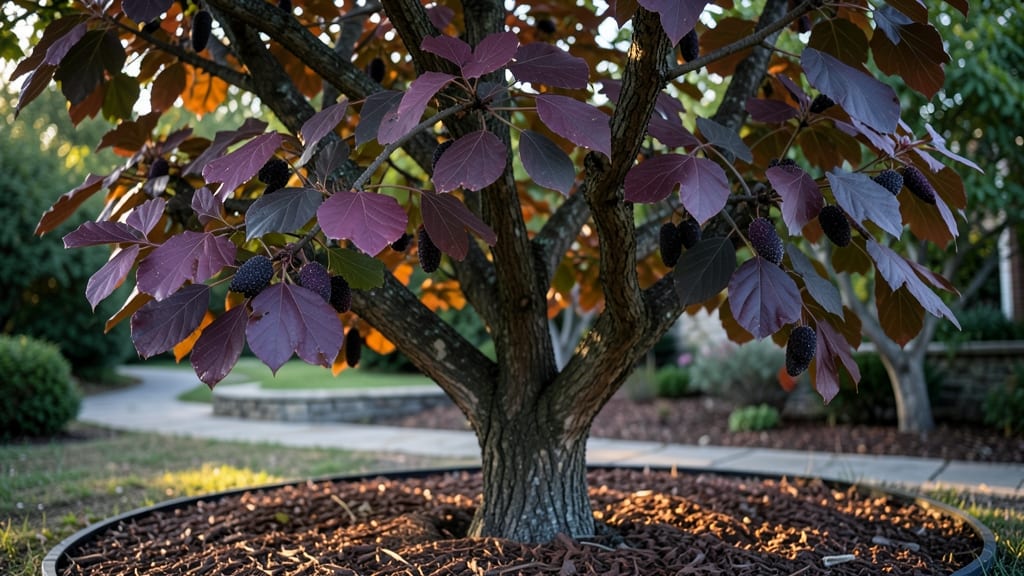
A large mulberry tree 🌳 can reach towering heights of 60 feet or more, but with the right pruning techniques, you can keep it manageable without sacrificing its beauty or fruit production.
Growing a large mulberry tree that thrives without taking over your yard requires strategic pruning—yet most gardeners either over-prune or neglect this critical step, leading to weak growth or unruly branches.
This guide will show you how to prune for fast, controlled growth, whether you're working with a young sapling or a mature tree in your 6a zone.
From seasonal timing to avoiding common mistakes, you’ll learn exactly when to trim, how much to remove, and which tools to use for the best results.
When and how to prune a large mulberry tree for optimal growth
Pruning a large mulberry tree isn't just about keeping it tidy—it's about shaping its future. Without proper pruning, your tree can grow uncontrollably tall (up to 60 feet) while producing sparse fruit. The key is timing and technique, balancing structural integrity with fruit yield.
Mulberries thrive with seasonal pruning, but most gardeners make one critical mistake: pruning at the wrong time. Winter pruning can stress the tree, while summer pruning can reduce fruit production. Let's break down the optimal schedule and techniques to keep your mulberry tree healthy and productive.
Step-by-Step Pruning Guide for Large Mulberry Trees
When pruning, always make cuts just outside the branch collar (the swollen area where the branch meets the trunk). This ensures the tree can seal the wound naturally and reduces the risk of infection. For large branches, use the three-cut method to avoid tearing the bark.
Balancing fruit production and tree health is a delicate process. If you prune too aggressively, your mulberry tree may produce fewer berries the following year.
Conversely, minimal pruning can lead to a dense, unmanageable canopy. Aim for a moderate approach, focusing on removing only what’s necessary for airflow and structure.
Mulberry trees respond well to annual pruning, but young trees (under 5 years old) need less aggressive pruning. Let them establish a strong framework before shaping. For older trees, prioritize removing weak or overcrowded branches to maintain vigor and fruit quality.
One common misconception is that pruning a mulberry tree will reduce fruit production. In reality, proper pruning enhances yield by improving sunlight exposure and air circulation. Just avoid heavy pruning in late summer or fall, as this can stimulate new growth that won’t harden off before winter.
For urban or suburban gardens, consider pollarding (cutting back branches to a stub) every few years to control height. This method is ideal for trees growing near power lines or buildings, but it requires expertise to avoid damaging the tree.
After pruning, monitor your tree for signs of stress or recovery. New growth should appear within 4-6 weeks if the pruning was done correctly. If you notice yellowing leaves or stunted growth, you may have pruned too heavily—adjust your approach for the next season.
🌿
Common mulberry tree pruning mistakes that stunt growth
Your large mulberry tree may look healthy, but hidden pruning mistakes could be stunting its growth. Many gardeners unintentionally weaken their trees by making simple errors that redirect energy away from the trunk and roots. These mistakes often go unnoticed until you notice sparse foliage or slow growth.
One of the biggest culprits is over-pruning—removing more than 25% of the canopy in a single session. This stresses the tree, forcing it to divert energy to recovery instead of expanding its root system or producing strong branches.
Even well-meaning gardeners often fall into this trap when trying to control the tree's size.
Another common error is improper cutting techniques, like leaving jagged edges or cutting too close to the trunk. These wounds create entry points for pests and diseases, further weakening the tree. The wrong cuts also disrupt the tree's natural growth patterns, leading to uneven development.
⚠️ WARNING: These Pruning Mistakes Can Kill Your Mulberry Tree ⚠️
- Over-pruning (>25% canopy removal) weakens roots and stunts growth.
- Wrong timing (pruning in late fall/winter) invites disease and pests.
- Improper cuts (jagged edges, too close to trunk) create infection points.
- Ignoring dead branches lets decay spread into healthy wood.
Timing is another critical factor many gardeners overlook. Pruning at the wrong time—like late fall or winter—can leave your mulberry tree vulnerable to cold damage and disease. The ideal window is late winter to early spring, before new growth begins.
This allows the tree to heal quickly and redirect energy to fruit production and root expansion.
Even if you've already made these mistakes, your mulberry tree can recover with the right approach. Start by removing any dead or diseased branches immediately to prevent further spread.
Then, focus on balanced pruning—prioritize opening the canopy to improve airflow and sunlight penetration. This encourages stronger, healthier growth from the trunk and lower branches.
To redirect energy back to the roots and trunk, avoid heavy pruning in the fruit-bearing years. Instead, focus on structural pruning—removing only water sprouts and crossing branches.
This maintains the tree's natural shape while ensuring it allocates resources to its foundation. Over time, you'll see improved growth and a more robust tree structure.
Remember, the goal isn't just to prune—it's to prune strategically. By correcting these common mistakes, you'll help your large mulberry tree reach its full potential while keeping it healthy and productive for years to come. 🌳