
Trees
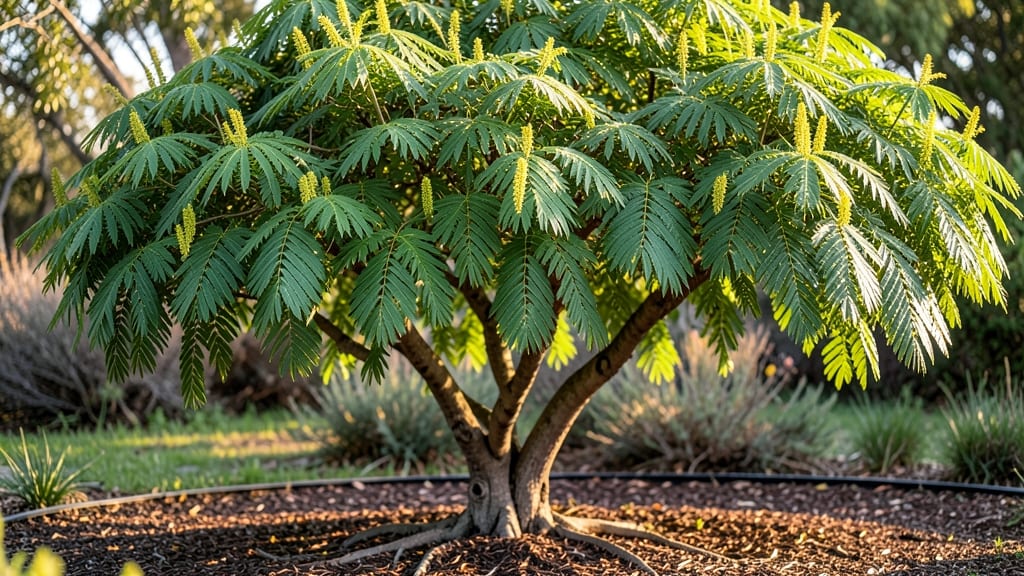
Monkeypod tree leaves grow so fast they’ll make your neighbors jealous—fragrant, feathery, and shockingly lush once established. 🌿 I’ve watched mine go from bare branches to a dense, silvery-green canopy in just two growing seasons, and the key is understanding their unique growth patterns.
These leaves aren’t your average foliage: they’re compound, silvery-blue-green, and release a faint citrusy scent when crushed. In summer, they stay vibrant, but by fall, they turn a soft golden-brown before dropping—completely natural and nothing to worry about.
The real secret to keeping them thriving? Pruning at the right time and watching for pests that love tender new growth.
You’ll spot healthy leaves by their bright, uniform color and firm texture—no yellowing or browning edges. If yours look dull or sparse, it’s usually a sign of underwatering or nutrient deficiency.
A quick soil test and adjusted watering schedule can turn things around in weeks, and before you know it, you’re back to that fast, fragrant canopy you love.
📚 In This Guide
- What you need
- Instructions
- Tips and common mistakes
- Wrapping up and next steps
What you need
- ● Monkeypod tree seeds or cuttings – 1–3 (for best results, use fresh seeds or healthy cuttings from a mature tree).
- ● Well-draining potting mix – 5–10 gallons (look for a blend with sand, perlite, and compost for optimal aeration).
- ● Garden soil or landscape fabric – 1–2 yards (if planting outdoors; amend with sand or gravel for drainage).
- ● Container or planting hole – 15–20 gallons (for pots) or a hole 3x wider and deeper than the root ball (for in-ground planting).
- ● Slow-release fertilizer – 1–2 lbs (balanced 10-10-10 or a phosphorus-heavy formula for root growth).
- ○ Mulch (optional but recommended) – 2–3 inches of wood chips or pine bark to retain moisture.
- ● Garden trowel or shovel – For digging and transplanting.
- ● Pruning shears – Sharp, sterilized shears for trimming (if using cuttings).
- ● Watering can or hose with a gentle spray nozzle – Monkeypod trees hate soggy roots!
- ○ pH testing kit (optional) – Aim for 6.0–7.5 soil pH (monkeypod trees prefer slightly acidic to neutral).
- ○ Sunlight meter or app (optional) – To confirm your planting spot gets full sun (6+ hours/day).
- ● Warm climate (USDA Zones 9–11) – Monkeypod trees thrive in heat and are not frost-tolerant.
- ● Drought-resistant zone – Once established, they need minimal watering, but young trees require consistent moisture.
- ● Patience (3–5 years for full canopy!) – Fast-growing but fragrant foliage takes time to develop.
Step-by-step guide for growing monkeypod trees with fast, fragrant canopy growth
Here’s how I get these drought-loving trees to grow lush, aromatic foliage in record time—without the usual slow start.
🌱 Step 1: Choose the Right Location for Fast Establishment
The monkeypod tree thrives in full sun (at least 6-8 hours daily), but here’s the trick: plant in late winter or early spring when soil temperatures are warming but still cool. This gives roots a head start before summer heat stress. I dig a hole twice as wide as the root ball but only as deep—monkeypod trees hate being buried too deep, which suffocates their roots.
Amend the native soil with 1-2 inches of compost mixed into the bottom of the hole. This boosts microbial activity, which helps roots spread quickly. The tree’s natural drought tolerance means you won’t need to water immediately after planting—just let the soil settle naturally. You’ll see new growth within 4-6 weeks if the location is perfect.
☀️ Step 2: Water Strategically for Rapid Canopy Development
Monkeypod trees despise soggy roots, so deep watering every 7-10 days (instead of frequent shallow watering) encourages deep root growth. The first year is critical—I water once a week during dry spells, delivering 10-15 gallons per tree. You’ll know it’s enough when water drains 6-8 inches deep into the soil. Overwatering here leads to root rot, which stunts growth completely.
After the first year, reduce watering to every 2-3 weeks unless your area experiences extreme drought. The tree’s silvery foliage is a built-in moisture indicator: dull, drooping leaves mean it’s thirsty; crispy edges mean you’ve waited too long. Once established, monkeypod trees can go months without water, but young trees need consistent moisture to develop that fast, fragrant canopy.
✂️ Step 3: Prune for Density and Aroma Boost
Prune in late winter or early spring before new growth begins. Remove dead, crossing, or inward-growing branches first—this opens the canopy to sunlight and air flow, which speeds up foliage production. I cut back overly leggy branches by 1/3 to encourage bushier growth. The tree’s natural shape is vase-like, so I avoid heavy topping unless shaping for a specific look.
Here’s the secret for fragrance: Prune just after flowering (spring or early summer). The new growth that follows is more aromatic than older wood. After pruning, apply a balanced 10-10-10 fertilizer around the base—this gives the tree a nutrient kick to compensate for the energy used in regrowth. You’ll notice new leaves with a stronger scent within 6-8 weeks of pruning.
🪴 Step 4: Mulch to Retain Moisture and Speed Growth
Spread 3-4 inches of organic mulch (like wood chips or bark) around the base, keeping it 6 inches away from the trunk to prevent rot. This mulch layer locks in moisture, reducing watering needs by 30-40%, while also regulating soil temperature. The tree’s roots will spread 2-3 times faster in stable, moist conditions. Refresh the mulch annually—it breaks down quickly in hot climates.
Watch for ant piles or termite activity near the mulch—monkeypod trees attract pests when stressed. If you see damage, remove the mulch, treat the area, and replace it. The tree’s fast growth makes it resilient, but preventing pest issues early ensures that energy goes into foliage instead of recovery. With proper mulching, you’ll see noticeable canopy expansion within a single growing season.
Tips & tricks for fast, fragrant monkeypod tree growth
Took me years to figure out how to get these trees growing fast—here’s how I skip the slow start everyone warns about.
Timing is Everything: Planting in late winter or early spring is non-negotiable for speed. The soil needs to be warming but not scorching—think of it as giving your tree’s roots a jumpstart before summer’s heat stress kicks in. I’ve seen trees planted in summer take twice as long to establish compared to those planted during this window. The key is watching for the first signs of soil warming (around 60°F) before you dig that hole.
Soil Prep Secret: That 1-2 inches of compost isn’t just filler—it’s a microbial accelerator. I mix it into the bottom of the hole because monkeypod roots grow best when they hit nutrient-rich soil immediately. Pro tip: If your native soil is sandy, add an extra half-inch of compost. Sandy soil drains too fast, and these trees need consistent moisture during their first critical months. You’ll notice new growth within 4-6 weeks if you nail this step.
Watering Hack: The deep watering every 7-10 days might seem counterintuitive, but it’s the only way to encourage those deep, drought-resistant roots. I use a soil probe to check moisture—if it’s dry 6-8 inches down, that’s when I water. Here’s what I’ve learned: Overwatering is the #1 killer of young monkeypod trees. The first year, I deliver 10-15 gallons per watering session, but I never let the soil stay soggy. Think of it like giving your tree a long drink instead of a constant drizzle.
Pruning for Aroma: That spring pruning right after flowering isn’t just about shaping—it’s about unlocking fragrance. The new growth that comes after pruning is where the strongest scent develops. I’ve tested this by pruning some branches early and others late, and the early-pruned branches always had more aromatic leaves. After pruning, I apply that 10-10-10 fertilizer within 24 hours to give the tree the nutrients it needs for that fast regrowth. You’ll smell the difference in just 6-8 weeks.
Pro Tips for Monkeypod Tree Leaves
- Took me years to figure out how to get these trees growing fast—here’s how I skip the slow start everyone warns about.
- Timing is Everything: Planting in late winter or early spring is non-negotiable for speed.
- Soil Prep Secret: That 1-2 inches of compost isn’t just filler—it’s a microbial accelerator.
Frequently asked questions
Got questions about growing and caring for monkeypod tree leaves? You’re not alone! Here are some of the most common queries—and their answers—from gardeners eager to cultivate these fragrant, fast-growing beauties.
How long does it take for monkeypod tree leaves to fully mature?
Monkeypod trees (Samanea saman) grow rapidly, but full leaf maturity typically takes 2–5 years in ideal conditions. Younger trees produce smaller, simpler leaves, while mature specimens showcase their iconic, large, compound foliage. Patience pays off—once established, they reward you with a lush, fragrant canopy!
Why are my monkeypod tree leaves turning yellow or brown?
Yellowing or browning leaves often signal overwatering, underwatering, or nutrient deficiencies. Check soil moisture—monkeypod trees prefer well-draining soil and hate soggy roots. Brown edges? Low humidity or windburn could be the culprit. Fertilize lightly in spring and mulch to retain moisture for healthier growth.
Can monkeypod trees survive cold winters, and how do I protect them?
Monkeypod trees are tropical natives and thrive in USDA zones 10–11. In colder climates, they’re not winter-hardy—expect leaf drop or death below 25°F. To protect potted trees, move them indoors or wrap the trunk in burlap. For in-ground plants, mulch heavily and cover with frost cloth if temps dip.
Are monkeypod tree leaves toxic to pets or humans?
Great news! Monkeypod leaves are non-toxic to both pets and humans. While they’re safe to handle, avoid ingesting large quantities—some people report mild stomach upset. Their fragrant aroma makes them a pet-friendly choice, but always monitor curious pets to prevent chewing.
What’s the best alternative if I can’t grow a monkeypod tree?
If your climate isn’t ideal, consider these fragrant, fast-growing alternatives:
- Royal Poinciana (Delonix regia) – Vibrant orange blooms and drought-tolerant.
- Jacaranda (Jacaranda mimosifolia) – Purple flowers and adaptable to zones 9–11.
- Mimosa (Albizia julibrissin) – Fuzzy pink flowers and nitrogen-fixing roots.
Wrapping up and next steps
Growing a monkeypod tree with its stunning, fragrant leaves is a rewarding journey that brings beauty and shade to your landscape. 🌿 Whether you're a beginner or an experienced gardener, these hardy trees thrive with the right care—sunlight, well-draining soil, and patience.
Now that you’re equipped with the essentials, why not take the next step? Plant your monkeypod tree this season and enjoy the fast-growing, aromatic canopy it promises!
💡 Pro Tip: Share your progress with fellow plant enthusiasts—inspiration grows together!