
Pruning
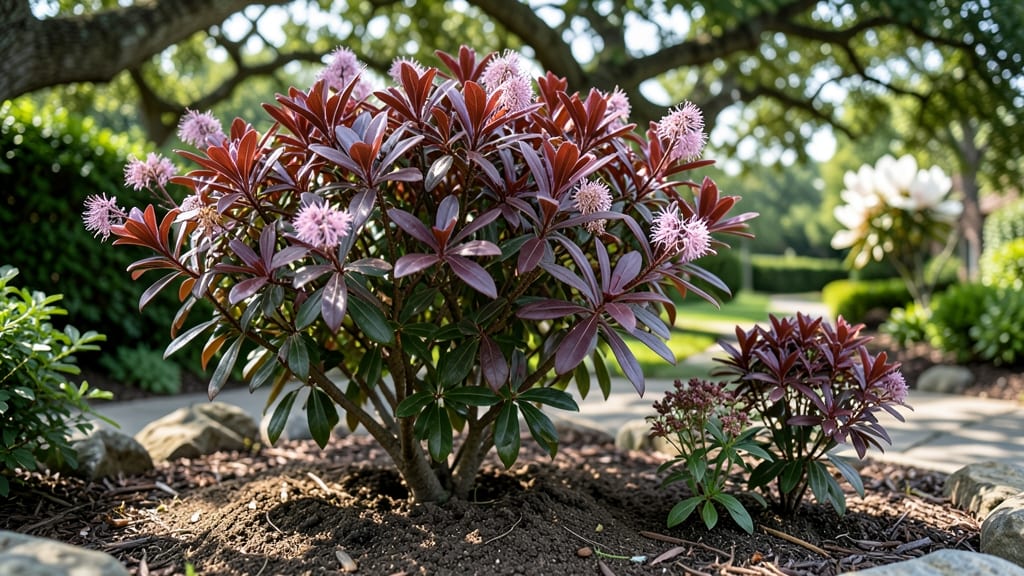
The height of a loropetalum tree can transform your garden from a modest shrub to a striking focal point 🌿 — and the difference often comes down to pruning.
Struggling to control its growth? Whether you’re aiming for a compact 3-foot dwarf or a towering 15-foot statement piece, the right techniques make all the difference. Without proper care, even the most stunning Loropetalum can outgrow its space, leaving you with a wild, unruly mess.
This guide breaks down how genetics, sunlight, and pruning shape your tree’s height, plus the step-by-step methods to keep it exactly where you want it—whether that’s a neat hedge or a small tree.
You’ll also learn how to spot common mistakes that send your Loropetalum skyrocketing and how to fix them before it’s too late. Let’s get started!

Natural loropetalum tree height variations: what to expect by cultivar
If you're planning your garden layout, understanding your loropetalum tree height is essential. This stunning shrub comes in various cultivars, each with distinct growth patterns influenced by genetics. Some stay compact, while others reach small tree heights—all while delivering that signature purple or burgundy foliage we love.
Let’s explore what to expect from popular varieties and how genetics play a role.
Genetics determine whether your loropetalum will grow as a dwarf shrub (3-5 ft) or a standard small tree (8-15 ft). Cultivars like 'Purple Passion' lean toward the taller end, while 'Yoda' stays low and bushy.
The key is selecting the right variety for your space and pruning habits. Let’s break down the most popular options and their natural growth ranges.
| Cultivar | Mature Height Range | Growth Habit | Best For |
|---|---|---|---|
| 'Purple Passion' | 8-12 ft | Upright, tree-like | Focal points, larger gardens |
| 'Rhapsody' | 5-8 ft | Bushy, multi-stemmed | Hedges, mixed borders |
| 'Yoda' | 3-5 ft | Compact, rounded | Containers, small gardens |
| 'Plum Delight' | 6-10 ft | Semi-upright, spreading | Privacy screens, mid-sized gardens |
| 'Little Red' | 4-6 ft | Dwarf, bushy | Borders, containers |
For example, the 'Purple Passion' cultivar naturally grows to 8-12 feet, making it perfect for creating a dramatic focal point in larger landscapes. Its upright growth habit means it can handle pruning to maintain height, but it won’t stay small without intervention.
On the other hand, 'Yoda' stays under 5 feet, making it ideal for containers or small gardens where space is limited.
Genetics also influence how quickly these plants grow. Taller varieties like 'Purple Passion' may grow 12-18 inches per year, while dwarf types like 'Yoda' grow more slowly, around 6-12 inches annually.
This difference is why choosing the right cultivar for your garden’s scale is crucial. If you’re unsure, consider starting with a semi-dwarf variety like 'Plum Delight' for versatility.
Soil and sunlight also play a role in height variations. Loropetalums thrive in well-draining soil with full sun to partial shade. Poor soil or shade can stunt growth, while ideal conditions may encourage faster height increases.
For instance, a 'Rhapsody' in full sun might outgrow its expected range if not pruned, while one in partial shade could stay shorter. Always match your cultivar’s needs to your site conditions.
If you’re aiming for a compact loropetalum, focus on dwarf cultivars and regular pruning. For a taller specimen, let standard types grow naturally and prune only to shape.
Understanding these natural height variations helps you plan for the future—whether you’re designing a hedge, a container display, or a standalone tree. The right choice starts with knowing what to expect from each cultivar’s genetics.
Pro tip: Always check the specific cultivar’s tag or description when purchasing. Some nurseries may label plants differently, and misinformation can lead to unexpected growth patterns. For example, a 'Purple Passion' labeled as a dwarf could grow much taller than anticipated.
When in doubt, ask the nursery staff for details on the plant’s expected mature size.
Finally, remember that even within a cultivar, individual plants may vary slightly in height due to growing conditions. However, sticking to the general ranges above ensures you’re prepared for the loropetalum tree height you’ll end up with.
Whether you’re after a low-growing shrub or a tall ornamental tree, selecting the right variety sets you up for success from day one.
Step-by-step pruning guide to control loropetalum height
Pruning your loropetalum isn’t just about keeping it tidy—it’s the secret to shaping its height and encouraging lush, bushier growth. Whether you’re aiming for a compact shrub or a taller specimen, timing and technique matter.
Late winter or early spring are the best times to prune, as your plant prepares for new growth. This guide breaks down the exact steps to control height while keeping your loropetalum thriving.
Before grabbing your pruning shears, know that loropetalum responds well to structured pruning but dislikes aggressive cuts. Focus on removing dead or overcrowded branches first, then shape the plant by cutting just above a leaf node or bud.
This encourages new growth in the right direction. For dwarf varieties, you’ll prune more frequently, while standard types can handle heavier cuts every few years.
🌿 Step-by-Step Loropetalum Pruning Guide
- 1 Timing: Prune in late winter (just before buds swell) or early spring (March-April in most zones). Avoid pruning in fall, as it can stimulate tender new growth before frost.
- 2 Tools: Use sharp bypass pruners for clean cuts and a hand saw for thicker branches. Sterilize tools with rubbing alcohol to prevent disease.
- 3 Remove Deadwood: Start by cutting out dead, diseased, or crossing branches at the base. This improves airflow and reduces pests.
- 4 Shape for Height: To reduce height, cut back 1/3 of the tallest branches just above a leaf node. For bushier growth, trim outer branches to encourage inner branching.
- 5 Thinning: Selectively remove overcrowded branches from the center to improve light penetration. Aim to open up the canopy by 20-30%.
- 6 Clean Up: Rake and dispose of pruned debris to prevent fungal diseases. Apply a 2-inch layer of mulch around the base to retain moisture.
- 7 Post-Pruning Care: Water deeply after pruning and avoid fertilizing for 4-6 weeks. Monitor for new growth and adjust future pruning as needed.
For dwarf loropetalum varieties, like 'Little Red' or 'Yoda', you’ll want to prune lightly every year to maintain their 3-5 foot height. Focus on shaping rather than drastic height reduction.
In contrast, standard varieties like 'Purple Passion' can handle more aggressive pruning every 2-3 years to keep them between 8-12 feet. Always step back and visualize the final shape before making cuts.
One common mistake is pruning in summer or fall, which can stress your loropetalum or leave it vulnerable to frost damage. Another pitfall is cutting too close to the main stem, which can stunt growth.
Instead, always leave a bud or leaf node to encourage regrowth. With practice, you’ll develop an eye for balancing structure and natural beauty in your pruning.
After pruning, your loropetalum should show new growth within 4-6 weeks, especially if you’ve timed it right in early spring. Keep an eye on the growth pattern and adjust future pruning sessions accordingly.
For example, if you notice sparse branching, focus on thinning in the next session to encourage denser foliage. With patience and precision, you’ll achieve the perfect loropetalum height for your garden vision. ✂️🌳