
Pruning
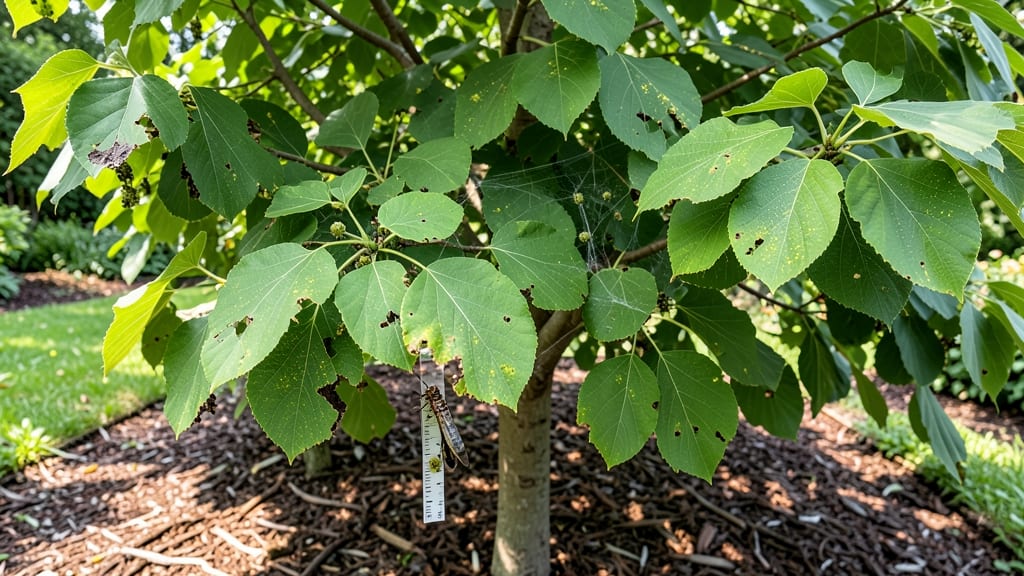
Linden tree pests like aphids, borers, and scale can turn your fragrant shade tree into a stressed mess if you ignore them. 🌳 I’ve battled these critters for years, and the key is catching them early before they weaken the tree’s defenses—because once they’re deep in the bark or sap, it’s a much harder fight.
The worst offenders (like spider mites and linden borers) leave telltale signs: sticky sap on leaves, sawdust-like frass under the bark, or leaves curling up like they’re trying to hide. Most people wait too long, and by then, the tree is already struggling to produce those signature honey-scented blooms.
The good news? Natural controls work just as well as chemicals if you act fast. You’ll learn how to spot these pests before they cause real damage, plus simple organic sprays (neem oil, insecticidal soap) that actually work.
Pruning out infested branches early can save the whole tree—trust me, I’ve seen both the before and after. The goal here is keeping your linden healthy, lush, and thriving for decades.
Here’s the thing—most pests show up when the tree is already stressed, so we’ll cover how to strengthen its defenses first. Healthy soil, proper watering, and even the right companion plants can make your linden less appealing to invaders.
Think of it like giving your tree a security system: the stronger the foundation, the harder it is for pests to break in. Once you know what to look for (and when), controlling them becomes straightforward. No more guessing whether those tiny black dots are harmless or a full-blown infestation.
By the end, you’ll recognize the early warning signs and have a go-to plan for each type of pest—no chemicals required.
Regional differences matter, too. Linden trees in the South face different pests than those in the Northeast, and drought conditions can make them more vulnerable. We’ll touch on those nuances so you can adapt the solutions to your climate.
The bottom line? A little prevention now means you won’t be scrambling to save your tree later.
Root Causes Behind Linden Tree Pests
Linden trees (Tilia spp.) are prized for their fragrant blooms and lush foliage, but they’re also a magnet for pests—whether it’s voracious insects, fungal hitchhikers, or opportunistic critters. Understanding why these problems arise is the first step to preventing them.
Below, we break down the key triggers that turn your linden tree into a pest buffet, backed by science and actionable insights.
A healthy linden tree has natural defenses—thick bark, sticky leaf sap, and even chemical deterrents—but when these weaken, pests move in like uninvited guests at a dinner party. Here’s what strips away that armor:
- 🌡️ Environmental Stress - Drought or Overwatering: Linden trees thrive in moist but well-drained soil.
Too little water causes roots to shrink, reducing nutrient uptake, while excess water suffocates roots, making the tree vulnerable. Stressed trees produce less resin, a natural pest repellent. - Extreme Temperatures: Heatwaves or late frosts disrupt the tree’s metabolic processes, slowing growth and weakening leaves—an open invitation for aphids, scale insects, or spider mites. - Poor Soil Conditions: Compacted, nutrient-poor, or alkaline soil (pH >7.0) locks out essential minerals like nitrogen and potassium. Result? Yellowing leaves (chlorosis) and stunted growth, which attract pests like the linden leaf miner (Phyllonorycter spp.).
- 🍄 Nutritional Deficiencies - Magnesium or Iron Shortages: These minerals are critical for chlorophyll production.
A deficiency (seen as yellowing between leaf veins) makes leaves less tough, making them easier targets for chewing insects like linden borers or Japanese beetles. - Pro Tip: Test your soil every 2–3 years.
Linden trees often need lime (for acidic soil) or chelated iron to boost defenses naturally.
- 💀 Physical Damage
- Broken Branches or Bark: Wounds from storms, lawnmowers, or improper pruning create entry points for bark beetles or fungal infections like anthracnose. Even sun scorch (white/brown patches on bark) can attract pests.
Pests don’t just appear—they’re drawn to linden trees by three key factors:
- 🌿 Overcrowded or Young Trees - Mature linden trees have thicker bark and stronger chemical defenses, but young saplings or clusters of trees are prime targets. Why? Less competition = more vulnerable. - Example: Japanese beetles prefer young, tender leaves over mature ones.
A lone linden tree in a lawn is like a neon sign for them.
- 🌍 Climate and Migration Patterns - Warming Trends: Species like the elm leaf beetle (which also attacks lindens) are expanding northward as winters grow milder. Warmer springs = earlier hatching = more generations per year. - Urban Heat Islands: Cities with concrete and pavement create microclimates that speed up pest life cycles.
If your linden is near a parking lot, expect earlier infestations.
- 🍯 Honeydew and Secondary Invaders - Some pests (like aphids) excrete honeydew, a sticky sugar-rich waste.
This attracts: - Sooty mold fungi (which blacken leaves, reducing photosynthesis). - Ants (which "farm" aphids for honeydew). - Result? A vicious cycle where the original pest problem spirals into a full-blown ecological mess.
Believe it or not, your actions might be unknowingly inviting pests. Here’s how:
- ✂️ Improper Pruning
- Timing Matters: Pruning in late summer or early fall (when pests are most active) can spread fungal spores or insect eggs on fresh cuts.
- Tool Hygiene: Using the same shears on infected trees (e.g., oaks with borers) can transfer pests to your linden.
- 🌱 Poor Mulching Practices - Thick, Wet Mulch: A mulch pile taller than 3–4 inches traps moisture, creating a fungal paradise (like Botrytis or Armillaria root rot).
Pests like sap-sucking insects thrive in damp, decaying wood. - Wrong Materials: Using untreated wood chips from pest-infested trees (e.g., walnut or cherry) can introduce borers or nematodes to your linden’s roots.
- 🚫 Ignoring Early Signs
- Delaying Action: Spotting skeletonized leaves (from caterpillars) or sticky residue (honeydew) and doing nothing lets pests reproduce unchecked. A few aphids can become thousands in weeks.
💡 Key Takeaway: Linden tree pests don’t strike randomly—they’re drawn to weakness, opportunity, or poor stewardship. The good news? Fixing these root causes (hydration, soil health, pruning habits) can dramatically reduce pest problems before they start.
Stay tuned for our next section on natural, chemical-free solutions to keep your tree thriving!
How to Fix Linden Tree Pests
When pests invade your linden tree, swift and strategic action can restore its health. Below are tailored solutions for common culprits—from leaf-eating insects to sap-sucking pests—along with proactive steps to keep your tree thriving. 🌳🛡️
These metallic-green invaders skeletonize leaves overnight. Act fast with these steps:
🔥 Immediate Control
- Handpick beetles (drop them into soapy water) during peak feeding hours (early morning or late afternoon).
- Apply neem oil (mix 2 tbsp per gallon of water) to leaves to deter feeding. Reapply after rain.
- Use pheromone traps (place 10+ feet from your tree to avoid attracting more beetles).
🌡️ Long-Term Prevention
- Encourage natural predators: Ladybugs and birds feast on Japanese beetle larvae (grubs). Plant marigolds or yarrow nearby.
- Reduce attractants: Mow lawns regularly and remove thatch to discourage beetle larvae from overwintering.
- Pro tip: 💡 Mulch with wood chips—beetles avoid these areas, creating a protective barrier.
These larvae tunnel beneath the bark, weakening structural integrity. Early detection is key!
👨🍳 Mechanical Removal
- Prune infested branches (sterilize tools with rubbing alcohol between cuts). Look for D-shaped exit holes or sawdust-like frass.
- Scrape larvae from bark with a putty knife (wear gloves!). Dispose of them in sealed bags.
- Seal wounds with pruning sealant to prevent secondary infections.
🔪 Chemical-Free Treatment
- Apply horticultural oil (dormant season) to smother eggs/larvae. Reapply after heavy rain.
- Invite woodpeckers: These birds naturally hunt borers. Install a birdhouse or leave snags in your yard.
- Pro tip: ✨ Plant companion trees like walnut or hickory nearby—borers avoid these species.
These microscopic pests suck sap, causing stippled leaves and webbing. Combat them with these methods:
💦 Water-Based Solutions
- Spray leaves daily with water (mites hate humidity). Use a hose on a mist setting for 10+ seconds per side.
- Apply insecticidal soap (1.5 tbsp per gallon of water). Test on a small leaf first—some linden varieties are sensitive.
- Install a fan nearby to create airflow (mites thrive in still, dry air).
🌿 Natural Predators & Barriers
- Release predatory mites (like Phytoseiulus persimilis) for biological control.
- Cover young trees with lightweight row fabric until pests decline (remove during pollination).
- Pro tip: 🎯 Neem oil + dish soap combo (1 tsp neem + ½ tsp soap per gallon) works faster than either alone.
Pests like aphids spread fungal spores. Break the cycle with these steps:
🍳 Fungicide Alternatives
- Baking soda spray: Mix 1 tbsp baking soda + 1 tsp oil + 1 gallon water. Spray undersides of leaves weekly.
- Copper fungicide (organic option): Follow label rates for powdery mildew.
- Remove infected leaves and dispose of them in the trash (don’t compost).
🌡️ Cultural Fixes
- Improve airflow: Thin dense foliage to reduce humidity (fungi love damp conditions).
- Water at the base (avoid overhead sprinkling, which spreads spores).
- Pro tip: 🔥 Plant resistant varieties like Tilia americana (American linden) if fungal issues persist.
Stop pests before they start with these year-round strategies:
- Inspect regularly: Check for early signs (holes, webbing, frass) every 2 weeks during growing season.
- Mulch properly: Use 2–4 inches of organic mulch (keep it 6 inches from the trunk to deter pests).
- Avoid over-fertilizing: Lush growth attracts pests. Use slow-release, balanced fertilizer.
- Support pollinators: Bees and wasps control pests naturally. Plant native flowers nearby.
- Prune in late winter: Remove deadwood when pests are dormant.
With consistent care, your linden tree can bounce back—and even thrive—without harsh chemicals. 🌿💚 Start with one solution, monitor progress, and adjust as needed!
Frequently asked questions about linden tree pests
What are the most common signs of a linden tree pest infestation?
Look for sticky residue (honeydew) on leaves, yellowing or curled leaves, tiny black or brown dots (aphids/scale), or sawdust-like frass near the bark. Japanese beetles leave skeletonized leaves, while spider mites create fine webbing. Check both leaf undersides and bark crevices.
Can I use neem oil on all types of linden tree pests?
Neem oil works well against aphids, scale, and spider mites, but it’s less effective for borers or Japanese beetles. For borers, focus on horticultural oil in dormant season, while beetles need handpicking + pheromone traps. Always test neem on a small leaf first—some linden varieties are sensitive.
How often should I inspect my linden tree for pests?
Check your tree every 2 weeks during growing season (spring-fall), and monthly in winter. Focus on new growth, leaf undersides, and bark crevices. Early detection is key—some pests (like borers) cause irreversible damage if left unchecked for months. Use a magnifying glass for tiny infestations.
Will pruning help control linden tree pests?
Yes! Prune infested branches immediately (sterilize tools between cuts) and remove dead/diseased wood in late winter. Thin dense foliage to improve airflow (reduces humidity that attracts pests). Avoid pruning in late summer/fall—this can spread fungal spores or insect eggs.
When should I call a professional for linden tree pest control?
Seek help if you see large borer holes, widespread leaf drop, or if pests return after multiple treatments. Heavy infestations (like Japanese beetles) may require systemic insecticides or professional-grade sprays. Also consult an arborist if your tree shows signs of structural weakness from pest damage.